What defines the Dolomites National Park Guide?
This Dolomites National Park Guide provides a comprehensive overview of the essential landmarks and practical travel details for exploring the Italian Alps. It serves travelers seeking to navigate the rugged terrain, understand the geological significance of the peaks, and plan an itinerary centered on the region's unique natural features.
* Focus on iconic limestone peaks and high-altitude landscapes. * Identify key landmarks within the Dolomites mountain range. * Prepare for varying alpine weather conditions and terrain.
What should I expect from a Dolomites National Park guide?
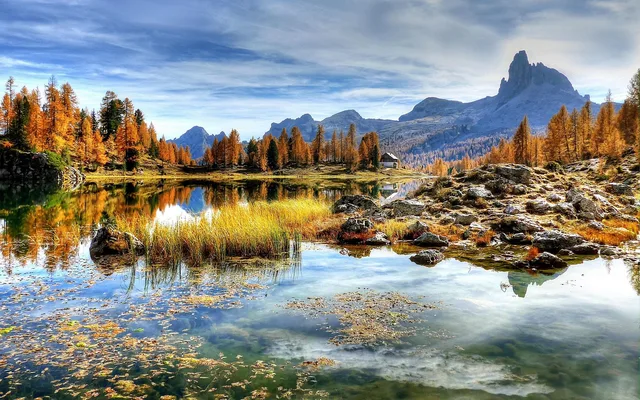
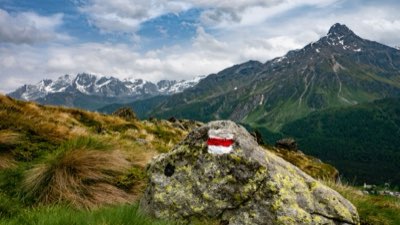
At dawn, I stand upon the jagged ridge and feel the biting wind, realizing how the pale limestone defines the view. A traveler stands on a jagged ridge, feeling the cool alpine wind brush against their face while looking out over vast, pale stone towers.
Visitors should prioritize seeing the primary massifs and understanding the trail networks that connect the valleys.
While the scenery is vast, it is important to note that specific accessibility can be limited by seasonal weather changes.
How do I plan my Italian Alps highlights?
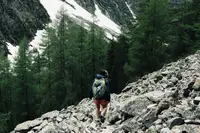
A hiker adjusts their heavy backpack, stepping onto a narrow trail that winds through a field of wildflowers toward a distant peak. To experience the Italian Alps highlights, one must select specific mountain groups that offer the most iconic views.
The region is divided into several distinct areas, each offering different levels of elevation and technical difficulty for those walking the paths.
Planning involves selecting a base location, such as a valley town, to minimize travel time between different summits. It is helpful to research the specific geological features of the area to better appreciate the landscape.
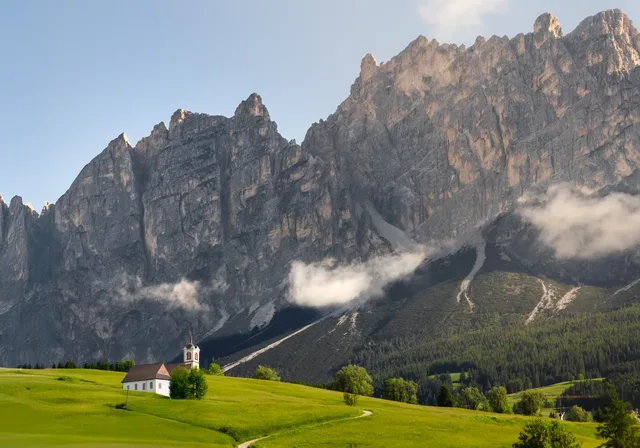
Travelers should also consider the logistics of mountain transport to reach higher elevations efficiently.
What are the best tips for traveling to the Dolomites?
A visitor checks their local map near a mountain refuge, ensuring they have enough water for the afternoon climb. Effective Dolomites travel tips center on preparation for the unpredictable mountain climate and the ruggedness of the terrain.
Because the environment is high-altitude, physical readiness and proper gear are essential for a safe trip.
Preparation should include checking daily weather forecasts and carrying layered clothing. It is also wise to carry sufficient nutrition and water, as mountain services can be spaced far apart.
Navigating the trails requires attention to detail, especially when moving between different elevation zones.
How to Visit National Park areas effectively?
A group of hikers gathers at a trailhead, checking their boots and hydration packs before starting the ascent. To Visit National Park areas effectively, visitors must respect the natural boundaries and follow established paths to protect the fragile ecosystem.
This ensures that the stunning nature sights remain preserved for future generations.
Following these steps can improve the experience: 1. Register or check local regulations for specific trail access. 2. Stay on marked paths to avoid erosion and damage to local flora. 3. Carry all waste out of the park to maintain cleanliness.
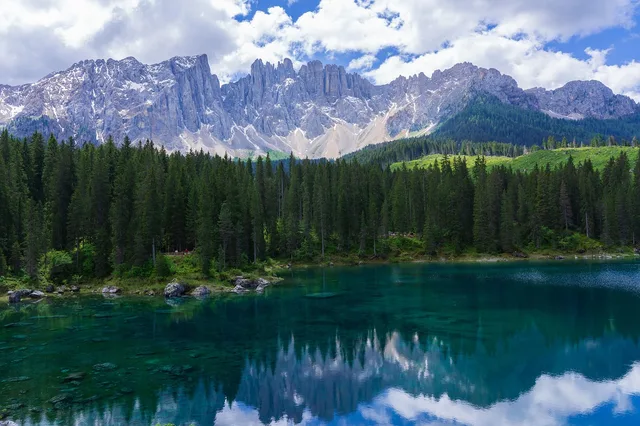
After completing these steps, a final check of your equipment and the current weather conditions is necessary before heading deeper into the backcountry.
Where can I find stunning nature sights?
A photographer waits patiently as the sun begins to dip below the horizon, casting a pink glow over the massive stone walls. Finding stunning nature sights requires timing your visits to coincide with specific lighting conditions, such as the "enrosadira" phenomenon.
This natural light display transforms the pale rock into shades of orange and pink.
The most famous views are often found near the major peaks and high-altitude lakes. Mapping out these locations in advance allows for a more structured sightseeing itinerary. Exploring these sights often involves significant walking, so choosing trails that match your ability is key.
What is the best time to see Dolomites?
A traveler looks out the window of a mountain cabin, watching the first light of morning hit the snow-capped summits. Determining the best time to see Dolomites depends on whether you prefer summer hiking or winter sports.
The transition between seasons can significantly alter the accessibility of certain trails and mountain passes.
Summer offers the most reliable weather for trekking, while winter transforms the landscape into a playground for skiers.
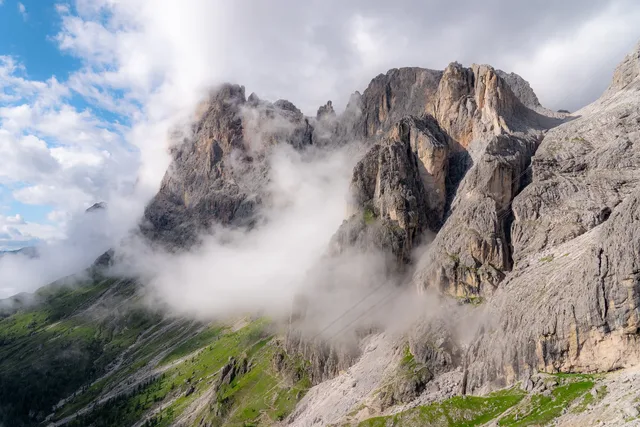
Regardless of the season, the high-altitude environment remains the primary factor in trip planning.
- This Dolomites National Park Guide focuses on the unique geological character of the Italian Dolomites, specifically the dramatic limestone formations that define the landscape.
- Exploring this region requires an understanding of the high-altitude environment and the specific landmarks that make the area a destination for mountain enthusiasts.
- The Dolomites are characterized by their distinct verticality and the way the rock changes color during sunset.
How does the National Park structure influence visitor movement?
- The National Park boundaries dictate where visitors can safely explore the terrain. 2. Respecting these established paths helps safeguard the delicate ecosystem within the Dolomites. 3. Visitors must understand that the terrain's ruggedness necessitates adherence to marked trails.
The National Park framework ensures that the unique geological features of the Dolomites receive proper protection from overuse. Following the designated routes is a condition for responsible exploration of the region.
This structure helps manage the flow of travelers across the high-altitude landscapes.
What precautions should be taken regarding the mountain climate?
- Always consult the daily weather forecasts before embarking on any ascent. 2. Layered clothing provides necessary protection against the unpredictable alpine weather conditions. 3. Carrying adequate water and nutrition is a caution due to the spacing of mountain services.
The high-altitude environment presents specific challenges that demand careful preparation for any trip to the Dolomites. Comparing summer trekking to winter activities shows how the climate alters accessibility.
Physical readiness is a prerequisite for navigating the varied conditions of the Italian Alps.
The Dolomites National Park demands that travelers compare their planned activity against the current environmental state. A thorough understanding of the conditions prevents exposure to adverse weather that can occur rapidly in the peaks.
This caution applies across all seasons of travel in the Dolomites.
Glacier and Perennial Snowfield Research in Rocky Mountain National Park - National Park Service (.gov) Based on the retained excerpt mentioning National Park Service: News (National Park Service (.gov), Mon, 28 Aug 2023): Glacier and Perennial Snowfield Research in Rocky Mountain National Park - National Park Service (.gov).

Comments 0