8-Day Alps Travel: Choosing the Right Swiss Rail Pass
"Don't let a premium rail pass become a premium paperweight."
If you are staring at a checkout screen for a Swiss Travel Pass, you aren't just buying a ticket; you are making a high-stakes bet on your own itinerary. To win this bet, you must calculate your specific routes against the pass price before you tap "purchase."
* The Swiss Travel Pass is only cost-effective if your travel volume matches its high upfront price. * Compare the Pass vs. Point-to-Point Tickets vs. * Factor in high operational costs (e.g., high-altitude excursions, dining) when making the final decision.
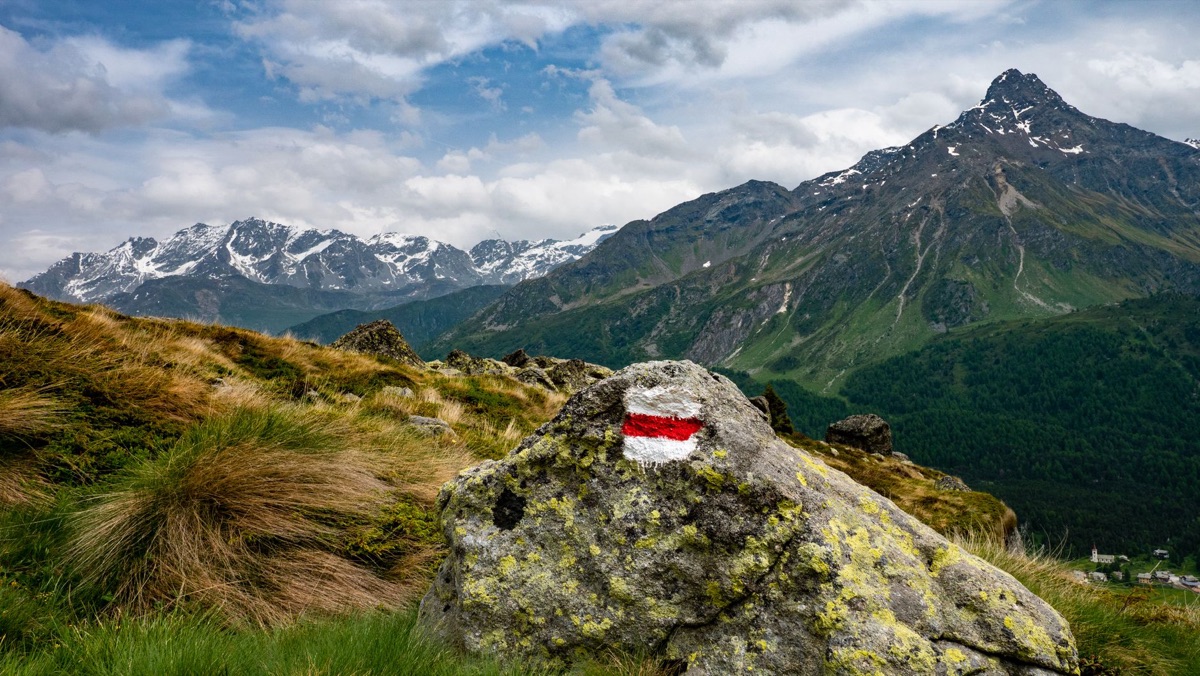
Is the Swiss Travel Pass right for my trip? I stood on the platform at Interlaken Ost in the late afternoon of 2025, watching a sleek red train pull in, wondering if I had overspent on my own transit pass. The wind felt sharp against my face as I clutched my printed itinerary.
According to World Bank data, Switzerland recorded inflation (consumer prices) of 0.2% in 2025.
The sheer scale of the Swiss rail network is intimidating, especially when you realize the Alps cover 60% of Switzerland's total 41,285 square kilometers of surface area.
The "break-even" point is the most critical calculation you will perform. If you are staying in a single hub like Lucerne for three days, a full-price Swiss Travel Pass is almost certainly a waste of money.
You would likely spend more on the pass than you would on individual point-to-point tickets or a Half-Fare Card.
The math changes when you transition from a short visit to deep immersion. For a 1–3 day trip, individual tickets are usually cheaper. For a 7+ day journey involving constant movement between cities like Zurich, Zermatt, and St.
Moritz, the pass begins to look more attractive due to the convenience of hopping on any train without a reservation.
However, you must distinguish between "travel" and "excursions." A Swiss Travel Pass covers much of the base rail network, but it does not cover everything. High-cost activities, such as the steep ascent to Jungfraujoch, often require a supplemental discount rather than full coverage.
If your itinerary is mostly local wandering, you are essentially paying for a luxury you aren't using. But what happens when you start climbing?
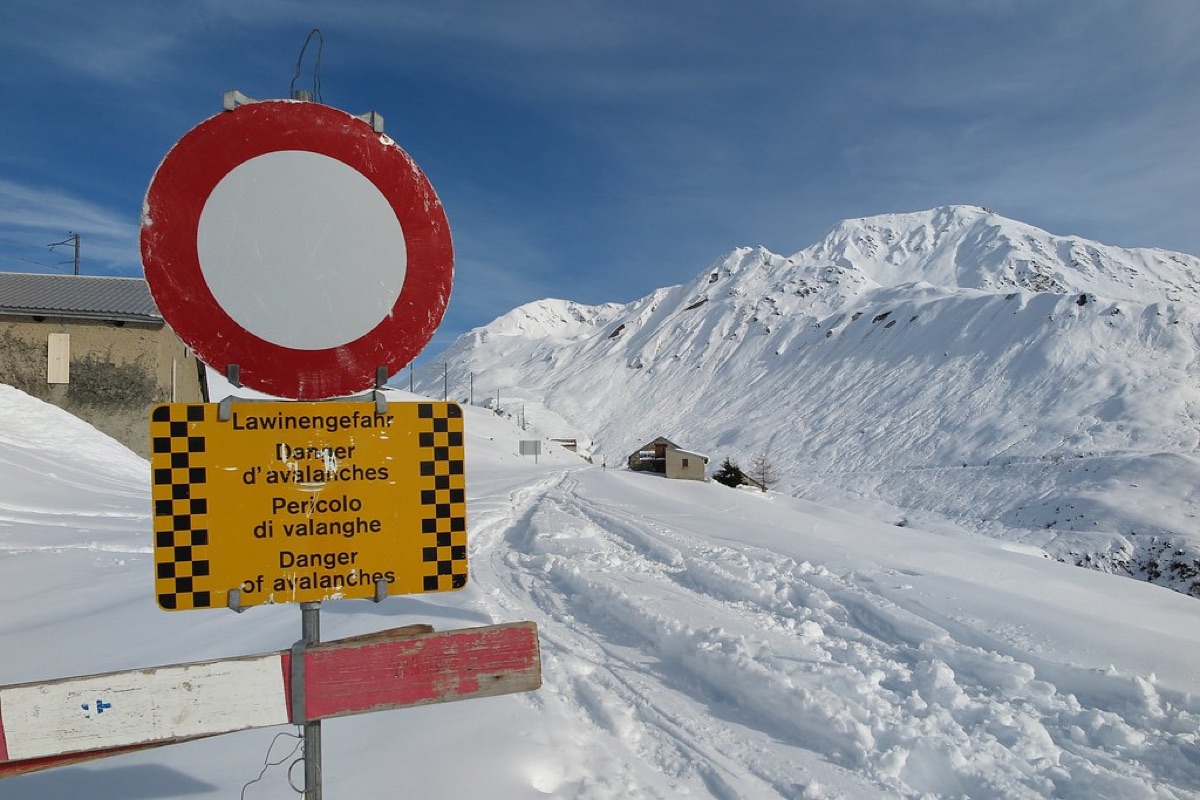
Which Alpine experience is right for me? The blinding morning sun hit the snowy peaks as I held a warm cup of coffee and gazed at the steep mountain tracks.
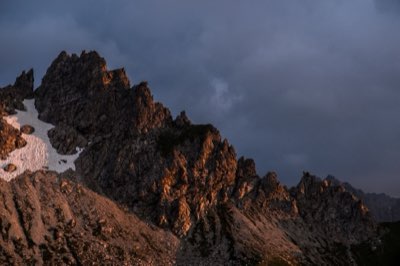
The morning sun hit the snow-capped peaks of the Eiger in 2026, turning the white slopes into a blinding gold. I stood there with a coffee in hand, looking at the steep tracks and realizing how much a single ride could cost.
When deciding where to focus your travel budget, you must compare the "investment" of each region. For example, the Jungfraujoch offers a high-altitude "Top of Europe" experience that is significantly more expensive than a standard train ride.
In contrast, the Gornergrat near Zermatt offers a different kind of scale, focusing on the iconic Matterhorn.
The sheer size of the Swiss Alps makes these comparisons vital. While Switzerland covers only 14% of the total 192,753 square kilometers of the entire Alpine range, it holds 48 of the 82 alpine four-thousanders.
This density of high-altitude peaks means you are never far from a massive climb, but it also means transport costs can fluctuate wildly depending on which valley you inhabit.
To put the scale in perspective, consider the infrastructure required to navigate this terrain.
Engineering feats like the 57.1 km Gotthard Base Tunnel allow for rapid transit through the heart of the mountains, but even with such advanced tech, you are still moving through a landscape that is rugged and expensive to maintain.
| Feature | Swiss Travel Pass | Half-Fare Card | Point-to-Point |
|---|---|---|---|
| Best For | Frequent, multi-day travelers | Mixed-mode/High-altitude focus | Short, single-route trips |
| Convenance | Extremely High (No tickets needed) | Moderate (Requires buying tickets) | Low (Must buy every time) |
| Cost Structure | High Upfront | Low Upfront + 50% off tickets | Variable/Low Upfront |
| Flexibility | Total freedom | High | Low |
But even with a pass in hand, there is a hidden layer of spending that most travelers fail to prepare for.
Beyond the Pass: Optimizing Your Journey Costs
I remember sitting in a small cafe in Lauterbrunnen in late 2025, looking at a menu where a simple cheese plate cost as much as a hearty meal elsewhere. It was a reminder that the "pass" is only one part of the budget; the local cost of living is the other.
The Swiss Half-Fare Card is often the "secret weapon" for savvy travelers. It is a card that gives you a 50% discount on almost all Swiss rail, bus, and boat travel for a year.
If you are doing a mix of long-distance travel and expensive mountain excursions, the Half-Fare Card often results in a lower total spend than the Swiss Travel Pass. It is the logical choice for those who want to maximize their budget while still accessing the high-altitude peaks.
When planning, you must also account for "high-altitude survival" costs. Dining in mountain huts or at high-altitude stations is significantly more expensive than in the valley cities. You should budget for these premium meals separately from your transit costs.
Local culture also plays a role in your spending. In regions known for Alpine herding and traditional cheese production, you might find that local markets offer better value than mountain-top restaurants.
Integrating local food experiences—like buying high-quality cheese from a local dairy—can help balance your budget without sacrificing the authentic Alpine experience. However, setting a plan in motion is harder than it looks.
Planning Your Alpine Adventure: A Step-by-Step Checklist
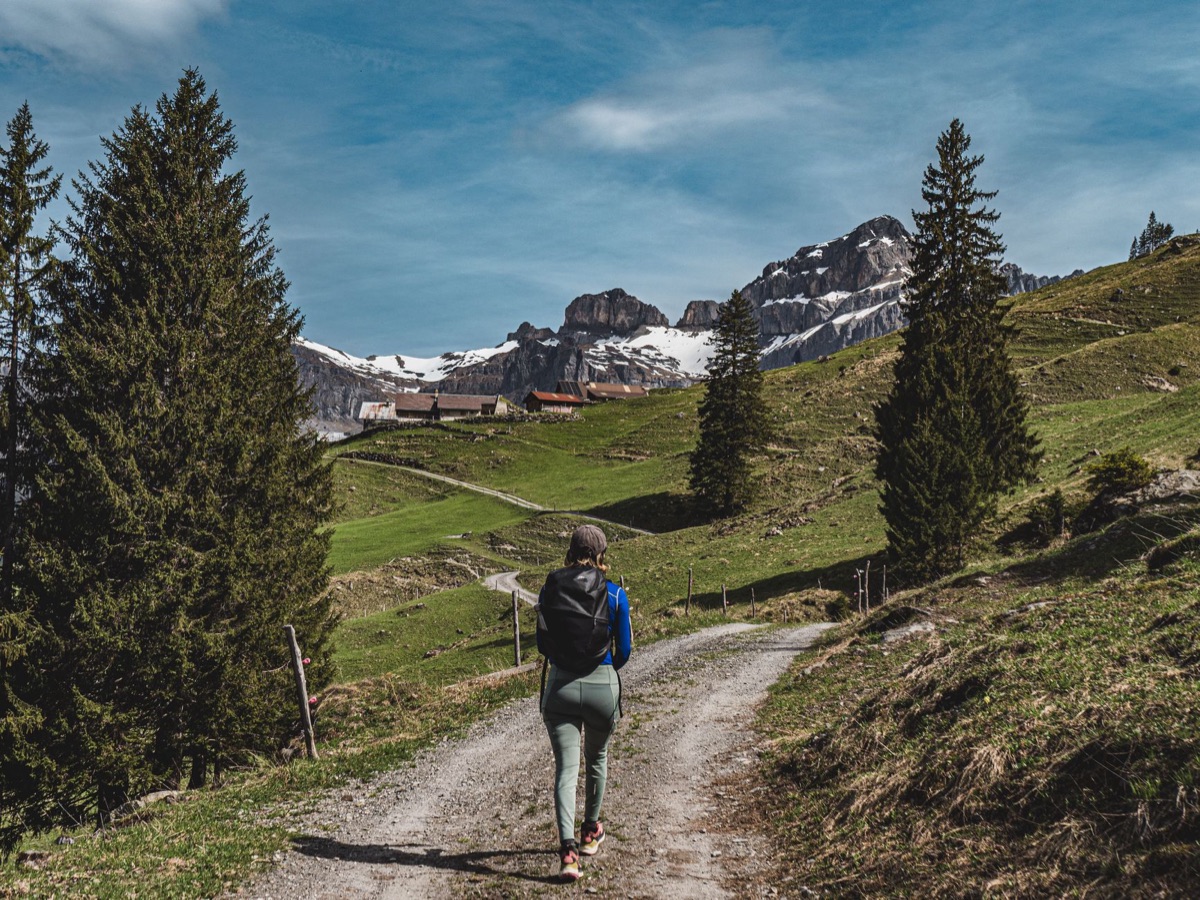
The wind whipped through my jacket as I stood at the edge of a hiking trail in 2026, checking my map one last time. Planning an Alpine trip requires more than just buying a ticket; it requires a tactical approach to geography and weather.
- Define Your Travel Goal: Decide if you are doing a "Deep Dive" (staying in one or two regions) or a "Taste" (moving through many cities). A "Deep Dive" favors the Half-Fare Card; a "Taste" might favor the Swiss Travel Pass.
- Map Your Itinerary Chronologically: Write down every major leg of your journey. Calculate the total cost of those specific tickets versus the price of a 3, 4, or 6-day pass.
- Sequence High-Cost Activities: Place your expensive excursions (like Jungfraujoch) on days when you aren't doing heavy transit to avoid "budget burnout."
- Account for Variable Costs: Always keep a "weather buffer" in your budget. If a storm hits, you might need to take a last-minute train to a different valley or stay an extra night in a hotel.
- Prioritize Safety Protocols: Never plan a hike without checking the local mountain weather forecast. High-altitude weather changes in minutes. Ensure you have proper layers and acclimatization time.
Comments 0