Jungfrau vs Matterhorn: Choosing Your Alpine Adventure Base
"The mountains don't care about your itinerary, but your itinerary definitely cares about the mountains."
Deciding between the Jungfrau region and the Matterhorn is the ultimate dilemma for anyone planning an Alpine adventure in 2026. Do you want the high-tech, glacier-filled majesty of the "Top of Europe," or the rugged, sculptural perfection of a mountaineer's dream?
* Choose Jungfraujoch if: You want effortless access to massive glaciers, high-altitude observatories, and a structured, family-friendly "bucket list" experience. * Choose Matterhorn if: You crave dramatic, singular mountain silhouettes, rugged hiking, and the charming, car-free atmosphere of a mountain village. * The Deciding Factor: It comes down to your preferred vibe—structured glacial exploration versus raw, iconic peak photography.
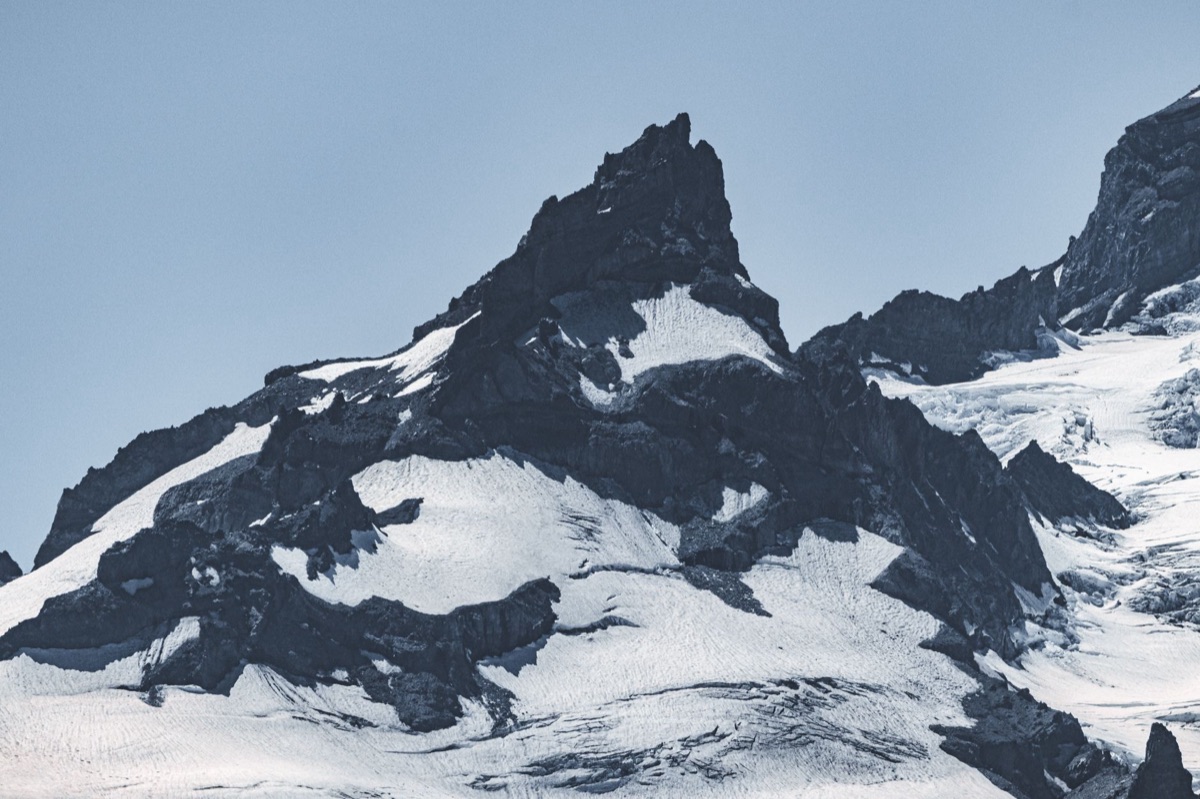
Will I see a glacial plateau or a sculptural icon? I remember standing at the Kleine Scheidegg station at 9:30 AM, the smell of pine and cold mountain air hitting me as the cogwheel train hummed in the background. It felt like stepping into a living postcard, where the sheer scale of the Eiger, Mönch, and Jungfrau peaks loomed over the valley.
Jungfraujoch is defined by its accessibility and its massive ice. It is a high-altitude plateau where you aren't just looking at the mountains; you are standing in the middle of a glacial empire.
The infrastructure is world-class, designed to whisk you to the Sphinx Observatory so you can walk among the ice without needing professional climbing gear. It is an engineered marvel of the Alps.
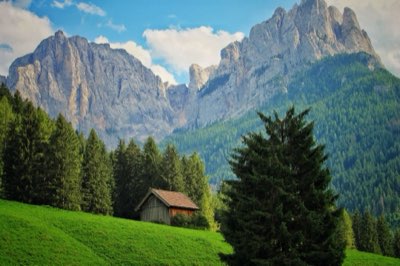
In contrast, the Matterhorn is a different beast entirely. It is a singular, jagged tooth of rock that pierces the sky, famous for its near-perfect pyramidal shape. While Jungfraujoch is about the vastness of the ice, the Matterhorn is about the sheer, terrifying beauty of a single peak.
In Zermatt, the base town, the mountain dominates every single sightline, creating a sense of verticality that is unmatched anywhere else in Europe.
The cultural vibes differ too.
Zermatt, the gateway to the Matterhorn, feels more like a concentrated mountain outpost, where the tradition of mountaineering is etched into every stone of the chalets.
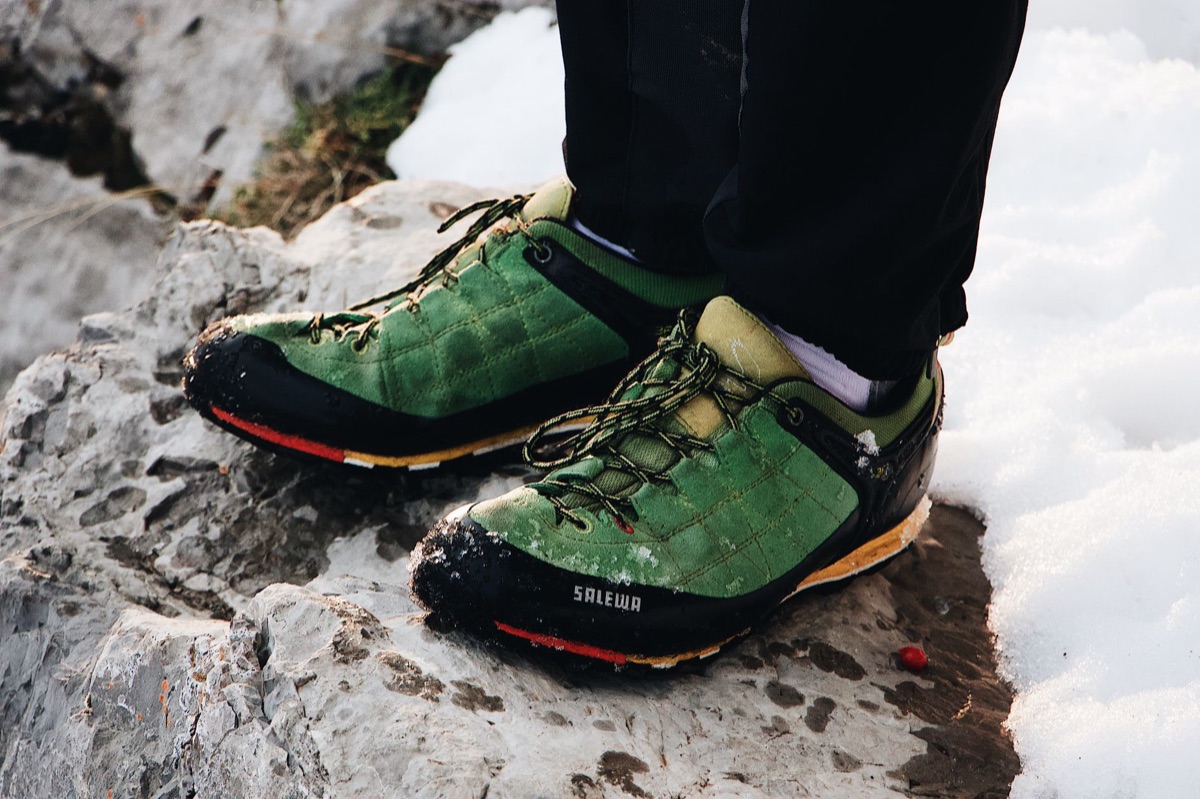
Should I choose high-tech trains or rugged vistas? During the morning ascent, the vibration of the moving train hummed through my seat while the vast, white glacier glided past the window.
I once took the train up to Jungfraujoch at sunrise in the summer of 2025, watching the light hit the Aletsch Glacier through the window. The transition from the green valleys of Lauterbrunnen to the white, frozen world of the Sphinx was seamless and breathtaking.
The journey to Jungfraujoch is an event in itself. The train climbs through tunnels and over sheer cliffs, ending at a station carved directly into the mountain rock.
It is a highly controlled, comfortable ascent that allows you to experience extreme altitude without the physical struggle of a climb. It is perfect for those who want the view without the trek.
Approaching the Matterhorn usually involves the Gornergrat railway or various cable cars from Zermatt. The journey is more about the changing perspectives of the peak.
As you ascend toward Gornergrat, the Matterhorn reveals itself in different lights, growing larger and more intimidating with every meter of elevation. It feels more like a pilgrimage to a monument.
For a single-day trip, Jungfraujoch offers a complete, self-contained itinerary. For an overnight stay, the Zermatt/Matterhorn area offers a more immersive, lingering experience where you can watch the sunrise hit the peak from your balcony.
Investment vs. Experience: Calculating the Cost of the View
I sat in a small cafe in Interlaken once, staring at a price list and wondering if the train ticket was worth the splurge. In the Alps, you aren't just paying for transport; you are paying for access to the sky.
The pricing structures are quite different. Jungfraujoch is a premium, high-cost destination. The tickets are significant, reflecting the massive engineering required to maintain the station. However, you are essentially paying for a multi-sensile museum of ice and geology.
The Matterhorn area offers more variety in pricing. While a trip up the Gornergrat is a major expense, you can also choose various hiking paths or different cable car routes that offer varying levels of cost and intensity.
The "value" in Zermatt often comes from the sheer density of things to see within walking distance of the town.
When deciding, consider your travel pass. If you are using a Swiss Travel Pass or a Half-Fare Card, the discounts can make the Jungfraujoch ascent much more manageable.
In the Zermatt region, these passes are also vital, but you might find yourself spending more on local dining and mountain-side meals in the valley.
| Feature | Jungfraujoch | Matterhorn (Zermatt) |
|---|---|---|
| Primary Vibe | Glacial & High-Tech | Iconic & Rugging |
| Accessibility | High (Train-centric) | Moderate (Train & Hike) |
| Best For | Families & Glacier Lovers | Photographers & Hikters |
| Atmosphere | Expansive & Open | Dramatic & Vertical |
Beyond the Summit: Activities and Nearby Adventures
If you choose the Jungfrau region, you aren't just limited to the train station.
The area is perfect for easy-to-moderate walks through flower-filled meadows that feel like they belong in a fairy tale.
The Matterhorn ecosystem is built for the active traveler. Beyond the Gornergrat, you have the incredible hiking trails around the Riffelsee, where you can capture the famous reflection of the peak in the alpine lakes.
For those who want more intensity, the trails around Zermatt offer more challenging climbs and more rugged terrain.
If you have extra time, the Jungfrau region is a great base for exploring the Bernese Oberland, while Zermatt serves as a perfect gateway to the Valais canton and the more remote, high-alpine reaches of the Pennine Alps.
How to Plan Your Alpine Arrival
To make the most of your trip, you need a clear plan of action. Whether you are arriving by train from Zurich or driving through the mountain passes, follow these steps to ensure a smooth transition to high altitude.
According to World Bank, Switzerland recorded international tourist arrivals of 11,818,000 in 2019.
- Check your altitude tolerance: If you are sensitive to altitude, prioritize the Jungfraujock route as it is more controlled, but allow one full day of acclimatization in a lower valley like Lauterbrunnen first.
- Secure your passes in advance: In 2026, digital passes are the standard. Download your Swiss Travel Pass to your phone and verify your seat reservations for the Jungfrau railway at least two weeks before arrival.
- Layer your wardrobe: Do not rely on a single heavy coat. Pack a base layer, a mid-layer fleece, and a waterproof outer shell. Temperatures can drop by 15 degrees Celsius during a single train ascent.
- Time your photography: For the Matterhorn, aim to be at Gornergrat by 7:00 AM to catch the sunrise. For Jungfraujoch, aim for mid-morning to avoid the heaviest crowds while still having clear visibility.
- Verify local weather apps: Download a specific mountain weather app like MeteoSwiss. Do not rely on general forecasts, as valley weather and peak weather are often completely different.
Comments 0