Alps Hiking: Match Fitness to Trail Difficulty & Time Needed
"I thought I was in great shape until I hit the first switchback at 2,500 meters."
Choosing the right trail in the Alps isn't just about how many miles you can walk; it is about the brutal reality of vertical gain and the thinness of the air.
If you miscalculate the difference between a scenic stroll and a technical ascent, you risk exhaustion that could ruin the rest of your European vacation.
Key Takeaways
* Difficulty is Vertical, Not Horizontal: A five-mile hike with 1,500 meters of elevation gain is vastly different from a ten-mile flat walk. * Time is Variable: Always add a 30% buffer to your estimated hiking time to account for breaks and unpredictable weather. * Logistics Matter: Use mountain railways to reach high altitudes to save energy for the descent. * Plan for the "Return" Trip: The descent is often harder on the knees and takes longer than the ascent due to fatigue and uneven terrain.
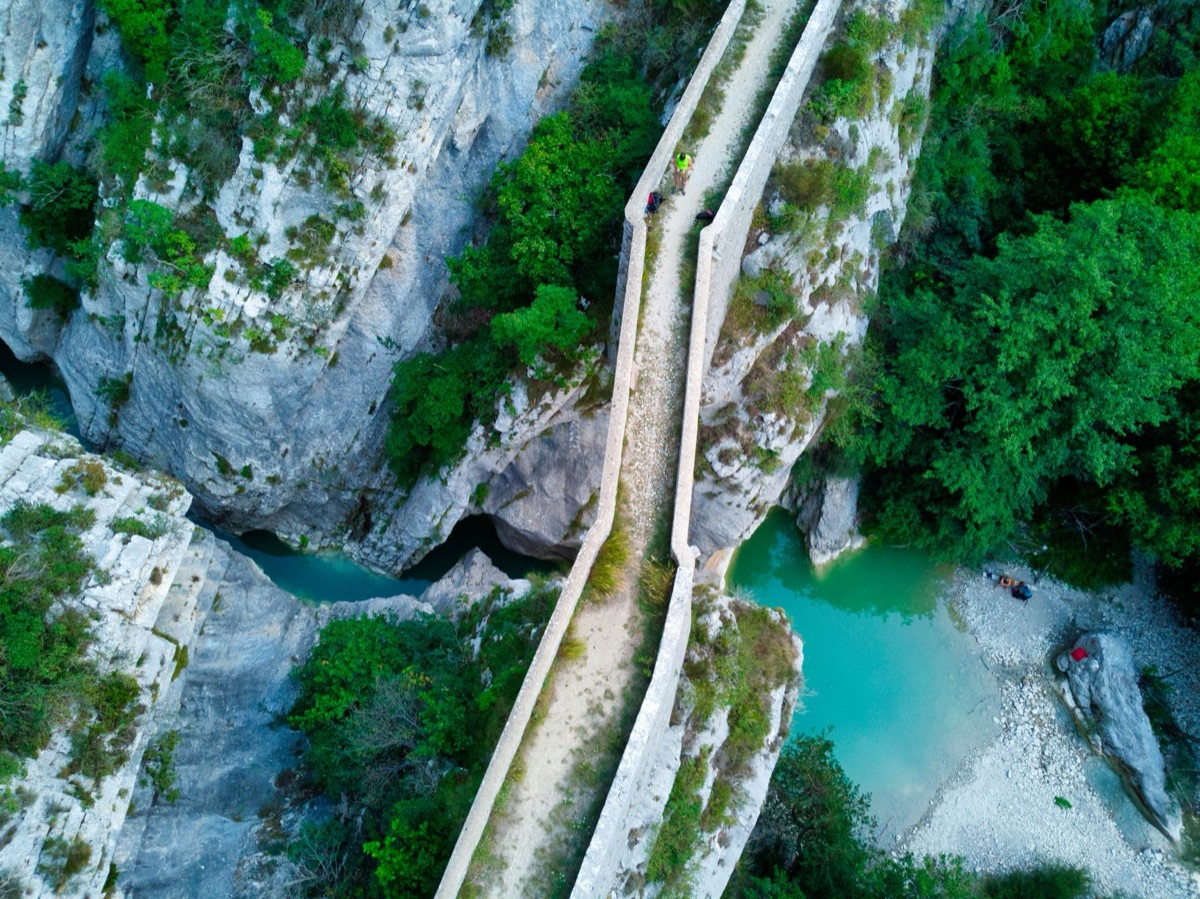
How to Match Your Fitness to the Alpine Trail
The sun hits the peak of the Eiger, casting a long shadow over the valley as you tighten your boot laces. You look at the trail map and see a "moderate" rating, but the contour lines on the paper tell a much steeper story.
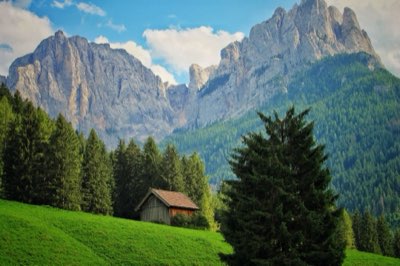
When evaluating a trail, you must distinguish between the subalpine and high alpine zones. Subalpine trails often follow meadows and forest edges, where the terrain is relatively stable and the oxygen levels are comfortable.
High alpine treks, however, move above the tree line into rocky, exposed territory where the footing is unpredictable and the weather can shift in minutes.
A "moderate" hike in the Alps often involves significant elevation changes that a standard trail in the Appalachian Mountains or the Cascades might not prepare you for. If a trail involves "scrambling"—using your hands to assist your climb—it is a different category of difficulty altogether.
Always check if a route is a "hiking path" (marked and clear) or a "mountain trail" (potentially requiring specialized gear and navigation).
To gauge your own readiness, look at the total vertical gain. A common rule of thumb is that every 300 to 400 meters of ascent adds roughly an hour of walking time to a standard pace.
If you are looking at a 1,000-meter climb, you aren't just walking a few miles; you are performing a significant physical feat.
When I first attempted a similar climb in the Bernese Oberland in 2025, I underestimated a 1,200-meter ascent and spent the next two days recovering in a village. You need to know exactly how much climbing you are signing up for.
But the physical climb is only one part of the equation.
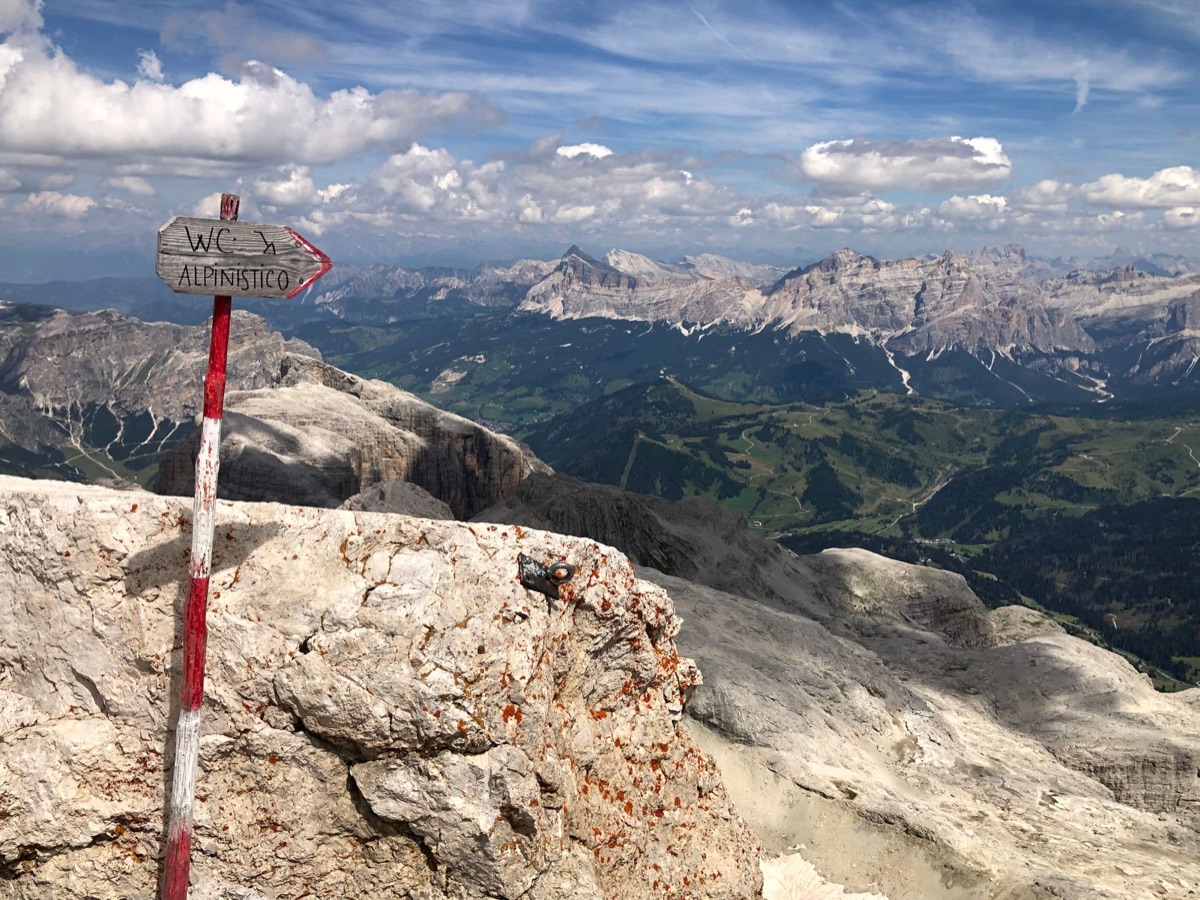
Time Commitment: How Long Does It *Really* Take?
You sit on a wooden bench at a mountain hut, checking your watch and realizing the sun is already dipping toward the western peaks. The trail was supposed to take four hours, but it has already been six.
One of the biggest mistakes travelers make is confusing "trail time" with "travel time." In the Alps, you often combine mountain railways or cable cars with hiking. A common strategy is to take a train to a high-altitude station and hike *down* to the valley.
This saves your energy and provides a scenic, controlled descent. However, you must still account for the time it takes to transit between stations and the time spent on the trail itself.
Acclimatization is the invisible variable in your time budget. If you fly from sea level and immediately attempt a high-altitude trek, your pace will be significantly slower than expected. The body needs time to adjust to lower oxygen levels.
If you find yourself gasping for air, your "one-hour" leg of the journey might take three.
Always plan your hikes to finish at least two hours before sunset. Alpine weather is notorious for afternoon thunderstorms and sudden fog. If your goal is to reach a specific mountain pass, do not aim to arrive exactly at sunset.
Aim to arrive at midday, allowing the afternoon to be a buffer for unexpected delays.
The time you spend on the trail dictates the quality of your entire day.
What is the true value of the alpine experience? The smell of fresh alpine cheese and the sound of a distant cowbell drift through the open window of a mountain chalet. You realize that the grueling climb was worth it the moment you step onto the ridge and see the glacier stretching toward the horizon.
The "Return on Investment" for a difficult hike is often the view. There is a massive difference between the view from a valley floor and the view from a high pass.
While the lower meadows offer beautiful flora and easier access to local culture, the high-altitude ridges provide the iconic, sweeping vistas that define the Alps.
You can choose between cultural immersion and pure sightseeing. Lower-elevation hikes often lead to mountain huts (known as *Hütten* or *Refuges*) where you can experience local traditions, such as eating traditional cheese fondue or drying meats.
Higher treks are often more solitary and focused on the raw, geological beauty of the peaks and glaciers.
Using mountain infrastructure can maximize your time. If you have a limited number of days, using a cable car to reach a high starting point allows you to experience the "high alpine" feeling without the soul-crushing climb.
This leaves you with enough energy to actually enjoy the scenery rather than just staring at your boots.
But how do you manage the logistics and the dangers of the terrain itself?
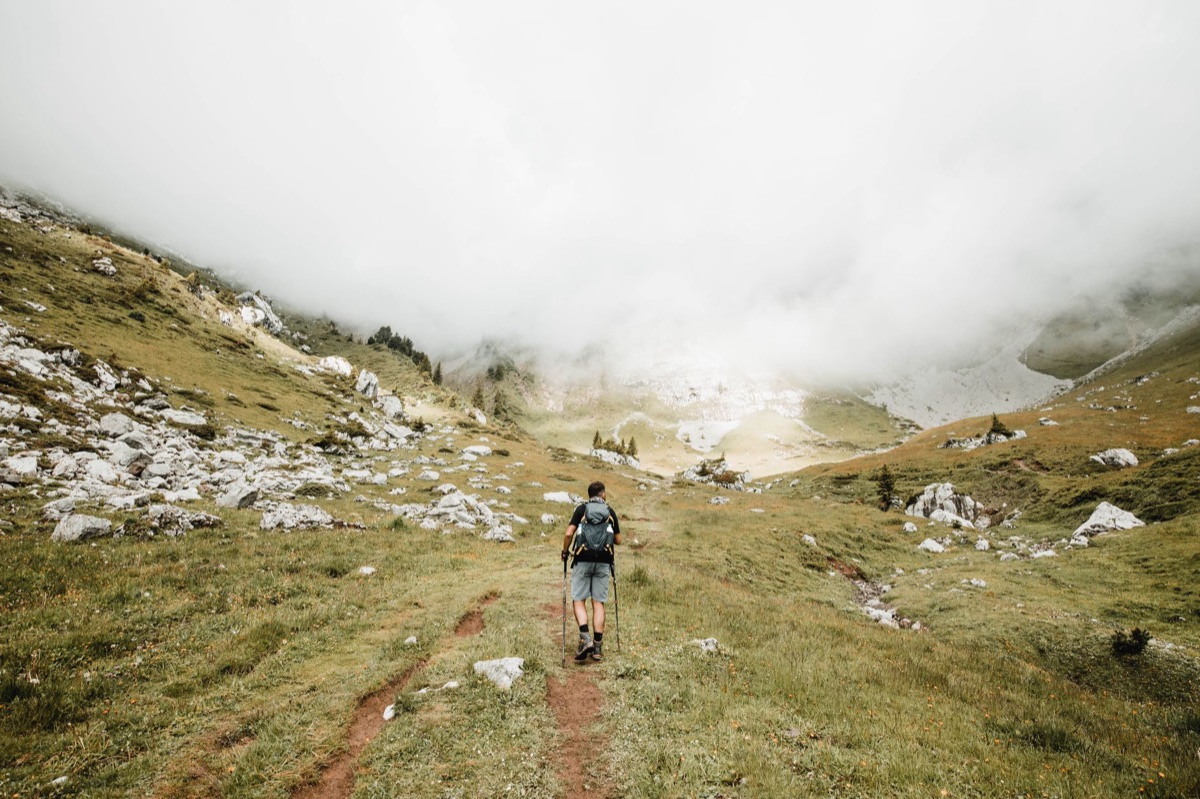
How do I navigate the Alps with local wisdom? The wind picks up, whistling through the rocky crevices as you check your paper map against the GPS on your phone. The trail splits into three different paths, and the signage is in a language you don't quite recognize.
Safety in the Alps requires a blend of local knowledge and self-reliance. High-altitude safety is paramount; never attempt a technical climb without proper training and gear. Even on marked trails, the terrain can be slippery and the weather can turn violent.
Always carry a waterproof shell and extra layers, regardless of how warm it feels in the valley.
Logistically, you should decide between staying in valley towns or mountain huts. Staying in a village like Lauterbrunnen or Zermatt provides luxury and easy access to amenities, while staying in a mountain hut (an *Alm* or *Hütte*) puts you in the heart of the landscape.
If you choose the huts, remember that they often have limited water and electricity, and you should book well in advance.
Regional variations also play a role. The Swiss Alps are famous for their highly organized and punctual transit, making it easier to jump between trails and towns. The Italian Dolomites might offer more rugged and dramatic verticality, requiring more careful navigation and physical preparation.
Always research the specific region's terrain and transit availability before committing to a route.
Understanding the sheer scale of the landscape is the final step in preparation.
The Alpine Ecosystem: Scale and Context
Looking out over the vast expanse of the Swiss Alps, you realize that the territory you are standing on is part of a massive, ancient geological force. The sheer scale of the mountains makes even the most ambitious hikes feel small.
According to World Bank data, Switzerland recorded international tourist arrivals of 11,818,000 in 2019.
To understand the scale of your journey, it helps to look at the geography. The Alps cover 60% of Switzerland's total 41,285 square kilometers of surface area, making it one of the most alpine countries in the world.
This vastness means that the "Alpine" experience is not monolithic; every valley and range offers a different character.
The glaciers are a central part of this landscape. In the Swiss Alps, glaciers cover an area of 1,220 square kilometers, representing 44% of the total glaciated area in the Alps. When you hike near these features, you are walking through a dynamic and changing environment.
Understanding the presence of these glaciers and the altitude they occupy is key to understanding the terrain and the weather patterns you will encounter.
The scale of the range is immense. While Switzerland covers only 14% of the total Alps area, it holds a significant portion of the world's most famous peaks.
This density of high-altitude terrain means that you can encounter world-class hiking and massive glaciers within a very short traveling distance.
Comparison of Hiking Types
| Feature | Subalpine/Valley Hike | High Alpine Trek |
|---|---|---|
| Primary Terrain | Forests, meadows, gravel paths | Rock, scree, snow, steep inclines |
| Difficulty | Low to Moderate | Moderate to Strenuous |
| Typical Duration | 2–4 hours | 5–8+ hours |
| Gear Needed | Walking shoes, light jacket | Sturdy boots, trekking poles, layers |
| Risk Level | Low (mostly weather/trips) | Moderate to High (falls/sudden weather) |
Checklist for a Successful Hike
- Check the Weather: Use local mountain forecast apps (like MeteoSwiss) rather than general weather apps.
- Pack the Essentials: Always carry water, high-calorie snacks, a waterproof layer, and a basic first-aid kit.
- Verify the Route: Confirm the trail difficulty and current conditions (snow cover, etc.) at a local tourist information center.
- Inform Someone: Tell your hotel or a friend your intended route and expected return time.
- Test Your Gear: Never wear brand-new boots on a long alpine trek; ensure they are broken in and waterproof.
#
Comments 0