Alpine Train Routes: Choosing Your Perfect Mountain Journey
"The difference between a life-changing view and a wasted afternoon is often just a single ticket choice."
Choosing an Alpine train route isn't just about looking out a window; it is about deciding whether you want to conquer a peak, traverse a glacier, or simply sit in a moving cafe while the world shifts outside.
If you pick a high-altitude line for a casual stroll, you might find yourself exhausted and over budget; if you pick a transit line for a bucket-list view, you might miss the soul of the mountains.
Key Takeaways * Match Purpose to Route: Decide if the train is your destination (high-altitude sightseeing) or your transport (valley-to-valley transit).
* Calculate Pass Value First: Always weigh the cost of a Swiss Travel Pass or Half Fare Card against your specific itinerary before booking individual tickets. * Prepare for Altitude: High-altitude lines require different physical readiness and gear than lower-elevation scenic routes.
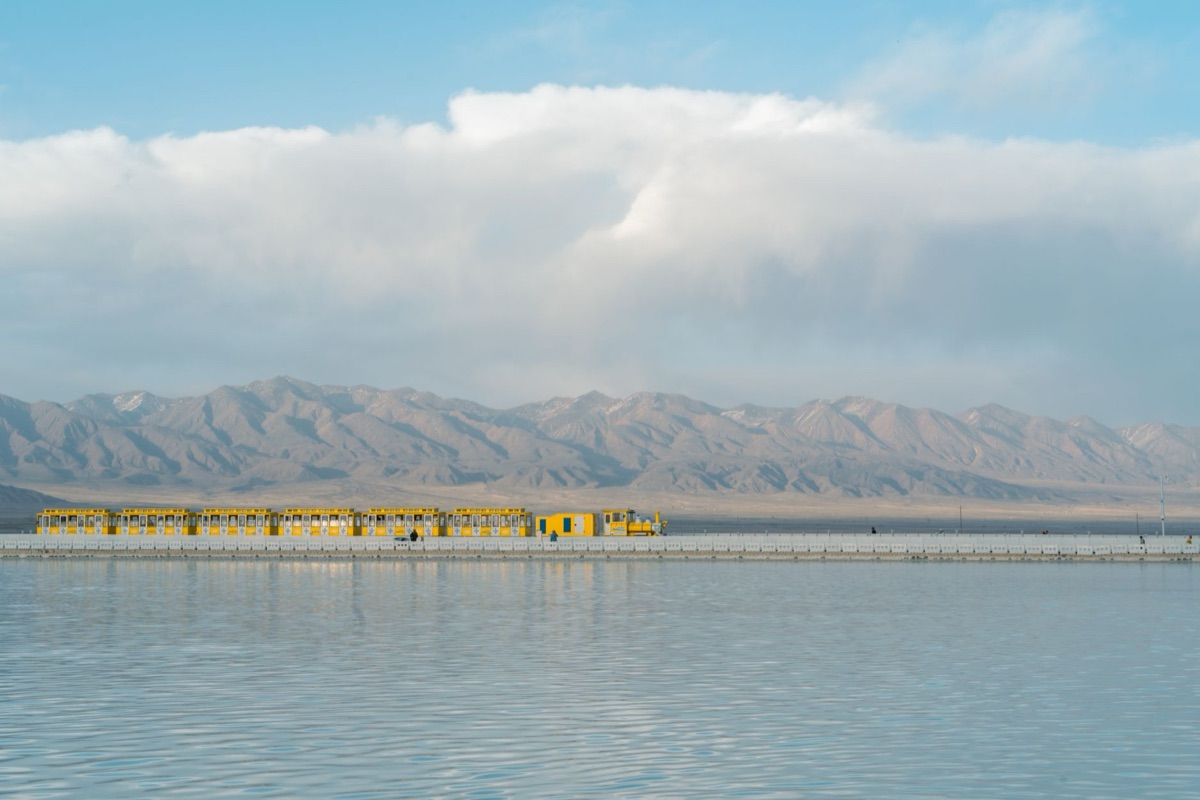
Why Does My Trip Need an Alpine Train?
At dawn, I gripped the cold metal handrail as the train climbed toward the clouds, watching the rising sun turn the granite peaks a deep shade of orange.
I remember sitting in a wooden-paneled carriage near Lauterbrunnen at 10:00 AM, watching the mist roll over the sheer limestone cliffs while sipping a warm tea. The condensation from my cup fogged the glass, momentarily cutting me off from the massive, jagged peaks outside.
According to World Bank, Switzerland recorded share of internet users of 97.3% in 2025.
The train wasn't just moving me from point A to point B; it was a moving platform that allowed me to experience the verticality of the Alps without the immediate struggle of a 2,000-meter ascent.
For many, an Alpine train is a destination in itself. These engineering marvels, often winding through tunnels or clinging to ridges, are designed to bring you to the "top of the world." However, travelers often mistake these for simple transit.
If you are using a line like the Jungfraubahn, you aren't just traveling; you are ascending to a glacial environment.
The math of the trip often comes down to the "Pass Value Equation." If you plan to move between cities like Zurich, Lucerne, and Zermatt, a pass might cover your base transit, but high-altitude mountain railways often require a separate, expensive supplement.
You must determine if your itinerary justifies a high-cost pass or if individual, timed tickets will save you more money.
Beyond the logistics, there is a deep cultural immersion. As the train climbs, you move through distinct zones—from the lush, green valleys of Alpine herding and traditional Chalet architecture to the stark, white silence of the high peaks.
But choosing the right route is only half the battle.
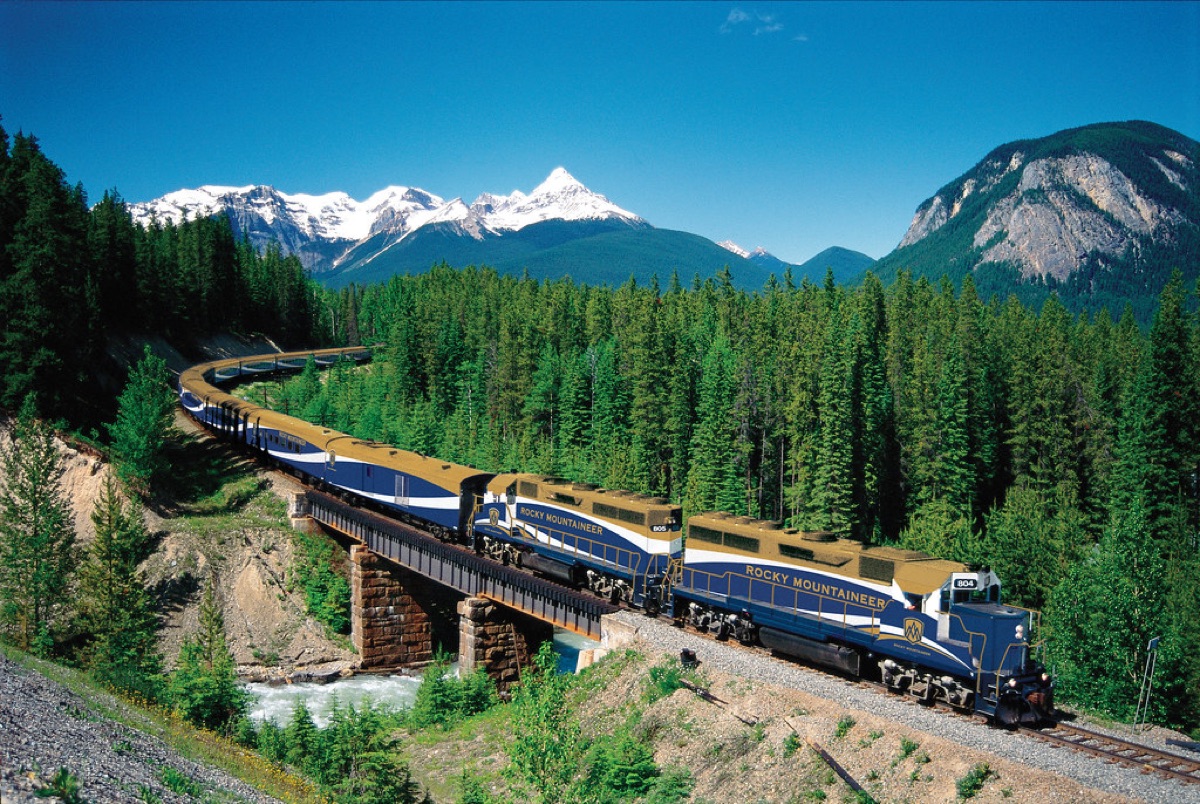
Which of the big three is best for me? Leaning against the window in the quiet morning, I felt the gentle vibration of the tracks as the landscape shifted from lush valleys to jagged, snow-capped ridges.
The sheer scale of the Alps can be overwhelming. While Switzerland covers only 14% of the total 192,753 square kilometers of the Alpine range, it holds 48 of the 82 alpine four-thousanders, meaning nearly all high-altitude drama is concentrated here.
In Switzerland, the focus is often on high-end, high-altitude engineering. Routes like the one to Jungfraujoch or the Gornergrat offer a concentrated, expensive, but breathtakingly efficient way to see massive glaciers and 4,000-meter peaks.
This is for the traveler who wants to stand on a glacier without a week of climbing.
Moving toward the French-Italian border, the vibe shifts. The Mont Blanc massif offers a different geological drama, often more rugged and centered around high-altitude mountaineering culture.
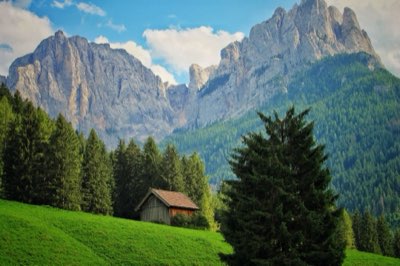
In the Italian Dolomites, the trains and cable cars lead to jagged, pale limestone peaks that feel entirely different from the white granite of the Swiss Alps.
Austria, particularly around Innsbruck and the Salzkammergut, offers a more "classic" Alpine feel. The routes here often feel more integrated into the landscape, winding through rolling hills and lakeside villages.
It is often more budget-friendly and serves as an excellent base for those who want scenic beauty combined with accessible hiking.
| Feature | Swiss High-Altitude Lines | Franco-Italian Routes | Austrian Scenic Lines |
|---|---|---|---|
| Primary Goal | Glacier & Peak Access | Rugged Mountaineering | Scenic Landscapes |
| Cost Level | Very High | Moderate to High | Moderate |
| Terrain | Glacial/High Alpine | Sharp/Rocky | Rolling/Lakeside |
| Best For | Bucket-list sightseeing | Adventure seekers | Relaxed travelers |
However, looking at a map is nothing compared to the reality of the terrain.
How do I pick the right route for my trip? I once spent three hours in a quiet station cafe in Interlaken, debating whether to take a direct mountain cogwheel or a winding valley train, only to realize I had completely overlooked the timing of the sunset.
I learned then that planning requires looking at the "logistical flow" of your entire trip, not just a single ride.
When selecting a route, use this checklist to avoid common pitfalls:
- Define the Scope: Are you looking for a 7-day intensive mountain tour or a 4-country loop? High-altitude lines take more time and energy than valley transit.
- Check Engineering Realities: Understand that some lines are built for speed and efficiency (like the Gotthard-influenced routes), while others are slow, winding climbs.
- Sequence Your Stops: Do not book a high-altitude ascent on the same day you plan a strenuous 6-hour hike. The physical toll of altitude is real.
- Verify Pass Coverage: Does your pass cover the specific mountain railway, or just the regional trains?
The complexity of these routes is a testament to human ingenuity. For example, the massive engineering feats seen in tunnel-heavy regions, such as the work surrounding the Gotthard Base Tunnel, show how much effort goes into conquering these vertical landscapes.
But what happens when you step off the train?
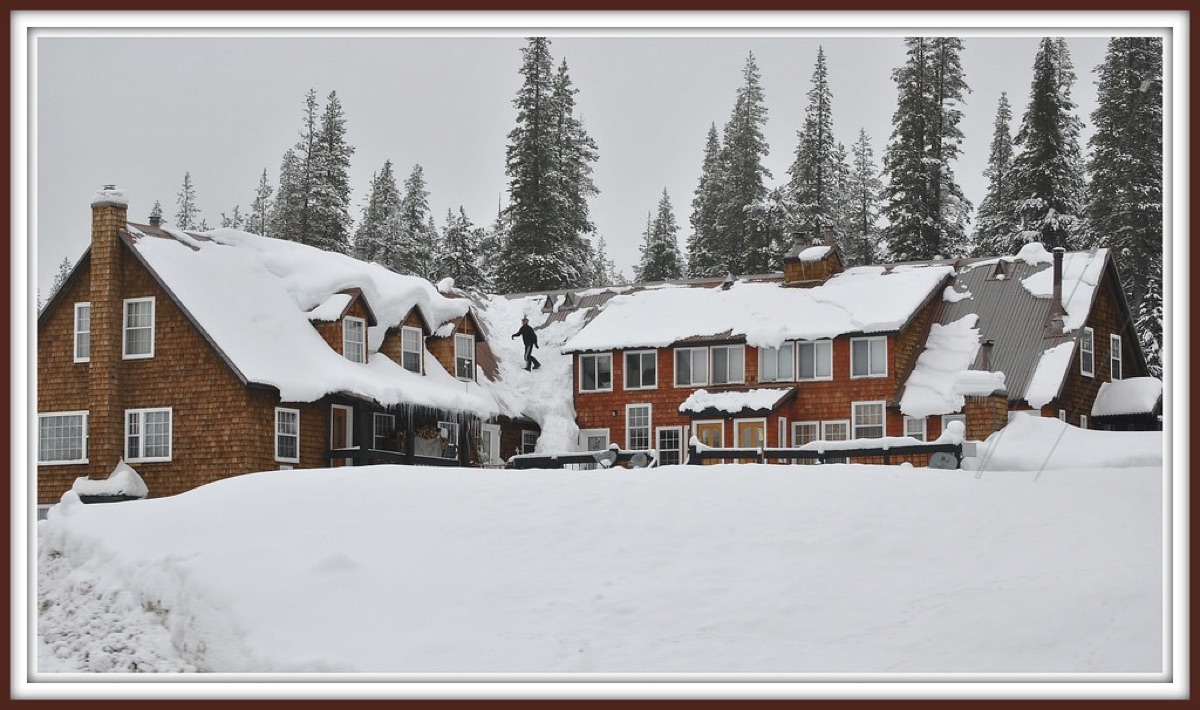
Beyond the Train: Maximizing Your Alpine Experience
A train ride might end at a station, but the experience shouldn't. If you take a train to a high-altitude station, you are often stepping directly into a different climate.
Pairing your train journey with hiking is the most common way to use these lines. However, you must match the difficulty. If you take a train to a high-altitude peak, remember that you are already at a high elevation.
A "moderate" hike at 2,500 meters feels much more strenuous than a moderate hike at sea level.
Accommodation synergy is also vital. If you are focusing on a specific mountain range, look for mountain lodges or "Hüttens" (mountain huts) near the terminus of your train line.
This allows you to wake up in the mountains and use the train as a way to descend back to the valleys, rather than commuting back and forth daily.
Always remember the three altitudinal zones. You might leave a warm valley in a light jacket, only to step off a train into sub-zero temperatures and thin air.
This brings us to the most practical part of any trip.
Essential Traveler Tips: Surviving the Alps
The cost of a single train ticket in Switzerland can sometimes equal a full day's budget in other parts of Europe. Managing this requires a strategy.
* Financial Survival: If you are on a budget, use local grocery stores (like Coop or Migros in Switzerland) to pack high-quality lunches. Eating a sandwich on a mountain-view seat is often more satisfying and much cheaper than a mountain-top restaurant. * High Altitude Safety: Acclimatization is not just for climbers. If you are traveling from sea level to a high-altitude station, give your body a day to adjust before attempting heavy physical activity. * Booking Timing: For popular scenic trains, booking in advance is essential. For standard regional trains, you often don't need to book, which gives you more flexibility to change plans based on weather.
Comments 0