Beyond Sleep: Why Mountain Huts Matter for Summit Pursuits
"The mountains don't care about your itinerary, but your itinerary certainly cares about the mountains."
Staying in an Alpine hut is not just about finding a bed; it is a strategic decision for high-altitude exploration.
Whether you are chasing a sunrise over a jagged peak or using a mid-way station to conquer a long-distance trek, these mountain refuges serve as the vital bridge between civilization and the wild.
Key Takeaways * Strategic Purpose: Huts are chosen for sunrise views, route efficiency, or cultural immersion. * Logistics Matter: Most stays operate on a "half-board" basis, meaning breakfast and dinner are included.
* Preparation is Vital: Always check seasonal availability, altitude requirements, and bedding policies before booking. * Safety First: Respecting hut etiquette and arrival times is crucial for both safety and community harmony.
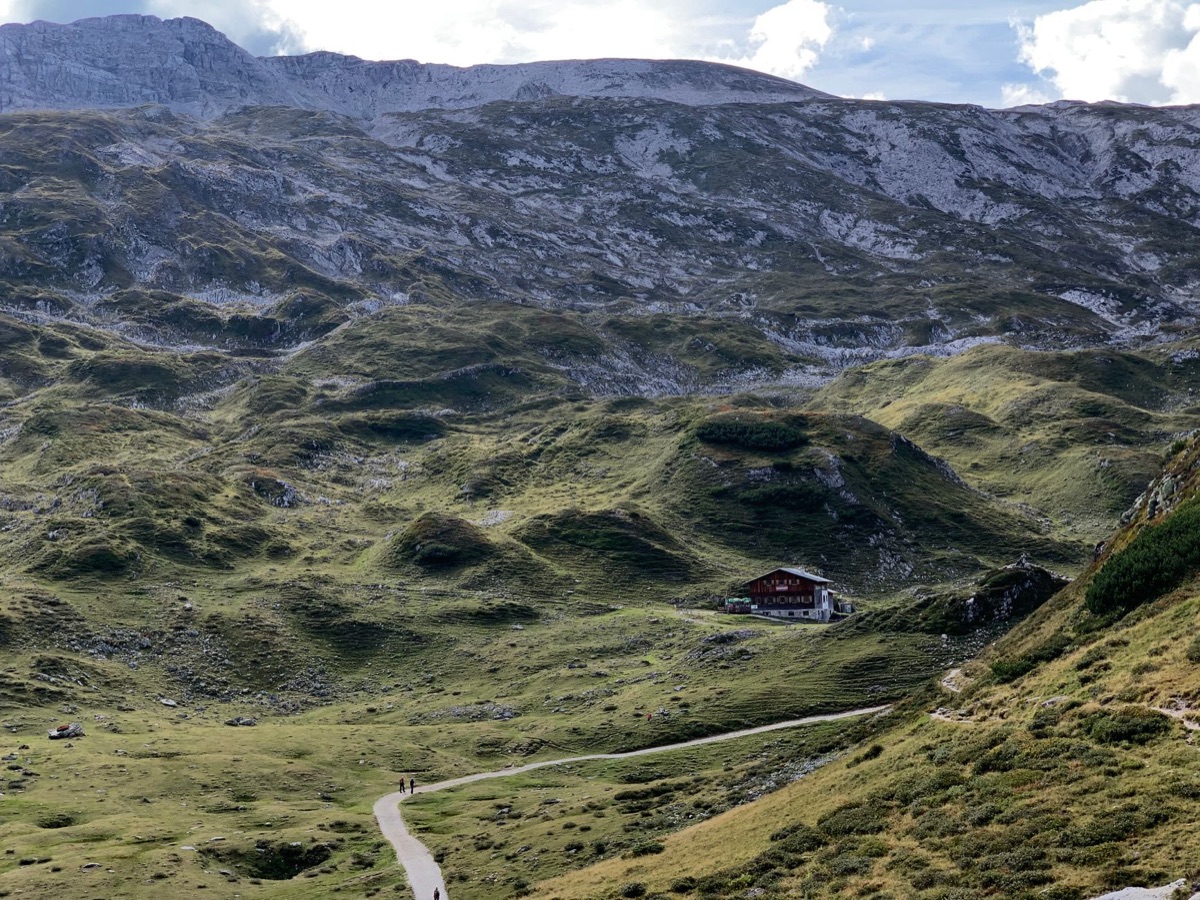
Why brave the steep climbs for a mountain hut?
The first light of dawn hits the wooden walls of a high-altitude hut, and the smell of freshly baked bread drifts through the chilly morning air. According to World Bank data, Switzerland recorded international tourist arrivals of 11,818,000 in 2019.
At 8,000 feet, thick fog rolls past the window, and a sharp breeze rattles the timber frame of a traditional chalet-style hut. You wake up in a narrow wooden bed, looking out at a sea of white peaks, and suddenly, the grueling climb from the valley makes perfect sense.
For travelers in the Alps, a mountain hut (often called a *Hütte* or *Refuge*) is much more than a place to sleep. It is a frontier where human presence meets the raw power of nature, serving as a tactical basecamp for the next day's trek.
While a city hotel offers plush pillows and room service, a hut offers something far more valuable to an adventurer: proximity to the trail.
Experienced hikers don't just go to these remote outposts to rest; they go with a specific mission. Some seek the perfect, unobstructed view of a sunrise over a glacier, while others use them as essential waypoints to break up a multi-day trek.
But how do travelers decide which hut is worth the trek, and what exactly are they paying for in these remote locations?
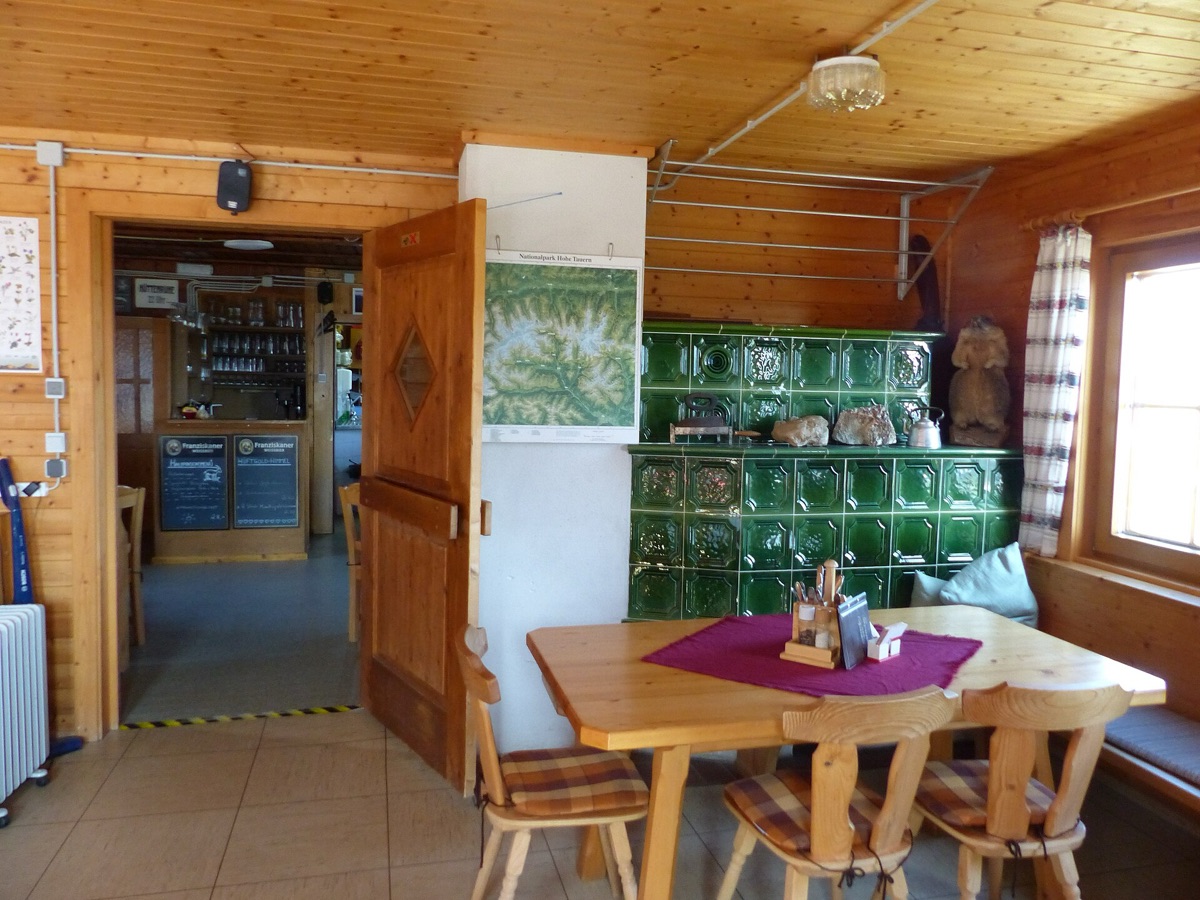
Is this a hotel or a tool for exploration? The midday sun reflects off the eternal snow of a high peak, momentarily blinding you as you double-check your 2025 summer reservation list.
When choosing a hut, travelers generally fall into three distinct categories based on their goals. The first is "scenic immersion," where the primary goal is to secure a front-row seat to a specific sunrise or sunset.
The second is "route efficiency," where a hut is chosen because its location makes a long-distance trek more manageable and safer. Finally, there is "cultural immersion," where the stay itself is the destination, focusing on traditional mountain life.
Because these stays are so specialized, the type of hut you select will change based on your objective.
| Purpose of Stay | Primary Feature | Best For |
|---|---|---|
| Scenic Focus | High-altitude location with sunrise/sunset views | Photographers, sunrise enthusiasts |
| Route Efficiency | Strategically placed along a major hiking trail | Long-distance thru-hikers |
| Cultural/Relaxation | Close to villages or maintained in traditional style | Families, leisurely travelers |
With these clear objectives, the criteria for selecting the right hut become much more specific.
What am I actually paying for? You pull open a heavy wooden door, and a wave of warm, communal air hits you as you step into a rustic, dimly lit common room.
The pricing structure of a mountain hut is entirely different from a standard hotel. Most huts operate on a "half-board" basis, which typically includes both breakfast and dinner. Because supplies must be hauled up via helicopter, mule, or foot, menus are usually set rather than à la carte.
Locals understand that when they pay for a hut stay, they aren't just buying a bed; they are purchasing safety and sustenance. In high-altitude environments, food is difficult to source and cooking is limited.
A hearty, high-calorie dinner and a reliable breakfast are essential for fueling the next day's climb.
When comparing costs, don't just look at the price tag. You must consider the quality of the meals, the ability to store gear, and how easily the hut connects to cable cars or transit routes.
But can anyone just show up and claim a bunk?
Can anyone just show up?
You navigate a narrow, rocky path, catching glimpses of a lonely hut silhouette standing against the vast sky.
While huts are technically open to the public, they come with strict rules and physical requirements. The first consideration is always altitude and physical fitness. Because many huts are located at extreme elevations, travelers must account for the risk of altitude sickness or physical exhaustion.
Furthermore, seasonality is a major factor. In early spring, heavy snow can keep many high-altitude huts closed for months. You must verify the specific "season" for any hut you plan to visit.
Experienced travelers keep these three limitations in mind:
- Reservations are Mandatory: Most popular huts fill up months in advance. Showing up without a booking is a recipe for a cold night.
- Physical Accessibility: High-altitude huts often require strenuous climbs, making them unsuitable for children or those with limited mobility.
- Gear Requirements: Huts are not luxury hotels. You may need to bring your own sleeping bag liner or specific types of bedding.
These constraints don't detract from the experience; rather, they define the authenticity of the journey.
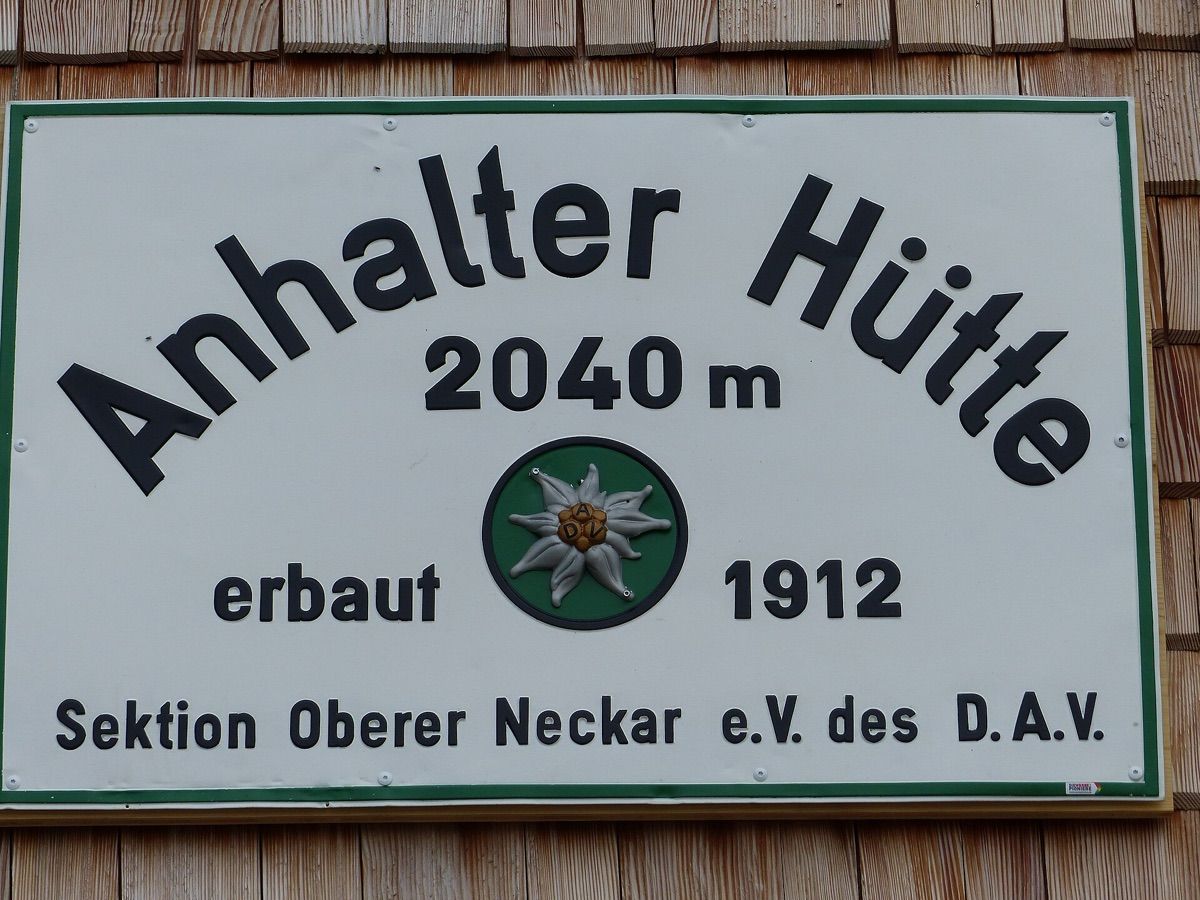
Tips for a safe and successful stay
You feel the weight of your pack as you wipe sweat from your forehead, heading toward your assigned bunk in a narrow hallway.
A night in a hut is romantic, but it requires disciplined preparation. In my experience, the most critical factor is balancing weight against functionality.
During the 2025 hiking season, I learned that carrying too much gear makes hut life nearly impossible, while carrying too little makes you vulnerable.
Here is a step-by-step guide to managing your life in a high-altitude hut:
- Master the Layering System:
- * Step 1: Wear a moisture-wicking base layer to manage sweat.
- * Step 2: Add a mid-layer, like a fleece, for warmth.
- * Step 3: Always have a waterproof shell jacket ready for sudden weather shifts.
- Respect the Schedule:
- * Aim to arrive between 5:00 PM and 6:00 PM.
- * Late arrivals might miss the communal dinner, which can be a major problem in remote areas.
- Practice Hut Etiquette:
- * Minimize water usage, as resources are often limited.
- * Keep noise to an absolute minimum during quiet hours to respect other travelers.
Always remember that weather in the mountains can change in minutes. Always check local forecasts and follow the hut warden's instructions without question.
Expanding your journey
You descend from the peak, stepping back onto a winding forest trail as the sun begins to dip.
A hut is rarely a final destination; it is a jumping-off point for a much larger exploration. According to data from 2024, global alpine tourism continues to grow, highlighting the massive scale of mountain exploration.
You can expand your trip using these three common strategies:
* Thru-hiking: This involves connecting multiple huts in a chain, moving from one to the next over several days. The hut becomes your daily sanctuary. * Basecamp Touring: Staying at one central, well-located hut and taking day trips to various peaks. This allows you to keep your heavy gear in one place. * Altitude Acclimatization: Starting at lower-altitude huts and gradually moving to higher elevations to help your body adjust to the thinning air.
When planning, always look at the "big picture," including cable car routes, bus connections, and the distance to the nearest village.

Comments 0