Alpine Hiking: Match Trek Difficulty to Your Time Commitment
"How much effort is worth the view, and how much time will I actually spend moving my feet?"
Deciding between a gentle stroll through wildflower meadows and a grueling vertical ascent is the most critical choice you will make when planning an Alpine trip. Your decision dictates not just your physical exhaustion, but your entire travel budget and itinerary.
* Match the trek to your fitness: Don't confuse "scenic" with "easy"; a trail with a massive view often requires significant vertical gain. * Time is your most limited resource: Factor in transit times via mountain railways alongside actual walking hours. * Plan for altitude: Physical exertion increases significantly as you move into higher altitudinal zones. * Balance cost and comfort: Decide between rugged mountain huts (refuges) and luxury valley hotels to manage your budget.
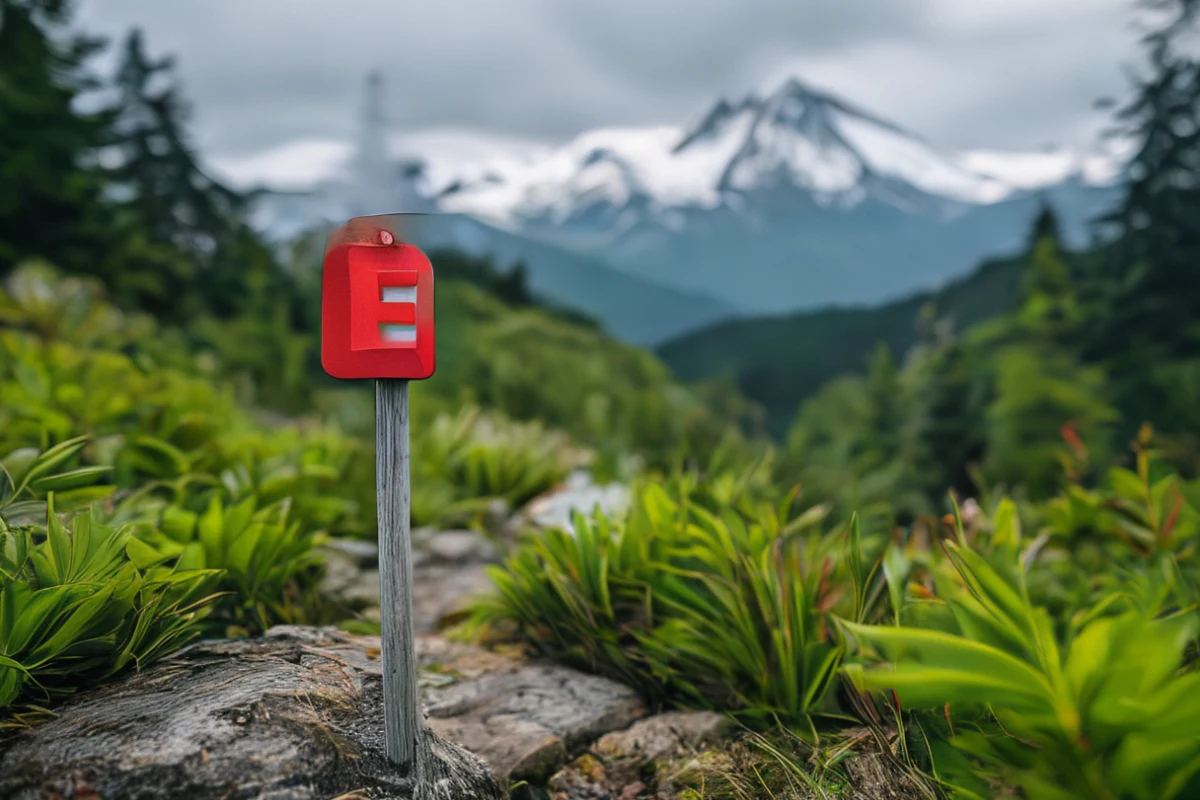
Which alpine adventure matches my profile? The sun hits the jagged peaks of the Eiger as I tighten my boot laces, wondering if the three-hour ascent will be worth the heavy pack I'm carrying. I look at the map, noting how the trail winds through steep terrain that looks much more intimidating on paper than it does from the valley floor.
The scale of the Alps is difficult to grasp until you are standing in the middle of it. The mountain range covers a massive 192,753 square kilometers (74,422 sq mi), and while Switzerland only accounts for 14% of that total area, it contains 48 of the 82 alpine four-thousanders.
This massive geographic spread means "hiking" can mean anything from a paved path near a village to a technical scramble near a glacier.
When planning, you must categorize your adventure into one of three profiles. First, there are the Day Hikes, which usually start and end at a mountain station or a village. These are perfect for travelers who want to see the sights but need a warm bed and a hot meal every night.
Second are the Multi-Day Treks, which involve moving from hut to hut. These require higher fitness and better gear but offer deeper immersion. Finally, there are Guided Tours, where professional mountain guides handle the navigation and technical safety, allowing you to focus on the landscape.
The biggest mistake travelers make is failing to distinguish between scenic exposure and physical exertion.
A trail might be wide and well-marked, but if it climbs 1,000 meters in a single afternoon, it is not a "walk in the park." You must weigh the reward of the view against the energy you will expend to reach it.
But understanding the terrain is only half the battle; you also have to understand the physical toll.
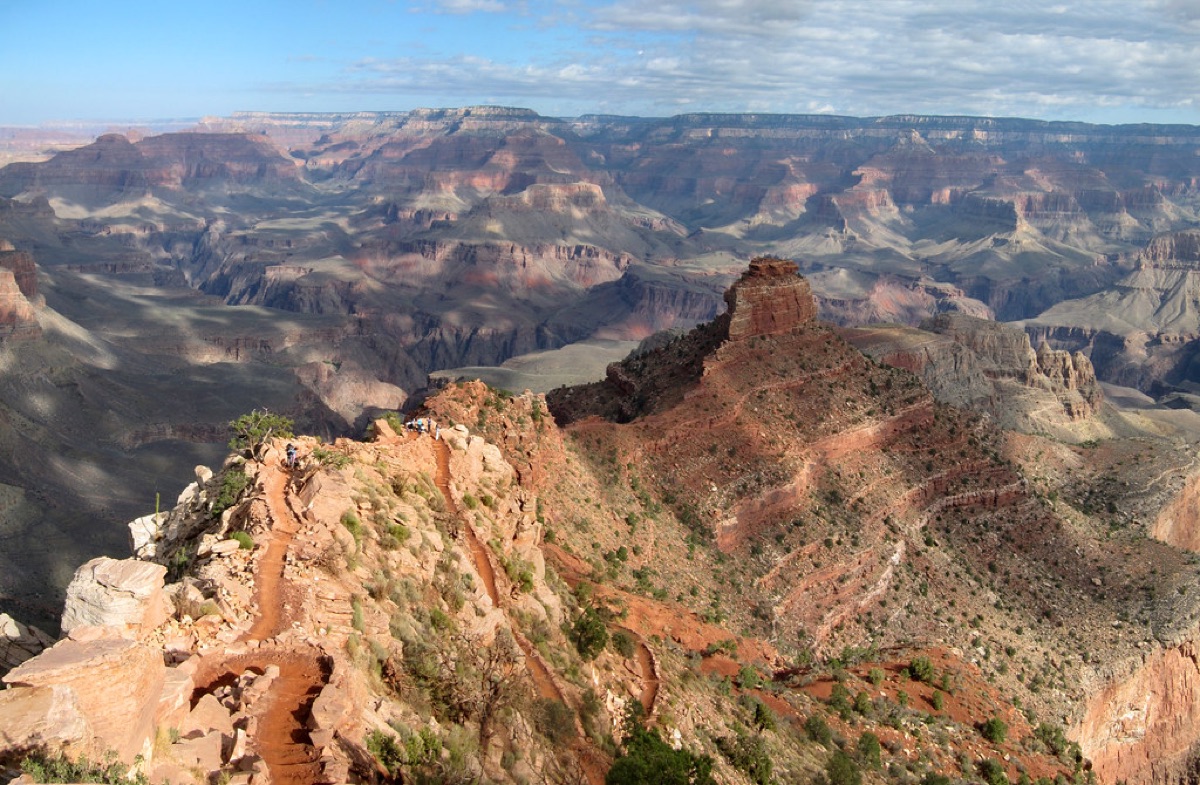
Difficulty Spectrum: What Does "Challenging" Really Mean?
I stand at the edge of a subalpine meadow, catching my breath as the wind picks up, realizing that the "moderate" trail sign didn't account for the thinning air. My legs feel heavy, not because the path is steep, but because the altitude is pulling at my lungs.
In the Alps, "difficulty" is a multi-dimensional metric. It isn't just about how many miles you walk; it is about verticality. Altitude gain and loss are the primary drivers of exhaustion.
Moving through different altitudinal zones—from the lush valley floors up through the subalpine forests toward the rugged alpine tundra—changes the physical demand on your body.
Technical difficulty is another layer. This involves the terrain itself: rocky scree slopes, narrow ridges, or crossing zones near moving glaciers. While the Swiss glaciers cover 1,220 square kilometers (470 sq mi), they represent 44% of the total glaciated area in the Alps.
Hiking near these zones requires an understanding of snow stability and meltwater.
You must also differentiate between sustained endurance and a "summit push." A long, steady climb tests your cardiovascular system over many hours, while a summit push is a short, intense burst of vertical movement that requires explosive strength and mental focus.
If you choose a trek with heavy verticality, your pacing must be much slower than on a flat valley walk.
However, even the most fit hiker can be caught off guard by the logistical reality of mountain travel.
Time Commitment: How Long Do You *Really* Need?
The train whistle echoes through the valley as I watch the local commuters head toward the mountains, realizing my own schedule is much more complex. I have to balance the time spent moving on foot with the time spent moving between destinations.
Time management in the Alps requires a two-pronged approach: hiking time and transit time. Because the mountains are so vast, moving from one trailhead to another often involves trains, buses, or cable cars.
| Trip Type | Typical Duration | Best For |
|---|---|---|
| Short Trips | 1–2 Days | Travelers using mountain resorts as a base; focus on accessible viewpoints. |
| Medium Trips | 4–7 Days | Travelers moving between regions (e.g., moving from the Bernese Oberland to Valais). |
| Long Trips | 10+ Days | Deep immersion, crossing borders, or attempting major mountain traverses. |
Short trips are ideal for those who want to maximize sightseeing without moving hotels frequently. Medium trips allow you to experience different landscapes, such as moving from the lakes of Lucerne to the high peaks of the Valais.
Long trips are for the dedicated hiker looking to complete significant segments of famous routes.
Always remember that a 5-kilometer hike in the Alps can take much longer than 5 kilometers on flat ground. If a guidebook says a trail takes three hours, it likely assumes a fit hiker moving at a steady pace on established paths.
If you are factoring in breaks for photos or heavy packs, double that estimate.
But once you leave the trail, you enter a whole different world of culture and environment.
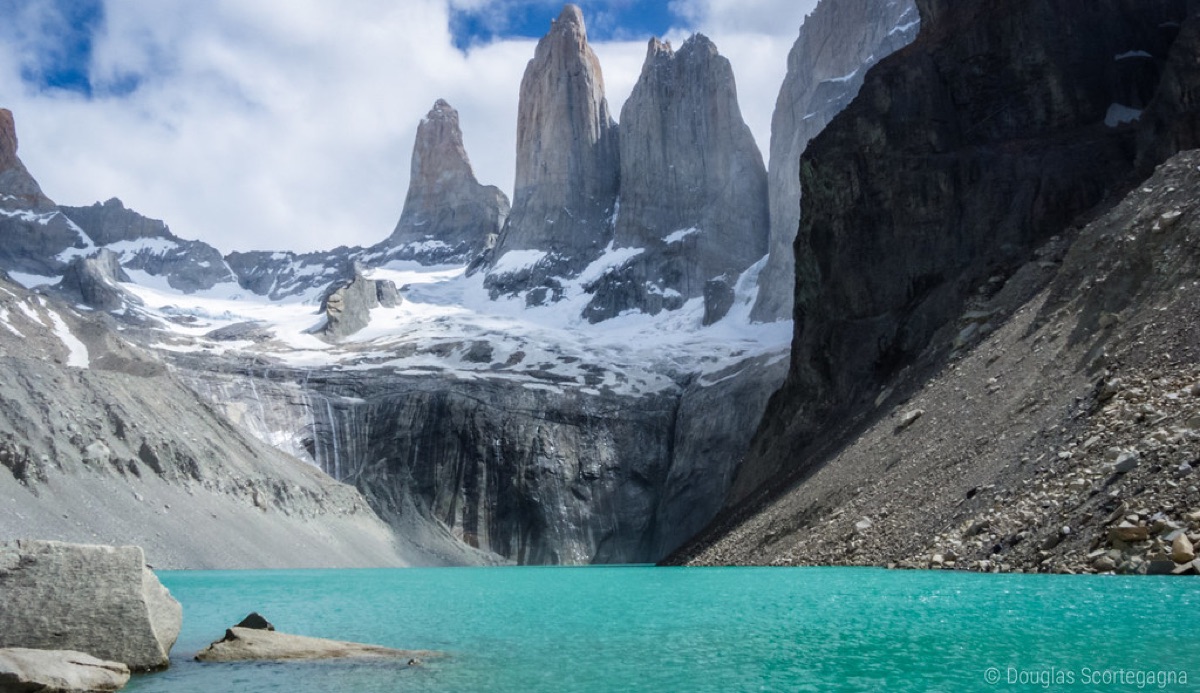
What lies beyond the trailhead in the alpine ecosystem? The smell of fresh Gruyère cheese wafts from a nearby mountain hut, and the sound of a distant cowbell reminds me that these mountains are not just scenery; they are a living, working landscape. I sit on a wooden bench, watching a farmer move a herd toward higher pastures.
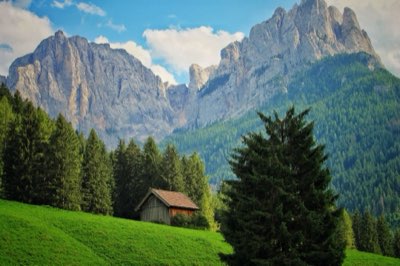
The Alps are not a wilderness untouched by humans; they are a cultural landscape shaped by centuries of mountain life. Traditional architecture, such as the wooden Chalet, is designed to withstand heavy snow and rugged terrain.
Much of the hiking culture is tied to Alpine herding and seasonal movements.
Infrastructure plays a massive role in how you experience the mountains. High-tech mountain railways, like those used to reach the Jungfraujoch, allow travelers to reach extreme altitudes without the physical toll of climbing.
This allows you to enjoy the "high alpine" experience even if you aren't an elite athlete.
However, the presence of these railways doesn't make the hiking "easy." It simply changes the starting point. You can use a train to reach a high-altitude plateau and then embark on a challenging descent.
Understanding how the local infrastructure (trains, cable cars, and mountain huts) interacts with the natural terrain is key to planning a logical route.
But understanding the environment is nothing compared to understanding the cost of the journey.
Financial Reality Check: Budgeting for the Alpine Experience
I look at the price of a simple mountain lunch—a bowl of soup and a slice of bread—and realize that my "budget" needs a serious reality check. The cost of being in the clouds is significantly higher than being in the valley.
According to World Bank data, Switzerland recorded international tourist arrivals of 11,818,000 in 2019.
As of the 2025 travel season, the cost of mountain living remains a significant factor for international visitors. Budgeting for an Alpine trip involves a trade-off between comfort and cost. There are two primary ways to approach your stay:
- The Resort Base Model: You stay in a valley town or a major hub (like Interlaken or Zermatt) and take day trips. This offers the most comfort, access to amenities, and predictable costs, but you spend more time in transit.
- The Hut-to-Hut Model: You stay in mountain refuges (huts) along the trail. This is often more cost-effective for food (as many huts offer half-board: breakfast and dinner), but it requires carrying your own gear and involves much higher physical demand.
| Expense Category | High-End Resort Style | Traditional Hut Style |
|---|---|---|
| Lodging | Luxury Hotels / Chalets | Mountain Refuges (Huts) |
| Food | Restaurant-heavy | Half-board (included in hut price) |
| Physicality | Low to Moderate | High |
| Gear Needed | Light day-pack | Full trekking kit (sleeping bag liner, etc.) |
When calculating your budget, do not forget the cost of mountain transit. Cable cars and mountain trains are essential for many routes but can be expensive. If you plan on moving frequently, a Swiss Travel Pass or a Half-Fare Card might be a necessary investment to keep costs manageable.
To ensure you aren't caught unprepared, follow this essential planning checklist:
- Verify the elevation profile: Check the total ascent and descent, not just the total distance.
- Check the seasonal accessibility: Ensure the trails and mountain huts are actually open for the months you plan to visit.
- Sync your transport: Map out the train and cable car schedules to ensure you aren't stranded at a trailhead.
- Pack for four seasons: Even in summer, mountain weather can drop ten degrees in minutes.
- Confirm hut reservations: During peak seasons like July and August, huts often book up months in advance.
Comments 0