Alpine Hut Stay: Preparing for the Mountain's True Test
"The mountains do not care about your luxury; they only care that you are prepared."
Staying in an Alpine hut is a transition from being a spectator of nature to becoming a participant in it. It is the difference between looking at a painting and walking into the frame.
* A hut is a living piece of history, not a luxury hotel. * Expectations must shift from privacy to communal living and self-sufficiency. * Regional differences—from Swiss glaciers to Dolomite peaks—dictate the level of ruggedness.
Why Choose a Hutte? Beyond the Tourist Trail
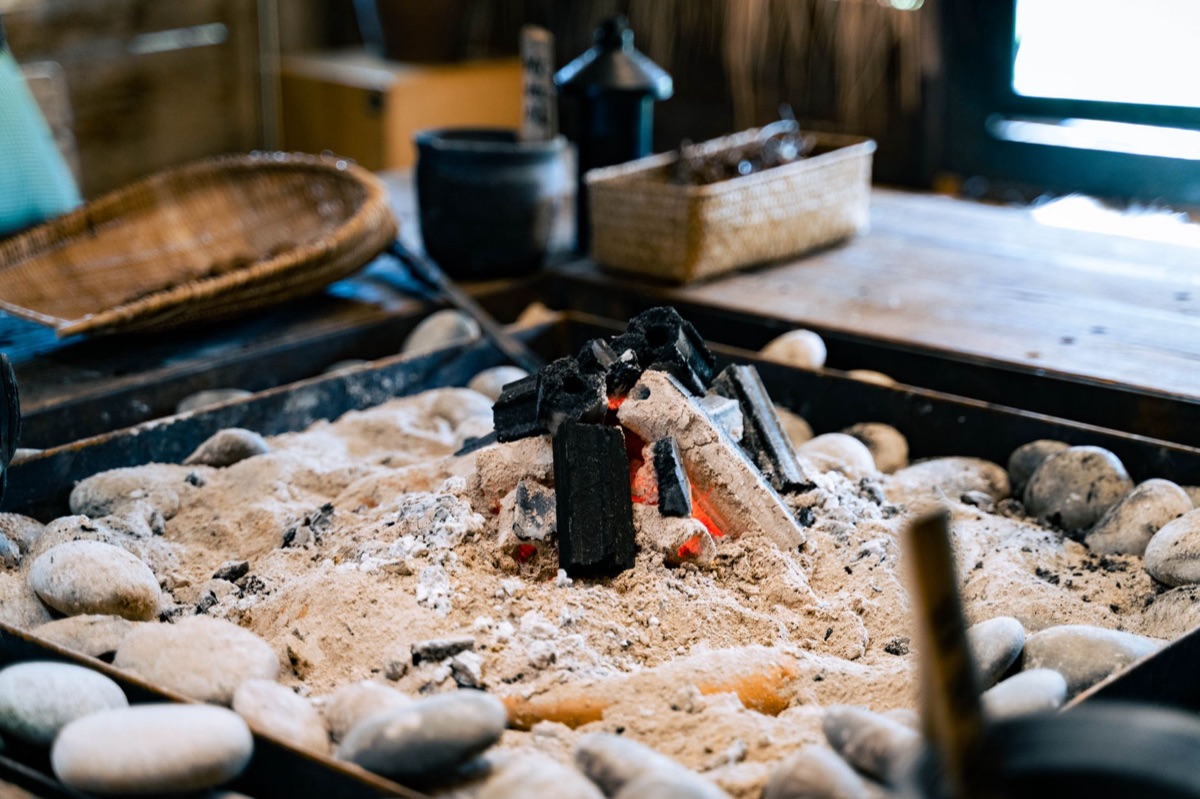
The heavy wooden door creaks shut at dusk, cutting off the whistling wind to leave only the warmth of a wood-burning stove.
The heavy wooden door creaks shut at 6:30 PM, cutting off the whistling wind of the high pass, leaving only the warmth of a wood-burning stove and the low murmur of hikers. You realize then that you aren't just in a building; you are in a sanctuary designed for survival.
According to World Bank data, Switzerland recorded international tourist arrivals of 11,818,000 in 2019.
A traditional Alpine hut, or *Hütte*, serves a purpose far beyond providing a bed. While a luxury hotel in Interlaken offers comfort to help you escape the elements, a hut is designed to help you endure them.
It is a functional piece of mountaineering infrastructure that has stood as a cultural anchor for generations of climbers and shepherds.
In the high Alps, self-sufficiency is the primary cultural code. Unlike a city hotel where you might order room service, a hut operates on a rhythm of shared responsibility. You are part of a small, temporary community where the goal is to respect the mountain and the resources provided.
This isn't about "roughing it" for the sake of hardship; it is about honoring the environment that makes such a stay possible. If you seek a quiet, private sanctuary to hide from the world, a hut might feel intrusive.
But if you seek to understand the grit and beauty of Alpine life, there is no substitute.
However, choosing a hut is only the first step in a much more complex logistical puzzle.
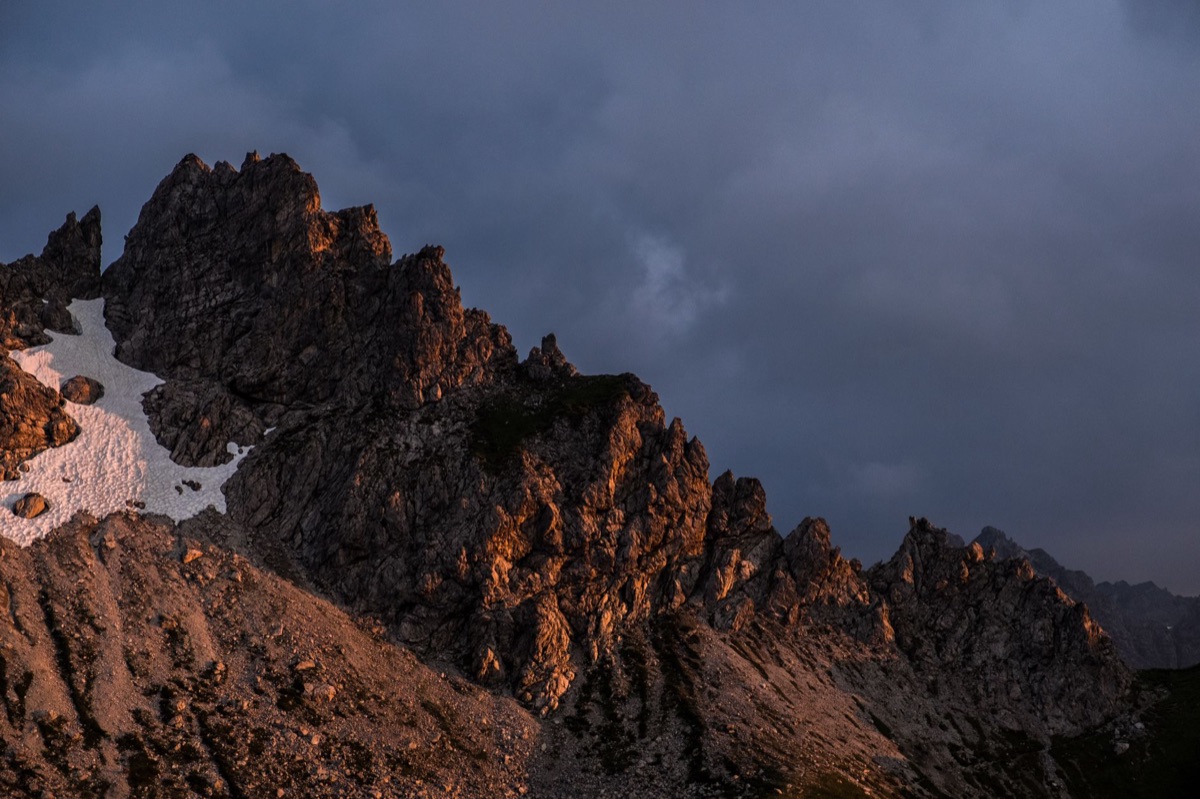
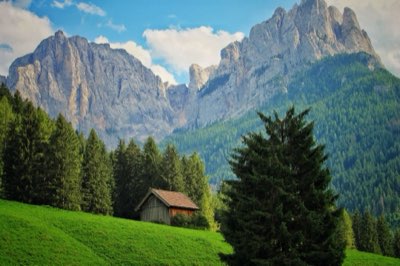
How far is the distance between my activities and my bed? The sun hits the jagged granite of the Dolomites in the morning, turning the rock a pale pink before the shadows of the Swiss Alps stretch long across the glaciers. Depending on which peak you are climbing, your sleeping arrangements will look vastly different.
The character of a hut changes significantly as you cross borders. In the Swiss Alps, where the terrain is defined by massive glaciers—covering 1,220 square kilometers and representing 44% of the total glaciated area in the Alps—huts are often rugged outposts designed for technical access.
In contrast, huts in the Austrian or Italian regions might lean more toward the "mountain lodge" style, often featuring more robust local cuisine and a slightly more social atmosphere.
| Feature | High-Alpine Hut (Remote) | Mountain Resort/Hotel |
|---|---|---|
| Primary Goal | Shelter & Basecamp | Comfort & Relaxation |
| Privacy | Low (Shared Dorms) | High (Private Rooms) |
| Access | Hiking or Climbing required | Vehicle or Cable Car access |
| Atmosphere | Communal & Rugged | Individualized & Polished |
The "High-End vs. Rustic" spectrum is a vital distinction. A luxury hotel in a valley like Lauterbrunnen is appropriate for those who want to see the mountains from a place of total comfort.
However, a rugged hut is the authentic choice when your goal is to wake up above the tree line, breathing the thin, crisp air before the first light hits the peaks.
But how do you actually prepare for the physical reality of arriving at such a place?
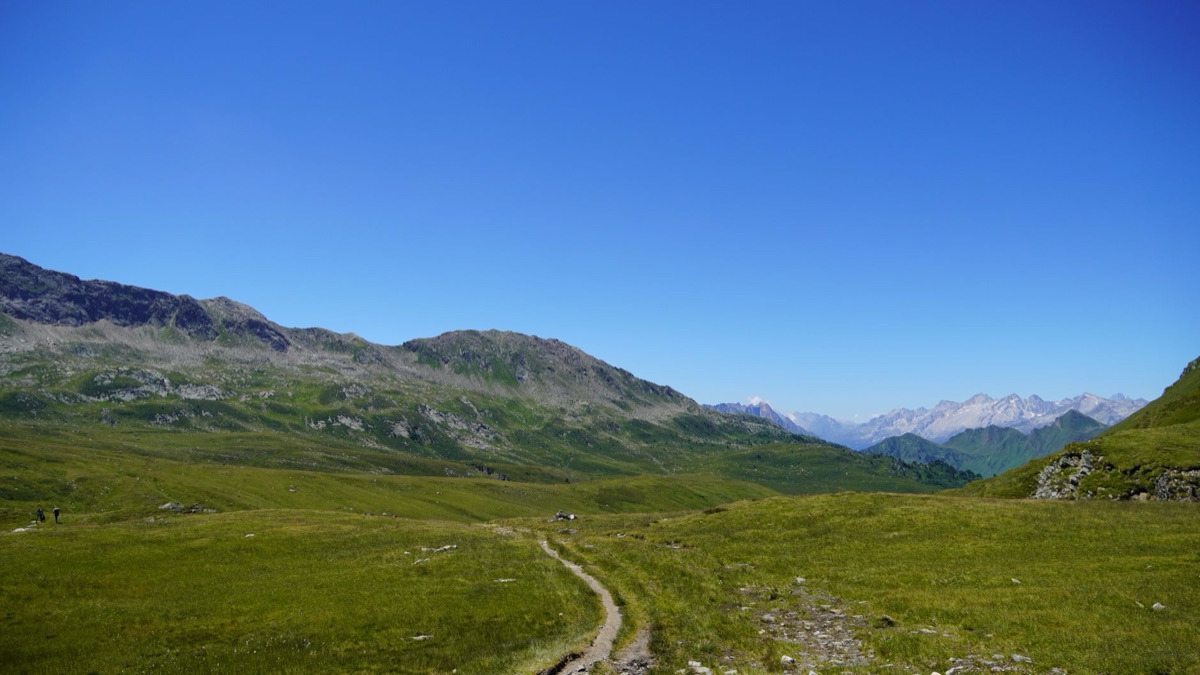
How do I prepare for the logistics of high altitude? You stand at the trailhead at 6:00 AM, checking the buckles on your pack and feeling the weight of your sleeping bag. The air is thin, and the path ahead rises sharply toward the clouds.
Preparing for a hut stay requires a specific mindset. You are moving into an environment where resources are limited by what can be carried up by foot or helicopter. This is why understanding the "acclimatization zone" is vital.
Moving from a valley to a hut above 2,500 meters is a physical transition; your body must adjust to lower oxygen levels.
A "Survival Kit" mentality is essential. While huts provide a bed, they often do not provide linens. You must bring a lightweight silk or cotton sleeping bag liner (a "liner" is often mandatory for hygiene). You also need to pack for extreme variability.
In the Alps, weather can shift from bright sunshine to a sudden snowstorm in minutes.
When I first attempted a high-altitude trek in 2025, I learned the hard way that a single heavy jacket is not enough; you need layers that can be added or removed in seconds.
To prepare correctly, follow this checklist:
- Layering System: Pack a base layer of merino wool, a mid-layer fleece, and a waterproof outer shell.
- Hygiene Kit: Carry biodegradable soap and a small microfiber towel.
- Sleeping Gear: Always include a lightweight sleeping bag liner.
- Hydration/Nutrition: Carry at least 2 liters of water capacity and high-calorie snacks.
- son
- Because these stays often involve trekking to remote locations, the financial context is also unique. While a hut stay is often cheaper than a luxury hotel, the cost of transport, gear, and high-altitude logistics can add up.
But once you arrive, the focus shifts from the gear to the social environment.
Dining & Dwelling: The Heart of the Hutte Experience
The smell of melted cheese and freshly baked rye bread fills the common room as hikers gather around a heavy oak table. There is no menu to choose from; there is only the soup of the day and the hearty stew prepared by the hut warden.
In a hut, dining is a communal ritual. Unlike a structured hotel menu, meals are often designed to be calorie-dense and efficient. You will likely eat at large, shared tables.
This is where the local DNA shines through—expect Alpine cheeses, hearty grains, and local specialties that reflect the herding traditions of the surrounding slopes.
The sleeping arrangements are rarely private. While some huts offer small private rooms, most involve "matratzenlager" (mattress camps) or bunk beds in shared dormitories.
* The Reality of Shared Space: You will hear the breathing of neighbors and the rustle of sleeping bags. * The View vs. Reality: You might have a billion-dollar view of a glacier through a tiny window, but you will also be sleeping on a thin mattress. * The Value of Connection: These shared spaces foster a unique sense of camaraderie among travelers.
It is easy to focus on the lack of privacy, but there is a deeper question of why travelers choose this over a comfortable valley bed.
Making the Choice: Hutte vs. Nearby Alternatives
You sit on a stone wall, looking down at the valley far below. You have a choice: head back down to the luxury of the village or stay up here, under the stars, in the heart of the mountains.
Deciding between a hut and a valley hotel depends on your objective. If your goal is "mountain immersion," the hut is the winner. It forces you to engage with the environment, the local culture, and your own physical limits.
If your goal is "mountain viewing" with a focus on recovery and luxury, a base hotel is the better choice.
The value proposition of a hut is the perspective it provides. It justifies the effort of the climb by offering a level of intimacy with nature that a luxury resort simply cannot replicate.
It is for the traveler who finds beauty in the simplicity of a hot meal and a dry bed after a long day of trekking.
#
Comments 0