Swiss mountain train checklist: How to best prepare
"The Alps cover 60% of Switzerland's total 41,285 square kilometres, making it one of the most alpine countries."
To prepare for a Swiss mountain train checklist, you must focus on adapting to rapid altitude changes and diverse climate zones. This guide is for travelers heading toward high-altitude peaks like Jungfraujoch, emphasizing layers for changing temperatures and the necessity of digital connectivity.
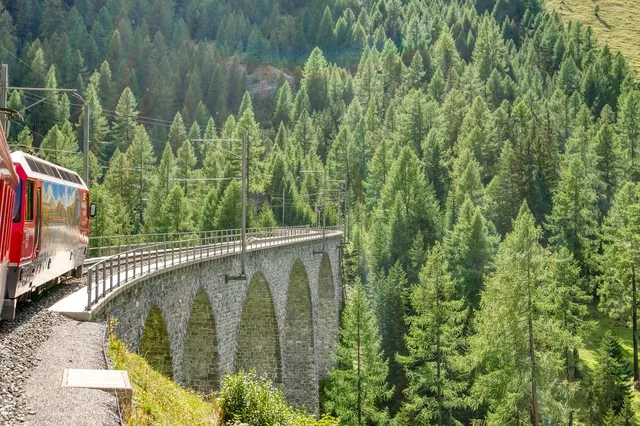
Key takeaways include preparing for subalpine climate shifts, understanding the vastness of the Alpine terrain, and ensuring you have the right gear for high-altitude environments.
What should be in my Swiss mountain train checklist?
A traveler grips a heavy winter coat while looking out the window at the massive peaks. This Swiss mountain train checklist ensures you are ready for the drastic temperature drops that occur as you ascend. Because temperature decreases with altitude, you must prepare for distinct altitudinal zones.
The climate changes significantly as you rise, with temperature dropping by approximately 0.56 °C per 100 m on a yearly average. This means a single trip can take you from a mild valley into a freezing subalpine zone below the tree line.
I once found myself adjusting my jacket three times within a single hour of ascending. You must pack layers to handle these shifts effectively.
How do I manage the terrain during my Swiss mountain trip prep?
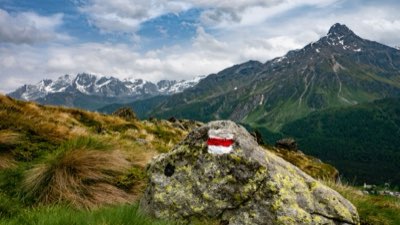
Walking through a high-altitude station, you notice the sheer scale of the surrounding mountains. Effective Swiss mountain trip prep requires understanding that you are entering one of the most rugged landscapes in Europe.
The Alps cover 60% of Switzerland's total 41,285 square kilometres (15,940 sq mi) surface area. While Switzerland covers only 14% of the total Alps area, it holds 48 out of 82 alpine four-thousanders. This density means the terrain is consistently steep and demanding.
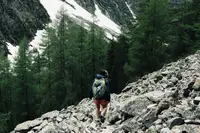
You should prepare for significant verticality regardless of whether you are hiking or riding the rails.
According to World Bank, the 2025 record includes 97.3%.
What are the essentials for my Jungfraujoch trip essentials?
You shiver in the cold mountain air at dawn while checking your swiss gear.
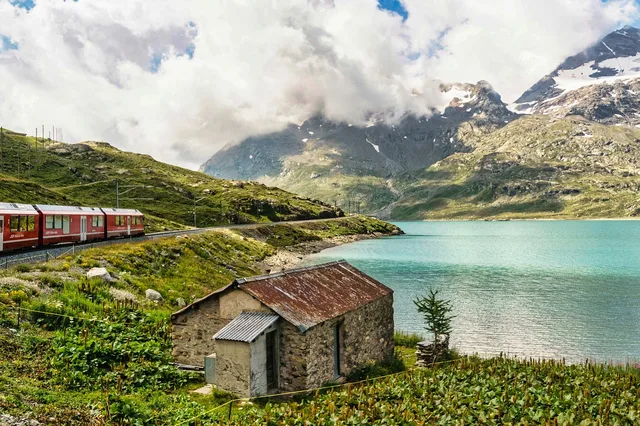
A passenger checks their phone signal while sitting in a panoramic train car. Identifying Jungfraujoch trip essentials involves planning for both the physical environment and the digital needs of a modern traveler.
You should prioritize items that address the following: 1. Layered clothing to combat the 0.56 °C temperature drop per 100 m. 2. Reliable digital tools, noting that Switzerland recorded a share of internet users of 97.3% in 2025, according to World Bank data. 3.
High-altitude protection for the intense sun reflected off the glaciers.
Checking your layers is the final step before departing.
How does Alpine railway travel guide advice apply to long journeys?
The rhythmic clicking of the tracks echoes through a long tunnel as you move through the mountains. Following an Alpine railway travel guide helps you manage the logistics of traversing the long transit routes.
The 57.1 km (35.5 mi) long Gotthard Base Tunnel provides a direct flat rail link through the Alps. While some regions are within 1 to 3 hours of main cities, the journey to the Engadine in Graubünden can take between 3 and 6 hours.
You should plan your transit time accordingly, especially when using popular routes like the Glacier Express or Bernina Express.
Why is the climate so unpredictable during my Swiss mountain train checklist?
The wind whips around a mountain station, chilling the skin despite the bright sun. Understanding why the climate shifts is vital for your Swiss mountain train checklist.
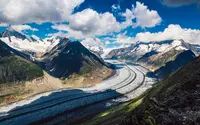
The region is characterized by three different altitudinal zones, each having a distinct climate. You might transition from a lush valley to a zone where the glaciers of the Swiss Alps cover 1,220 square kilometres (470 sq mi).
This massive ice coverage represents 44% of the total glaciated area in the Alps.
| Feature | Value |
|---|---|
| Swiss Alps share of total Alps area | 14% |
| Swiss Alps share of Swiss territory | 3% |
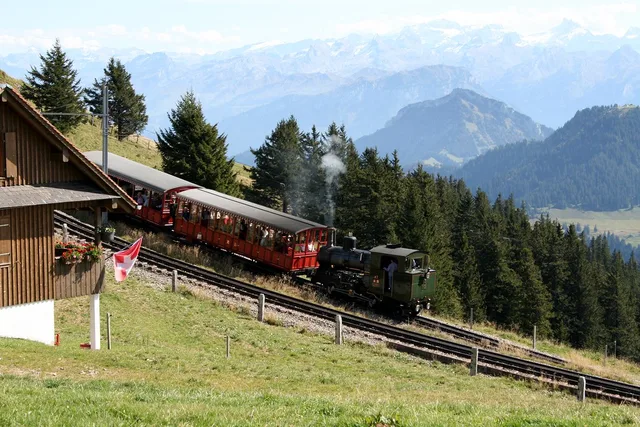
I recommend checking the local weather specifically for your target altitude rather than relying on valley forecasts.
- What should be in my Swiss mountain train checklist?
- How do I manage the terrain during my Swiss mountain trip prep?
- What are the essentials for my Jungfraujoch trip essentials?
The same subject is also called Swiss Alps train packing list.
This part also covers What to pack for Jungfrau.
This part also covers Swiss mountain train tips.
This part also covers Alps railway travel gear.
What to pack for Jungfrau
Related
- Swiss mountain train route guide: How to choose best routes
- Swiss Pass vs Half Fare Card: Best tips for travel
How do I prepare for the specific conditions of the Swiss Alps?
You must prepare for the specific conditions of the Swiss Alps by accounting for the high density of four-thousanders and the vastness of the terrain. Because the Alps cover a large portion of the country, you should prepare for significant verticality.
- Assess the altitude to anticipate the 0.56 °C temperature drop per 100 m. 2. Verify digital connectivity based on the high internet usage rates in Switzerland. 3. Pack layers to manage the transition between the valley and the subalpine zone.
Comparing the transit times shows that while some regions are close to cities, others like the Engadine require much longer journeys. You should plan for these durations when selecting routes like the Glacier Express.
What cautions should I observe regarding the vastness of the Alps?
- Recognize that the Alps cover 60% of Switzerland's total surface area, indicating widespread mountainous conditions. 2. Understand that even though Switzerland holds a small percentage of the total Alps area, its internal density of four-thousanders is high. This density mandates careful gear selection.
The sheer scale of the Alps requires travelers to anticipate prolonged exposure to varied conditions. When preparing for the Alps, remember that the terrain is consistently steep and demanding across the region.
The transition between altitudinal zones within the Alps is swift, meaning gear must accommodate extremes. You must always check the local weather specific to your intended altitude when navigating the Alps.
How does the density of high peaks affect my trip planning?
The concentration of four-thousanders within Switzerland is substantial, as the country contains 48 out of 82 alpine four-thousanders. This high concentration implies that the terrain encountered throughout the Alps will be consistently challenging.
Because the Alps cover a large segment of the nation, vertical movement is a constant factor in the trip. You should plan for significant verticality whether you are walking or utilizing rail transport through the Alps.
When reviewing the Alps, consider that the high density of these peaks contributes to the rapid and dramatic climate shifts you will experience. The landscape itself presents a demanding environment for any traveler.
The comparison between local conditions and general forecasts shows that relying on valley predictions for the Alps is insufficient for accurate preparation.
Comments 0