Swiss Alps 5 day plan: Tips for mountain views best
"The mountains call, but the logistics dictate the journey."
This Swiss Alps 5 day plan provides a structured route through Interlaken and Zermatt to maximize your mountain views. Travelers should prioritize a Swiss Pass for regional rail flexibility while noting that this itinerary is best suited for those staying in major hubs.
You will learn how to balance high-altitude excursions with efficient transit.

* A logical route connecting Interlaken and Zermatt. * How to utilize the Swiss Pass for mountain railways. * Key destinations like Jungfraujoch and Gornergrat.
What is the best Swiss Alps 5 day plan?
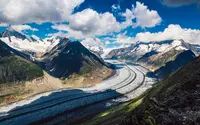
The sun rises over the Eiger North Face as you check your transit schedule in Interlaken. A successful Swiss Alps 5 day plan typically begins with a base in the Bernese Oberland to access the Jungfrau region. From there, you move toward the Valais Alps to witness the Matterhorn.
According to World Bank data, Switzerland recorded international tourist arrivals of 11,818,000 in 2019.
This itinerary focuses on maximizing time spent at high altitudes rather than in transit. You should divide your time between the scenic valleys of Interlaken and the steep slopes of Zermatt.
This specific route ensures you experience both the greenery of the Bernese Oberland and the rugged peaks of the Valais.
I remember sitting on a wooden bench in Interlaken, watching the trains wind through the valley, realizing how much easier the journey becomes with a pre-planned route.
- Explore the Jungfrau region for scenic views.
- Visit Zermatt to see the Matterhorn.
- Cruise around Lake Lucerne.
How to use the Swiss Pass for your trip?
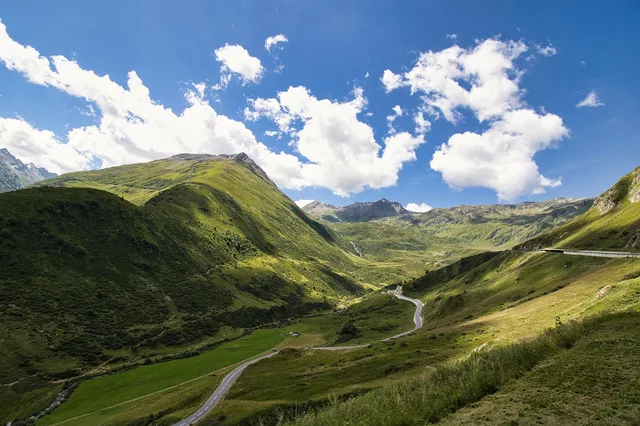
You stand at a ticket counter in a bustling station, holding a digital pass on your smartphone. The Swiss Pass serves as your primary tool for navigating the complex network of mountain railways and local buses.
It simplifies the logistics of a mountain vacation itinerary by removing the need for individual tickets on many routes.
While the pass covers extensive rail travel, it is essential to check which specific mountain excursions require a supplemental fee. Many high-altitude railways offer discounts rather than full coverage.
Using the pass allows for spontaneous changes to your schedule if the alpine weather shifts unexpectedly.
I find that the second step is the most time-consuming.
How to organize your mountain vacation itinerary?
You walk through a village filled with traditional chalets, checking your map for the next ascent. To manage a 5-day trip effectively, you must coordinate your mountain excursions with your base locations.
- Base your first two days in Interlaken to explore the Jungfrau region. 2. Travel to Zermatt for the final three days to focus on the Matterhorn. 3. Verify that your rail connections align with your hotel check-in times.
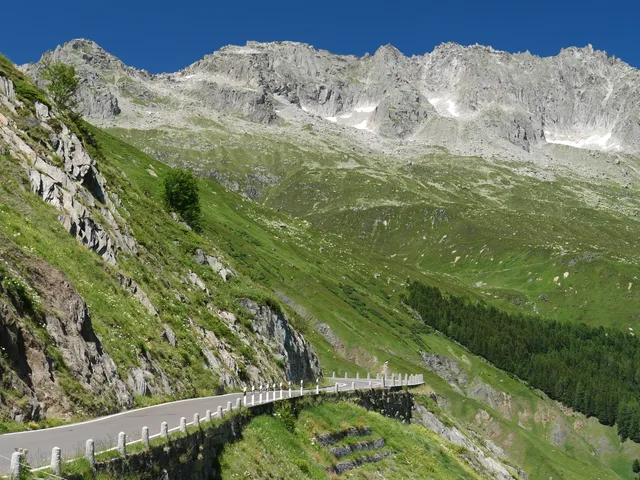
Always check the local weather forecast before committing to a high-altitude ascent.
| Region | Primary Focus | Key Landmark |
|---|---|---|
| Bernese Oberland | Jungfrau Region | Jungfraujoch |
| Valais | Zermatt Region | Gornergrat |
How can you manage Swiss Pass cost comparison?
You sit in a quiet cafe, comparing the price of a single-day pass against the cost of individual tickets. A Swiss Pass cost comparison helps determine if your specific itinerary justifies the upfront investment.
This is particularly relevant if you plan to use many mountain railways or long-distance trains.
The value of a pass depends heavily on the frequency of your travel and the specific mountain excursions you intend to take. For a 5-day trip, the pass provides significant ease of use for regional transport. However, it does not cover every single mountain lift or high-altitude cogwheel train.
What are the Alpine travel schedule considerations?
The morning mist clings to the valley floor as you prepare for an early start. An Alpine travel schedule must account for the limited operating hours of certain mountain railways and the rapid changes in high-altitude weather.
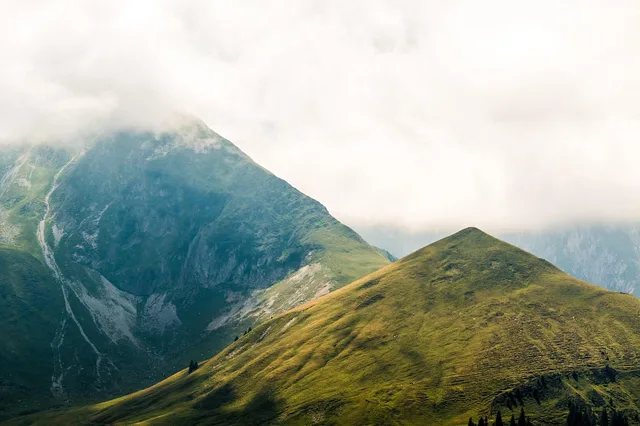
The complexity of the terrain means that transit times can vary based on the specific rail line used. You must plan for early departures to catch the clearest views at the summits. This itinerary assumes travelers have already secured their primary transportation passes.
The same subject is also called Alps trip 6 day guide.
The same subject is also called Swiss Pass advice.
This part also covers High altitude travel tips.
Related
- Alps glacier weather tips: How to master terrain best
- Jungfrau versus Matterhorn: How to best plan your trip
How do the mountains influence your transit choices?
The mountains dictate the complexity of your travel schedule. You must compare the convenience of a Swiss Pass against the cost of individual tickets to determine the best approach for your specific route.
This comparison is vital when deciding whether to invest in a pass for the regional rail flexibility required in the Bernese Oberland and Valais.
- Compare the cost of a Swiss Pass against individual tickets. 2. Check for supplemental fees on high-altitude railways. 3. Coordinate rail connections with hotel check-in times.
If the weather shifts unexpectedly, the Swiss Pass allows for spontaneous changes to your schedule. However, you should always check the local weather forecast before committing to a high-altitude ascent to avoid being caught in rapid changes in high-altitude weather.
How can you maximize the mountain views?
You should prioritize high-altitude excursions to see the peaks. To achieve this, you must coordinate your mountain excursions with your base locations. This ensures you spend time at the summits rather than in transit.
The mountains call to those who plan for early departures. You must account for the limited operating hours of certain mountain railways to ensure you reach the summits for the clearest views. This requires checking the local weather forecast before committing to a high-altitude ascent.





Comments 0