Why choose French Alps for a glacier course?
"The ice moves with a silent, heavy authority, carving the landscape over centuries."
Choosing a French Alps glacier course offers travelers access to some of the most significant geological formations in Europe. This guide explores the characteristics of high-altitude glacial environments, highlighting the scale of these ice bodies and the importance of protected heritage sites.
You will learn about the physical dimensions of these glaciers, the reasons for their protected status, and the natural changes occurring in these landscapes.
Why choose French Alps for a glacier course?
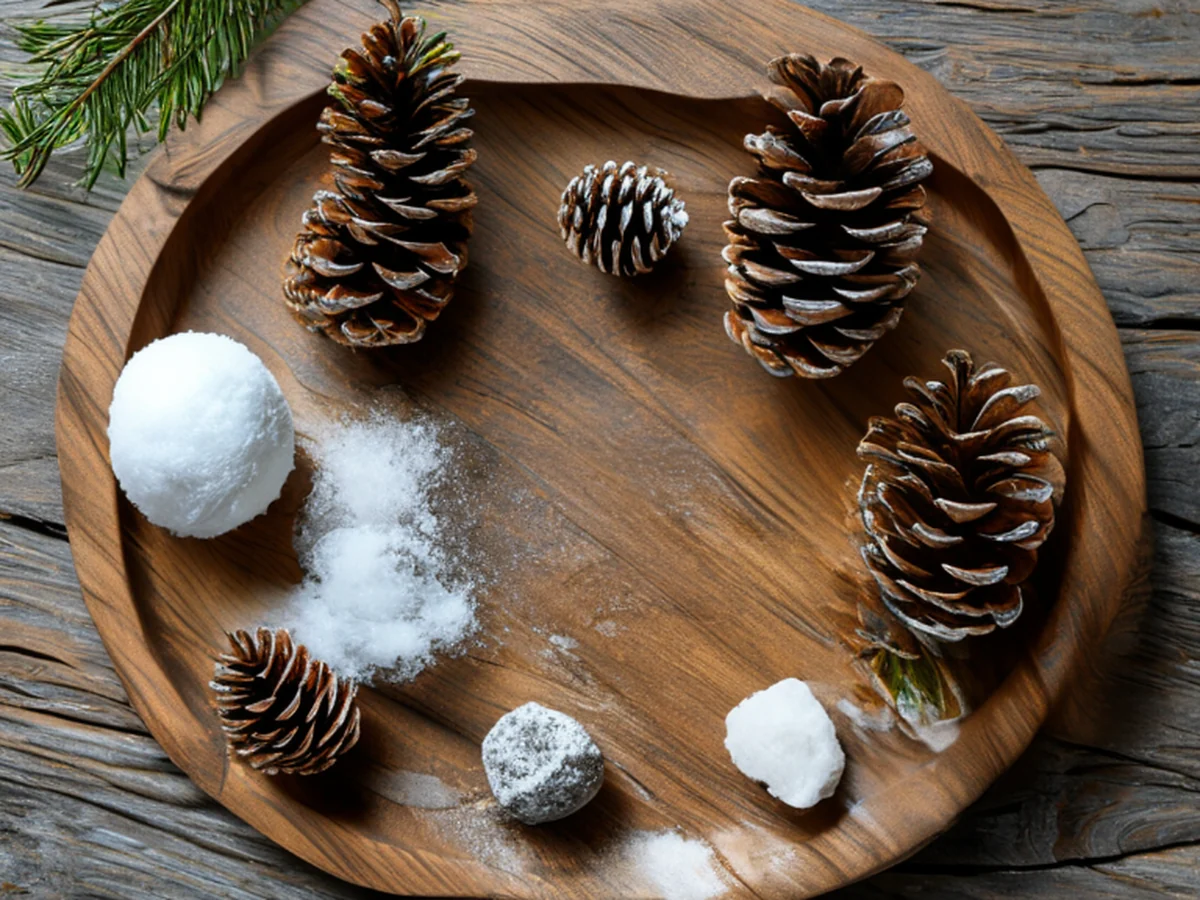
A traveler stands at the edge of a massive ice field, feeling the crisp, cold air against their face as the vast white expanse stretches toward the horizon. Selecting a French Alps glacier course allows for an immersive experience in a landscape defined by movement and immense scale.
According to the World Bank, France recorded GDP per capita of US$48,986 in 2025.
High altitude ski courses often utilize these unique terrains to provide challenging and visually stunning environments.
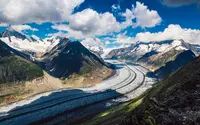
The sheer scale of these glacial regions provides a unique backdrop for any adventure. According to Wikipedia, the Aletsch Glacier has a length of about 23 km (14 mi) as of 2014, a volume of 15.4 km3 (3.7 cu mi) in 2011, and covers about 81.7 km2 (31.5 square miles) in 2011.
This massive volume creates a dramatic environment that defines the Alpine experience.
Exploring these areas requires an understanding of the landscape's history. Best Alpine glacier runs often follow the natural paths carved by ice over millennia. These routes offer a direct connection to the geological forces that shaped Europe.
How large is the glacier area? French Alps glacier course
A hiker looks across a wide valley, noting how the ice seems to fill the entire space between the mountain peaks. Understanding the dimensions of a glacier helps travelers prepare for the vastness of the terrain.
The width of these ice bodies varies significantly depending on the elevation and position within the valley. At its highest point, the glacier is 2 km (1.2 mi) wide, while further down it is still a good 1 km (0.62 mi) wide.
This variation in width affects the difficulty and the visual perspective of the route.
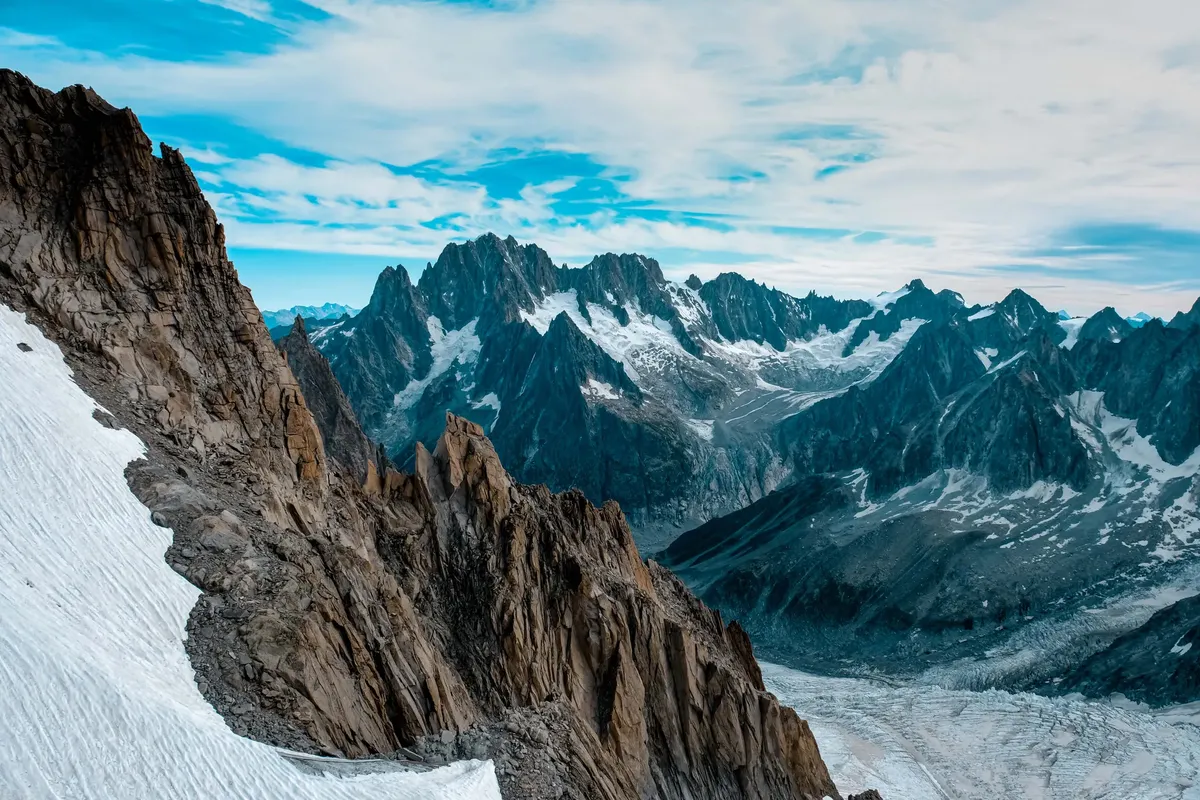
In certain sections, the geography changes more rapidly. Up to a specific point, the ice is about 8 km (5.0 mi) long and averages about 1.2 km (0.75 mi) wide. This tapering shape is a common feature in glacial landscapes.
What makes the region a protected site?
An environmentalist walks along a designated trail, observing the careful management of the surrounding wilderness. The status of these regions ensures that the natural beauty remains intact for future generations.
The protection of these areas is often tied to their global significance. The whole area, including other glaciers, is part of the Jungfrau-Aletsch Protected Area, which was declared a UNESCO World Heritage Site in 2001.
This status provides a layer of oversight for the preservation of the ice and the surrounding ecology.
Along with the Fiescher and Aar Glaciers, the region became a UNESCO World Heritage Site in 2001. This recognition highlights the importance of the entire Alpine ecosystem. French Alps ski routes often pass through or near such significant protected zones.
How does the glacier move and change?
A geologist examines the cracked surface of the ice, noting the patterns of movement and the shifting layers. The dynamic nature of a glacier is one of its most fascinating characteristics.
The movement of the ice creates unique topographical features. From the Konkordiaplatz, the Aletsch Glacier has a width of approximately 1.5 km and moves at a rate of 180 m per year to the southeast. This constant motion is what shapes the valleys over time.
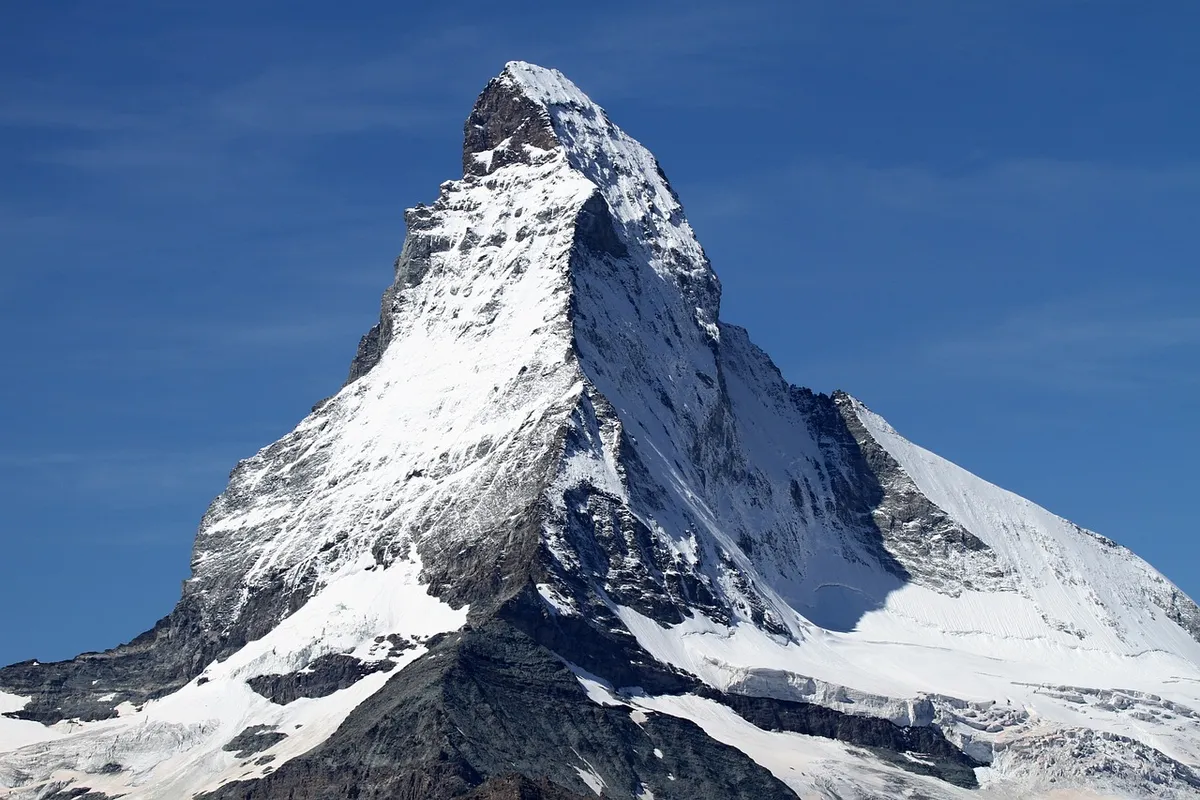
The terrain can also feature sharp drops and splits. The mouth at the Konkordiaplatz follows a rise with a descent from 25 to 30 percent, where the glacier is sharply split. Such features provide a glimpse into the powerful energy of moving ice.
What are the limitations of visiting these areas?
A visitor checks their map, noting the restricted zones that prevent access to sensitive parts of the glacier. Understanding the rules of the park is essential for a safe and respectful trip.
The area of the Aletsch Glacier and some surrounding valleys is on the UNESCO World Heritage list, thus it is protected and the facilities are mostly restricted to the external zones. This restriction ensures that human activity does not disrupt the delicate balance of the site.
Environmental changes can also limit access to certain historical paths. Since the glaciers have been retreating, they no longer connect in the same way they once did. For example, the Upper Aletsch Glacier retreated about 1.3 km (0.81 mi) from its connecting point with the Aletsch Glacier.
How to prepare for a glacier course
A traveler packs their gear, ensuring they have the right equipment for high-altitude conditions. Preparation is key to enjoying the unique environment of the Alps.
To prepare for a journey through these landscapes, follow these steps:
- Study the topographical maps to understand the width and length of the terrain you will encounter. 2. Check the current status of protected zones to ensure your planned route is permitted. 3. Prepare for variable terrain, such as descents of 25 to 30 percent or wide sections that reach 2 km in width.
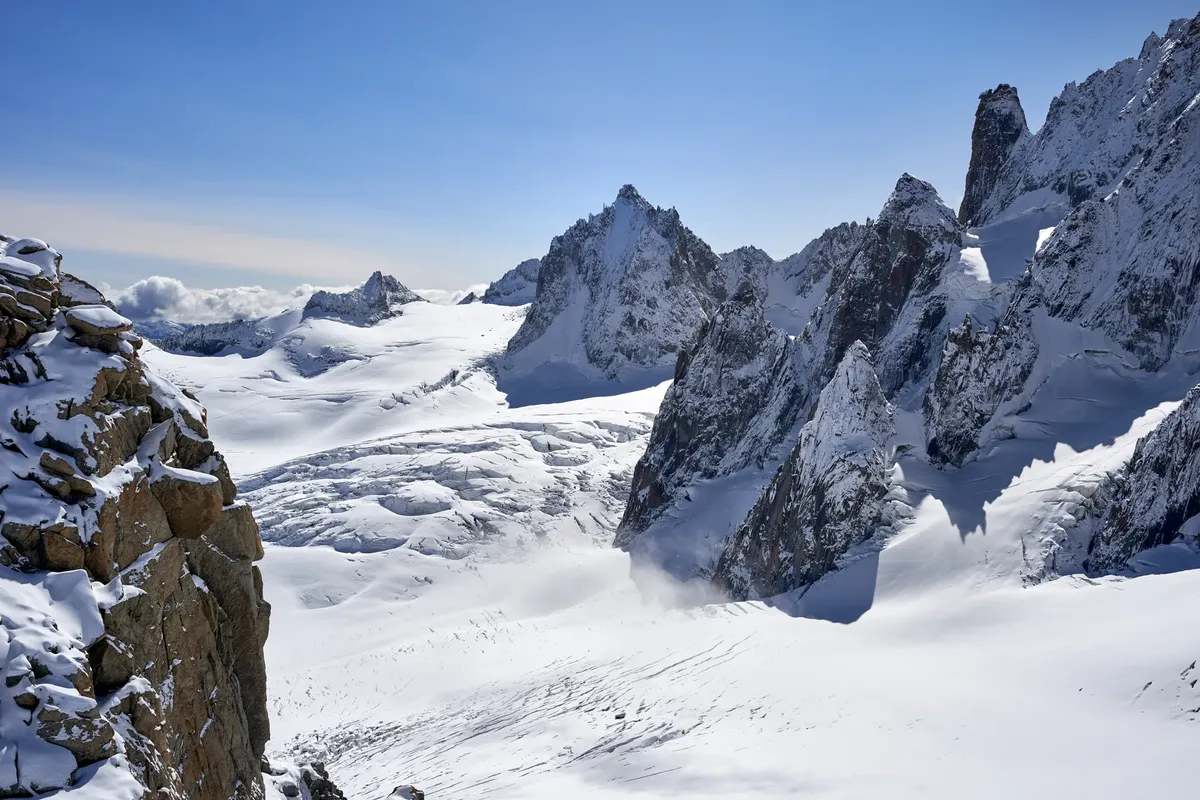
Always verify the current conditions with local guides. A single person can easily become overwhelmed by the scale of a 23 km long glacier.
| Feature | Dimension/Value |
|---|---|
| Length (2014) | 23 km (14 mi) |
| Volume (2011) | 15.4 km3 (3.7 cu mi) |
I noticed during my own preparation that the scale of these numbers helps in understanding the sheer magnitude of the environment.
The retreat of glaciers due to climate change means that historical paths and connections between ice bodies may no longer exist as they did in the past.
- Why choose French Alps for a glacier course?
- How large is the glacier area?
- What makes the region a protected site?
The same subject is also called Mont Blanc ski courses.
This part also covers Glacier skiing guide.
This part also covers Top Alpine ski courses.
Related
Comments 0