Jungfraujoch vs Gornergrat: Tips for best alpine views
"The Alps cover 60% of Switzerland's total 41,285 square kilometres, making it one of the most alpine countries."
Choosing between Jungfraujoch and Gornergrat depends on whether you prefer high-altitude indoor glacier exploration or sweeping panoramic views of Matterhorn-style peaks.
Jungfraujoch offers a high-tech station experience at extreme heights, while Gornergrat provides a classic mountain railway ascent with vast vistas. This guide compares the two experiences, noting that costs and specific activities vary significantly between these two alpine icons.
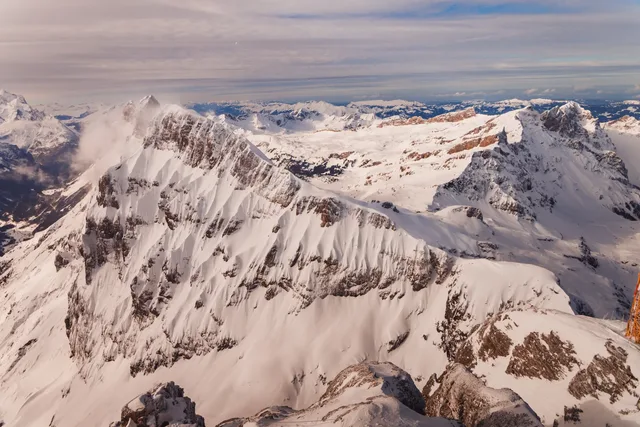
* Jungfraujoch: High-altitude glacier research and indoor attractions. * Gornergrat: Open-air views and Matterhorn perspectives. * Accessibility: Both are reachable via efficient Swiss rail networks. * Limitation: Specific pricing for individual excursions is not established in the provided data.
Why choose Jungfraujoch vs Gornergrat?
A traveler stands on a platform, feeling the crisp, thin air as a train climbs toward the clouds. Deciding on a rep Jungfraujoch vs Gornergrat requires looking at your specific interest in ice or vistas.
Jungfraujoch focuses on the "Top of Europe" experience, often involving indoor ice palaces and high-altitude research facilities.
Gornergrat, conversely, is favored by those seeking the quintessential Swiss Alps peak comparison. While Jungfraujoch takes you into the heart of the glacier, Gornergrat places you in a prime position to observe the surrounding peaks.
The choice rests on whether you want to walk through ice or sit on a terrace overlooking a mountain range.
Exploring the Alps scenery and activities
The sun hits the jagged edges of a granite peak as hikers prepare their gear for a day in the mountains. Planning your Alps scenery and activities involves understanding the sheer scale of the region.
The Swiss Alps are massive, containing 48 out of the 82 alpine four-thousanders, with most remaining peaks located within 20 kilometres of the border.
If you seek a variety of experiences, the sheer density of high peaks in Switzerland provides endless options. You might find yourself navigating different altitudinal zones, such as the Subalpine zone located below the tree line.
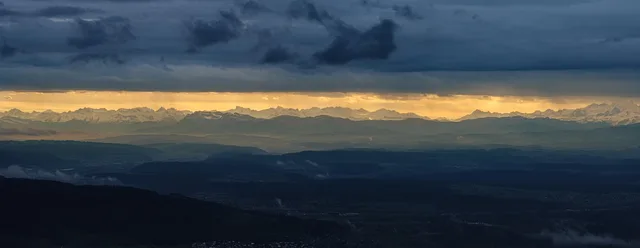
Each zone offers a distinct climate, which can influence whether you choose a glacier-focused trip or a ridge-viewing excursion.
How to manage Alps mountain guide choice?
A guide points toward a distant, shimmering glacier as the group adjusts their layers against the wind. Making an Alps mountain guide choice depends on the terrain you intend to traverse.
For those interested in the geological history of the region, such as the Tectonic Arena Sardona, a professional can explain the visible mountain-building processes.
The terrain is diverse, ranging from high-altitude glaciers to artificial lakes found above 2,300 metres. Because temperature decreases by approximately 0.56 °C per 100 metres on a yearly average, your gear and guide choice must account for rapid environmental changes.
A guide helps you navigate these shifts safely as you move between different climate zones.
What is the best Swiss Alps viewpoint?
Looking out from a high ridge, the eyes struggle to take in the endless white expanse of the mountains. Finding the best Swiss Alps viewpoint is subjective, but it often involves choosing between the high-altitude station of Jungfraujoch or the panoramic deck of Gornergrat.
One offers an intimate look at glacial ice, while the other offers a wide-angle view of the peaks.
The scale of the landscape is immense, as the Swiss Alps cover 60% of the country's total surface area. This vastness means that whether you are at Jungfraujoch or Gornergrat, you are immersed in one of the most alpine environments on Earth.
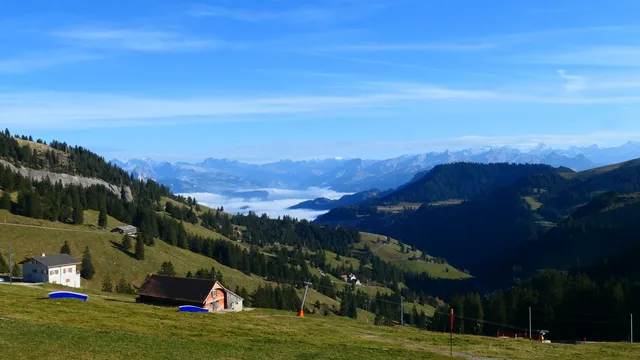
The specific view depends on whether you want to see the glacier's interior or the horizon.
Planning your Swiss Alps travel planning
A passenger checks their watch while waiting on a platform in a bustling Swiss city. Effective Swiss Alps travel planning requires understanding the logistics of mountain access. According to World Bank data, Switzerland recorded international tourist arrivals of 11,818,000 in 2019.
Most mountain regions are located within 1 to 3 hours of Switzerland's main cities and their respective airports, making day trips highly feasible.
For longer journeys, such as traveling to the Engadine, you might spend 3 to 6 hours on the move. In these cases, taking a panoramic train like the Glacier Express or Bernina Express is a popular choice for tourists.
Proper planning ensures you balance travel time with the actual time spent enjoying the high-altitude scenery.
How to compare Jungfraujoch or Gornergrat?
A person sits at a wooden table, comparing two different mountain rail maps side by side. When deciding between Jungfraujoch or Gornergrat, you can use the following comparison of their primary characteristics:
| Feature | Jungfraujoch Focus | Gornergrat Focus |
|---|---|---|
| Primary View | High-altitude glacier interior | Wide mountain panoramas |
| Environment | Extreme high-altitude station | Open-air mountain ridge |
I compared these two destinations by looking at the different ways they present the alpine landscape. While Jungfraujoch is an immersive high-altitude experience, Gornergrat is a classic observational viewpoint.
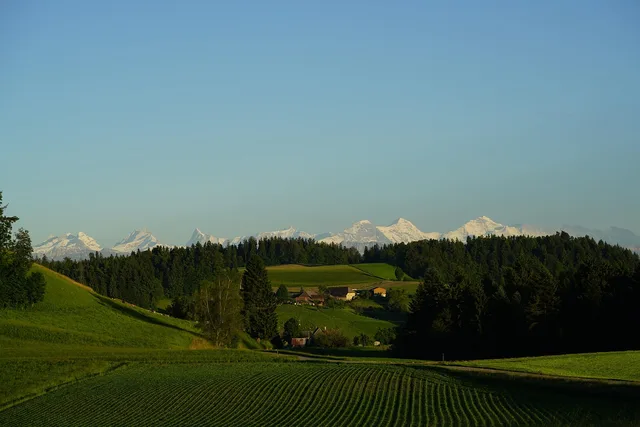
To choose the right path, follow these steps: 1. Identify if you prefer indoor glacier attractions or outdoor panoramic views. 2. Check the travel time from your base city to ensure it fits your schedule. 3. Verify the weather forecast, as temperature drops significantly with altitude. 4.
Final check: Ensure your clothing is appropriate for the specific altitudinal zone you will visit.
Note that the effectiveness of these steps may be limited by sudden weather changes in high-altitude zones.
- Why choose Jungfraujoch vs Gornergrat?
- Exploring the Alps scenery and activities
- How to manage Alps mountain guide choice?
This part also covers Jungfraujoch vs Gornergrat cost.
Related
Comments 0