Austrian mountain train journey: Alpine train ride Austria
"The history of rail travel often lives in the narrow gauge of the past, preserved by those who value the weight of iron and wood over the speed of modern transit."
An Austrian mountain train journey offers a unique connection to heritage through specialized narrow gauge tracks and historic engineering. This guide explores why these vintage climbs remain popular, how to prepare for the ascent, and what to expect from these winding routes.
Why choose an Austrian mountain train journey?
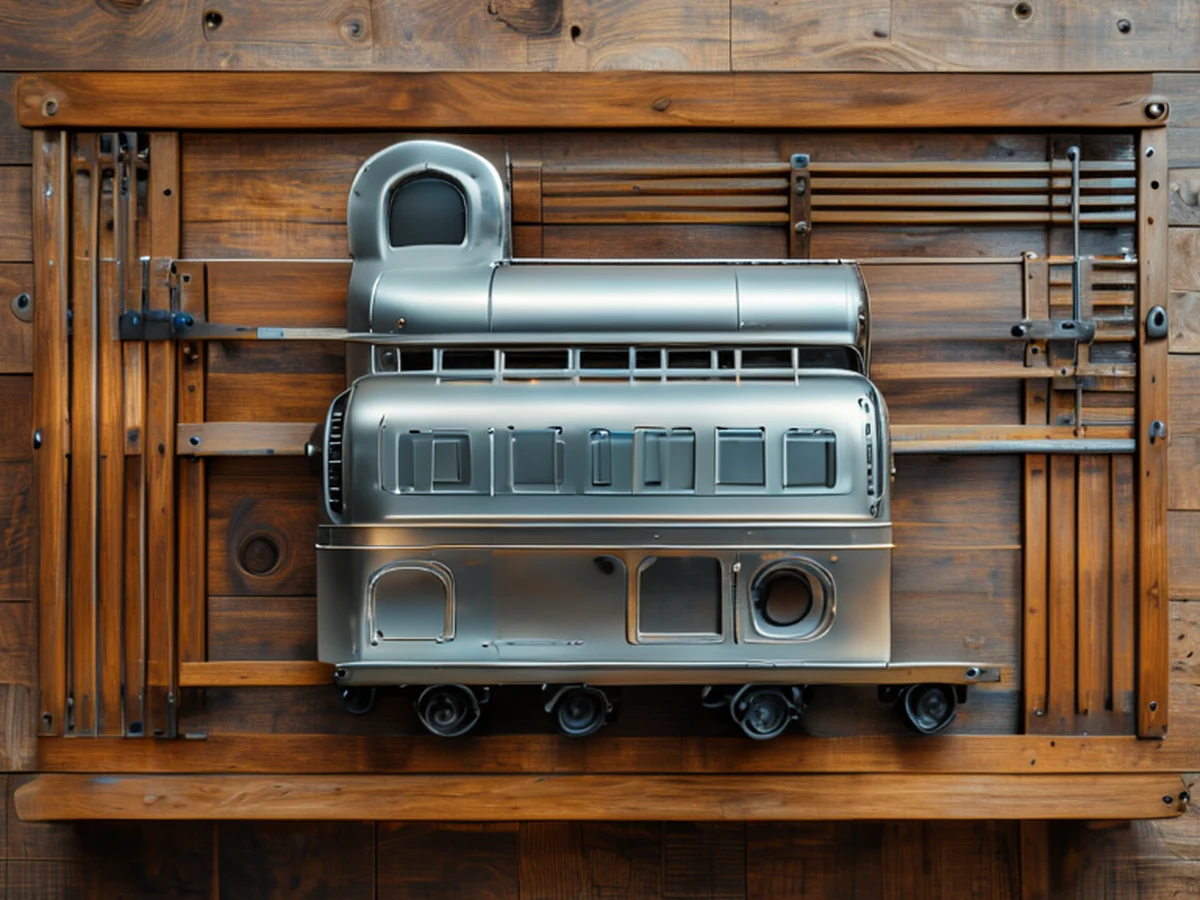
A passenger sits by a window, watching the steep incline of a mountain pass as the rhythmic clatter of the rails fills the cabin. Choosing an Austrian mountain train journey often depends on the desire to experience historical engineering and the slow, deliberate pace of vintage travel.
These routes provide a window into how mountainous terrain was once navigated using specialized equipment. Such travels allow passengers to witness rugged landscapes that remain inaccessible to larger, modern transport systems.
The slow movement provides a meditative quality that high-speed rail cannot replicate.
An Alpine train ride Austria remains a favorite for those seeking a vintage atmosphere. The narrow tracks and specialized engines provide a sense of traveling through a living museum. This type of travel focuses on the scenery and the mechanical soul of the locomotive.
Traveling by rail offers a front-row seat to the dramatic shifts in altitude and scenery that road travel often misses.
How does the history of narrow gauge rail affect the ride?
A hand rests on a cold metal railing as the train curves sharply around a granite ledge. The history of these lines is often tied to the specific constraints of the terrain they inhabit.
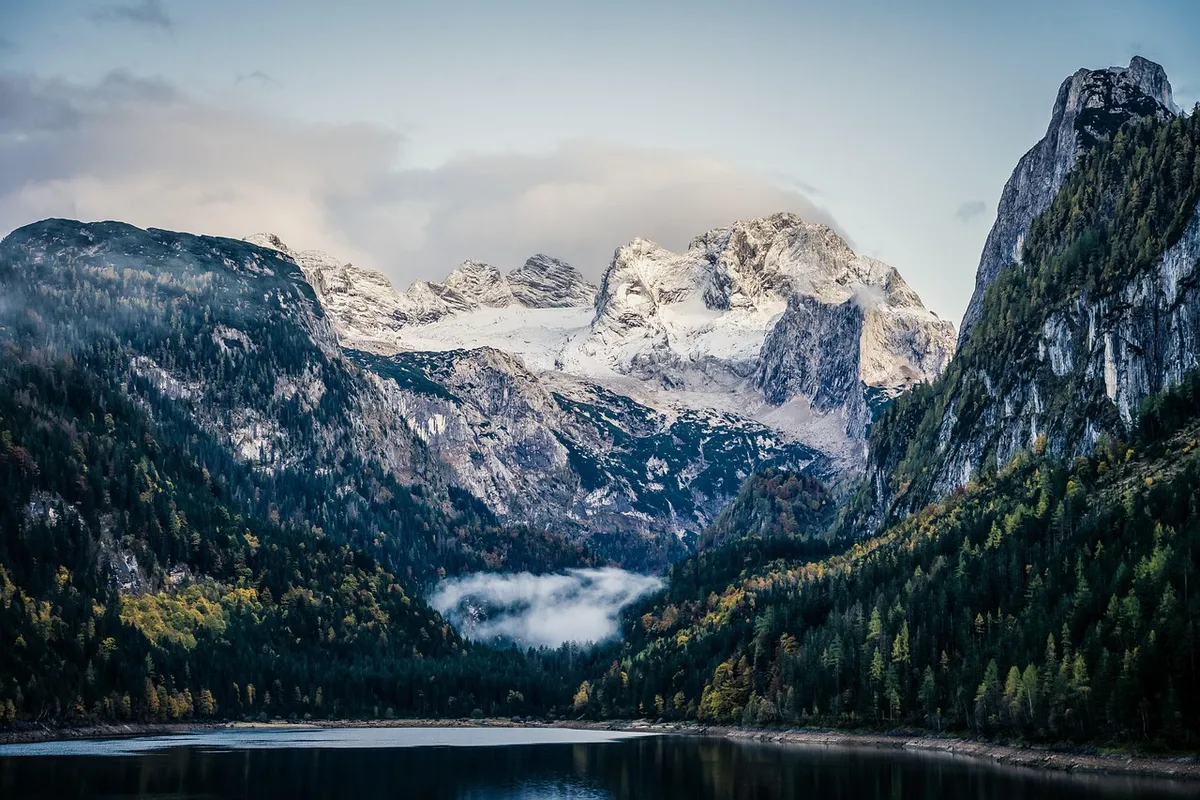
Many mountain railways utilize narrow gauge tracks to handle tight turns and steep gradients. This technical approach was essential for traversing the winding paths of the Alps. Travelers can observe the specific way the carriages lean into the curves, a characteristic of these vintage systems.
An Innsbruck mountain
Innsbruck mountain railway
offers a glimpse into how these engineering solutions were implemented in high-altitude regions. The specialized tracks allow for a much tighter turning radius than standard rail.
This ensures the train can follow the natural contours of the mountain.
The tighter curves and steeper grades characteristic of narrow gauge tracks create a more intimate, winding journey through the mountains.
According to World Bank, the 2025 record includes 97.3%.
What should you look for in a historic tour?
A traveler checks their watch, noting the slow but steady progress toward the summit. A historic mountain railway tour focuses on the preservation of these unique mechanical systems.
When selecting a route, passengers should look for lines that maintain original rolling stock and authentic signaling systems. These elements contribute to an immersive experience of the past. The mechanical sounds and the vibration of the floorboards are parts of the sensory journey.
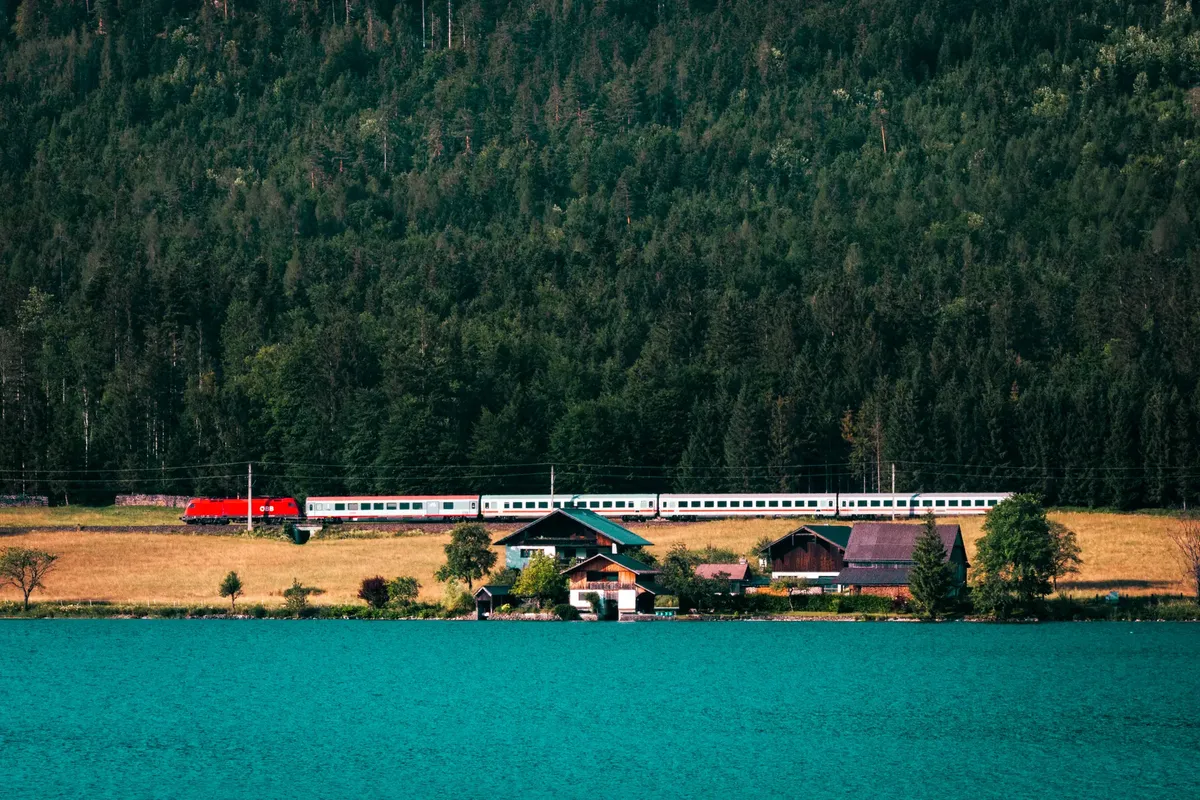
The Hallstatt train high course is often sought after for its dramatic elevation changes and classic scenery. It represents the intersection of natural beauty and human ingenuity. Such routes provide a sense of adventure through their unique technical requirements.
- Authentic vintage rolling stock.
- Guides with deep local historical knowledge.
- Routes that follow original mountain paths.
How to prepare for an Alpine views train travel experience?
A passenger adjusts a heavy coat as the temperature drops while the train climbs higher into the clouds. Preparing for an Alpine views train travel experience requires an understanding of the environment and the specific conditions of the vintage carriages.
According to World Bank data, Switzerland recorded share of internet users of 97.3% in 2025.
- Dress in layers to manage the temperature shifts between valley floors and high peaks. 2. Bring a camera with ample storage to capture the shifting mountain vistas. 3. Pack light snacks and water to enjoy during the longer, slower transit times.
I remember checking the window latch during my first ascent to ensure the view was unobstructed. This careful preparation ensures that the focus remains on the scenery rather than on discomfort.
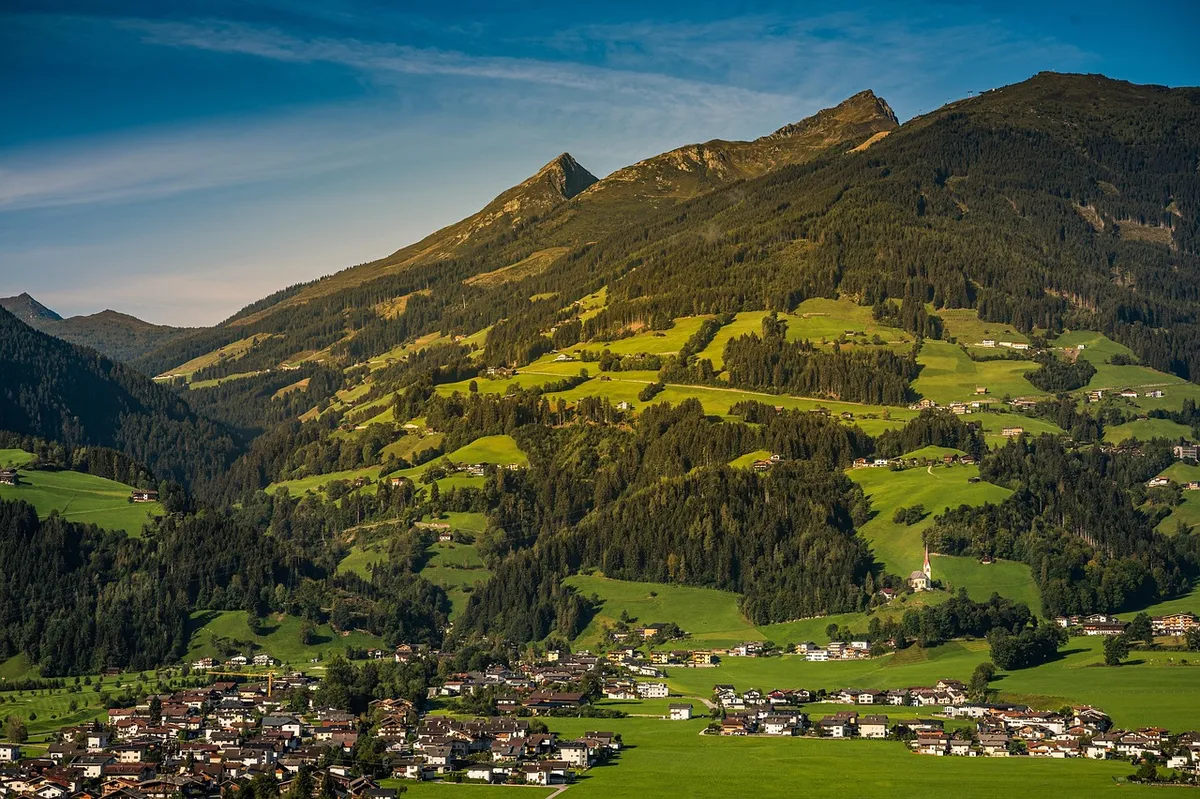
A limitation of these journeys is that the vintage nature of the equipment means they are often subject to weather-related delays or slower transit times compared to modern rail.
In this sequence, the second step is the most significant.
Wikipedia: Descanso, Alpine and Pacific Railway Based on the retained excerpt mentioning Pacific Southwest Railway Museum: The Descanso, Alpine and Pacific Railway is a 2 ft (610 mm) narrow gauge heritage railroad owned and being relocated by the Pacific Southwest Railway Museum in Campo, California.
The same subject is also called Salzkammergut mountain train.
This part also covers Scenic high altitude train.
Related
- Why choose French Alps for a glacier course?
- Alpine Hiking: Match Trek Difficulty to Your Time Commitment
Why is the preservation of this rail history important?
The preservation of this rail history sustains the appreciation for early engineering solutions. These journeys offer a tangible link to the past, showcasing how early engineers conquered formidable geographical obstacles.
The mechanical integrity of the vintage equipment mirrors the resilience required to build these initial mountain passages.
This dedication to the original construction methods underscores the commitment to experiencing the journey as it was originally conceived. The slow speed, dictated by the constraints of the narrow gauge, forces a deeper engagement with the surrounding environment.
For enthusiasts, the journey itself becomes a living document of engineering adaptation. The specific constraints of the Alps demanded ingenious solutions, and the train faithfully reproduces that struggle against the terrain.
Maintaining these lines ensures that future generations can experience the engineering marvels of the past firsthand.
Comments 0