Alps budget food plan: Guide to saving while traveling
"Managing food costs in the high-altitude regions of Europe requires a strategic approach to local shopping and meal planning."
An Alps budget food plan focuses on utilizing local grocery resources and smart meal preparation to balance high regional prices with nutritional needs. This guide provides practical methods for managing daily expenses, including grocery shopping strategies and picnic preparation.
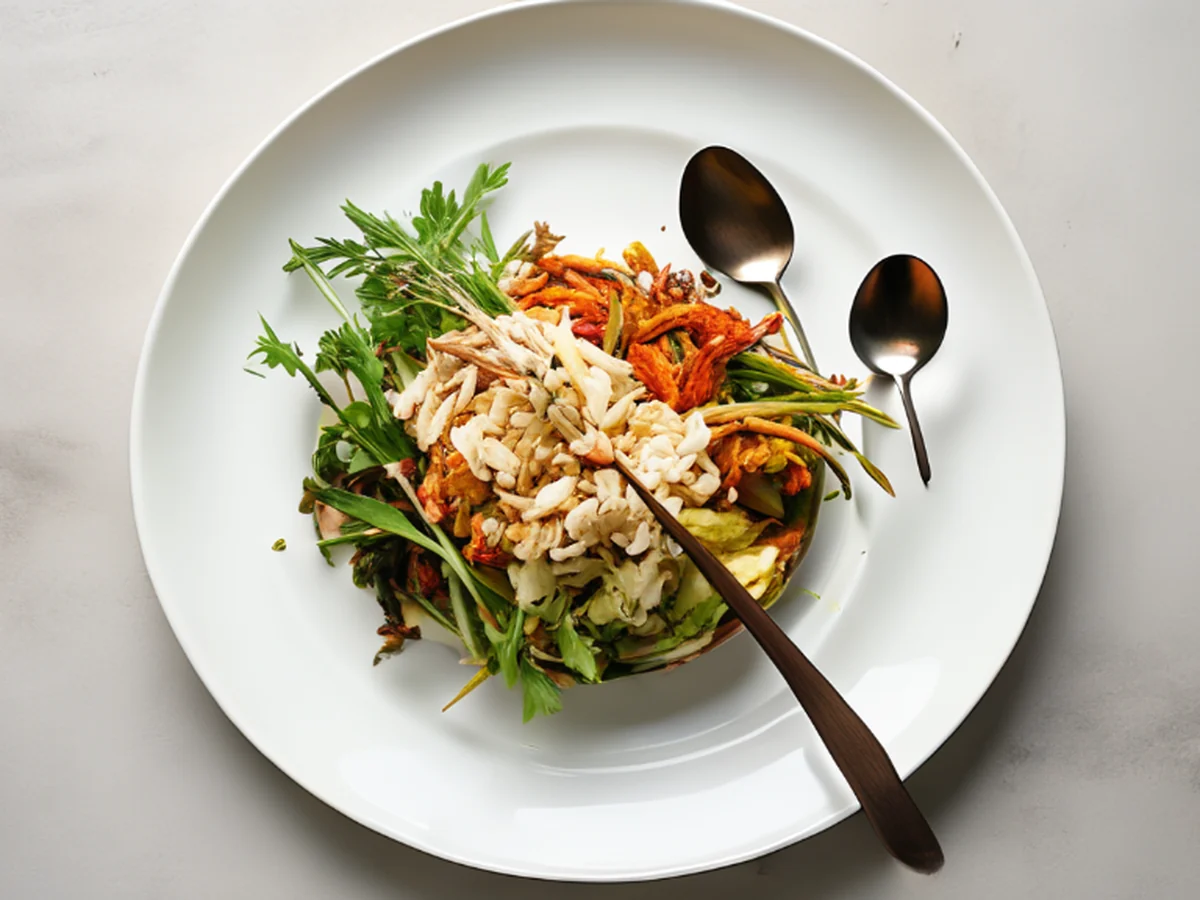
Travelers should note that food costs can vary significantly based on whether one chooses mountain-top dining or local markets.
How to manage an Alps budget food plan?
A traveler stands in a bright Swiss supermarket, scanning the shelves for fresh local goods. Developing an Alps budget food plan involves prioritizing local grocery stores over mountain-side restaurants to keep daily spending manageable.
By purchasing staples at local markets, you can significantly reduce the daily cost of eating while still enjoying fresh ingredients. This approach allows for higher spending on unique experiences like mountain railways or tours.
A successful strategy involves selecting versatile ingredients that can be used for multiple meals. For example, buying fresh bread, local cheeses, and seasonal fruits provides a nutritious and cost-effective way to eat while traveling.
Focus on versatile ingredients that can be used across multiple meals to minimize waste and cost.
How to master grocery shopping in Europe?
As the morning sun hits the village square, I pull a heavy basket close to my chest while scanning the local market for supplies to carry back to the alps.
A shopper pushes a metal cart through a well-organized European grocery aisle, checking labels carefully. Effective grocery shopping in Europe requires understanding local supermarket layouts and peak shopping times to find the best deals.
Most European supermarkets offer high-quality fresh produce and dairy that are often much more affordable than prepared meals. You should look for local brands to save money while still tasting authentic regional flavors.
To maximize your budget, consider buying items that can be easily stored or transported. This method helps when moving between different mountain villages or staying in various accommodations.
- Visit local supermarkets instead of tourist-centric convenience stores to find better prices.
- Buy seasonal produce to ensure both quality and affordability.
- Stock up on staple items like bread, cheese, and cured meats at larger grocery chains.
According to World Bank, the 2024 record includes 37.7%.
What should I pack for my Alpine picnic?
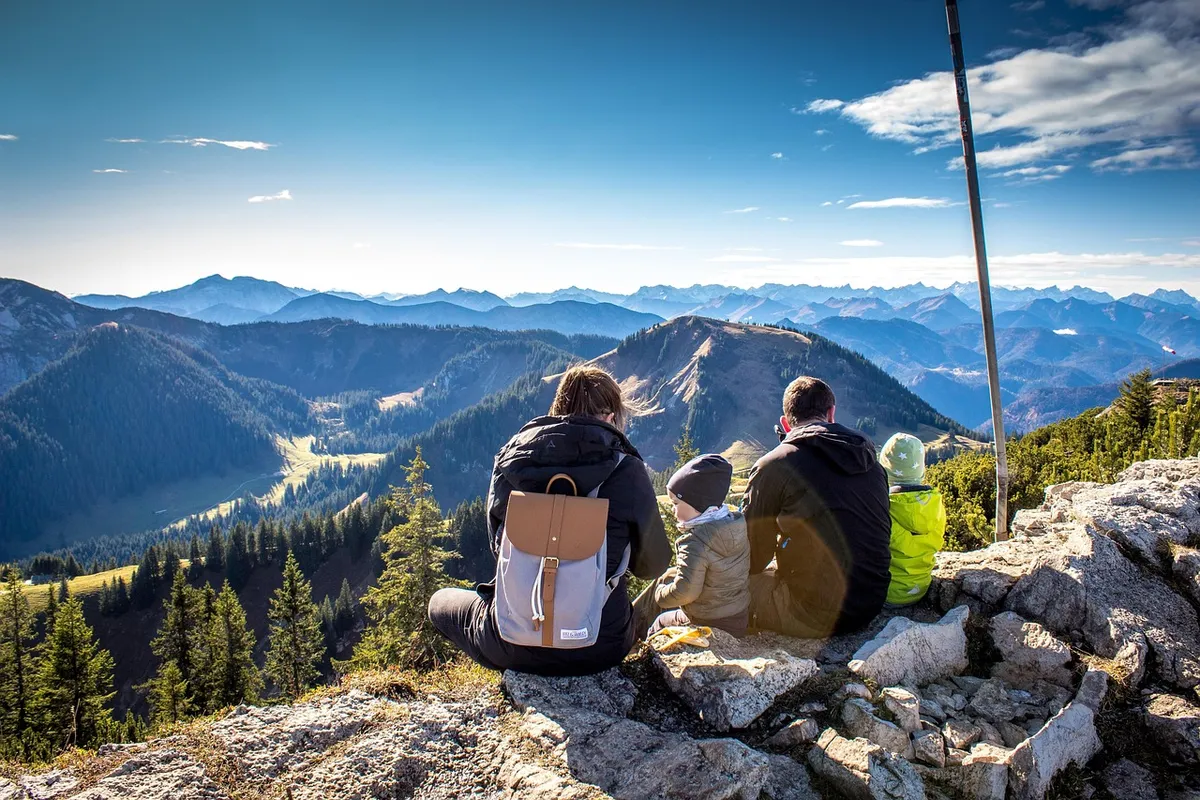
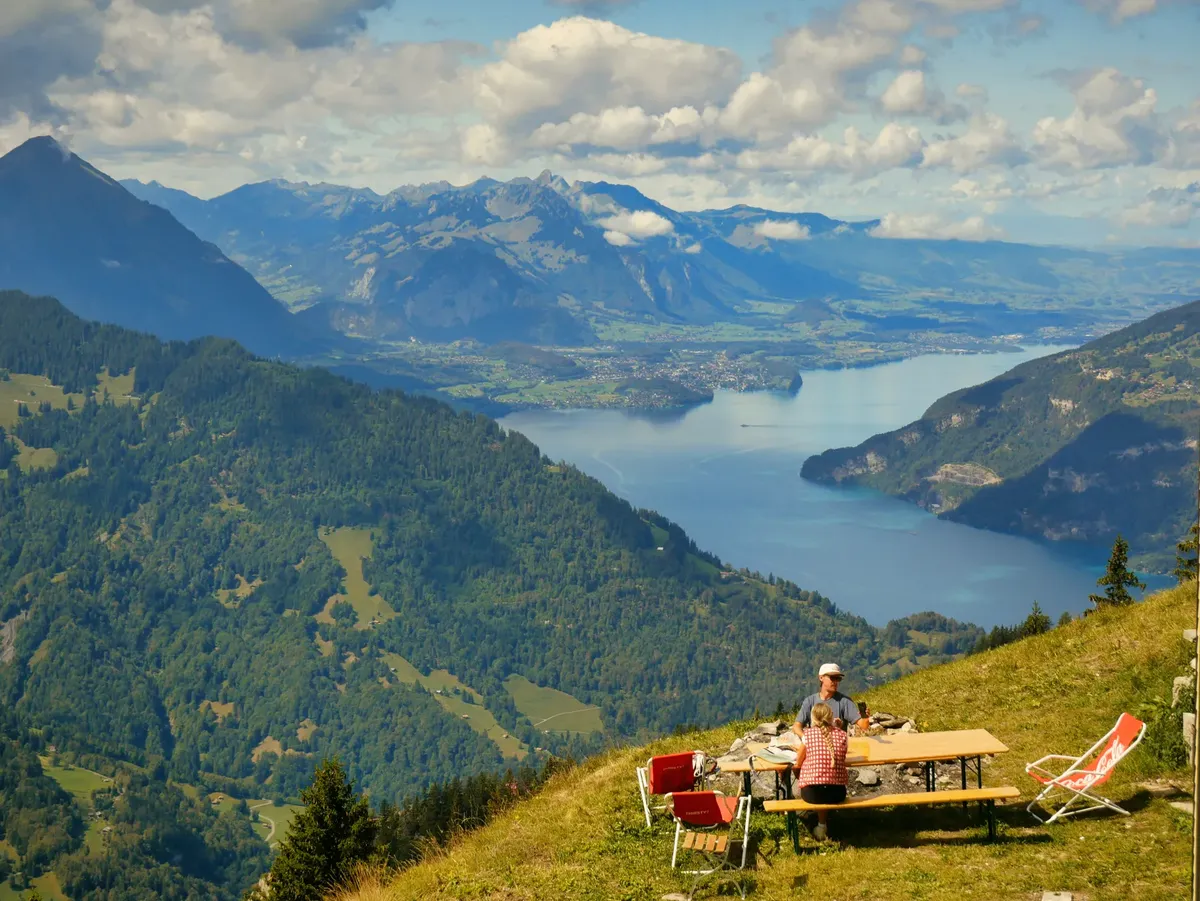
A hiker sits on a wooden bench overlooking a vast valley, opening a small paper bag. Choosing picnic ideas for Alps is an excellent way to eat while enjoying breathtaking views without the high cost of a seated meal.
Packable items like hard cheeses, cured meats, and hearty breads are perfect for a mountain lunch. These items stay fresh longer and are easy to carry in a backpack during treks.
When planning a picnic, always check the weather and availability of seating. A simple spread of local delicacies can turn a standard lunch break into a memorable dining experience.
Pack hearty, non-perishable items like hard cheeses, crusty bread, and dried fruits for easy transport.
How to handle cooking for mountain trip?
A cook prepares a simple meal in a small kitchen, chopping vegetables on a wooden board. When you are responsible for cooking for mountain trip scenarios, focus on one-pot meals and ingredients that require minimal equipment.
Using a single pot to cook grains, legumes, or pasta makes cleanup easy in limited spaces. This method is efficient for travelers staying in apartments or hostels with shared kitchens.
Always prepare ingredients that can be combined easily to save time. I found that prepping basic staples in the morning made my evening meals much more manageable during busy travel days.
Prioritize lightweight, single-pot meals that require minimal fuel and easy cleanup.
How can I save money on food?
The following table compares two common approaches to managing food expenses during an Alpine journey. According to the World Bank, Switzerland recorded an agricultural land share of 37.7% in 2024.
| Strategy | Primary Focus | Benefit |
|---|---|---|
| Grocery-Based | Local supermarket shopping | Significant cost reduction |
| Restaurant-Based | Dining at local eateries | High convenience and social interaction |
One limitation is that grocery-based strategies require more time for preparation compared to dining out.
Evaluate the trade-off between the convenience of pre-packaged meals and the cost savings of preparing fresh ingredients.
The same subject is also called Alps travel food saving.
The same subject is also called Europe mountain eating cheap.
The same subject is also called Swiss Alps budget meal.
The same subject is also called France Austria food tips.
Related
- Why choose Switzerland for an Alpine journey?
- Austrian mountain train journey: Alpine train ride Austria
Beyond the Basics of Managing Food Costs?
When comparing dining experiences, the grocery-based approach offers the most substantial control over overall managing food costs for the journey. This contrasts sharply with the restaurant-based approach, which trades upfront cost control for immediate convenience and social ambiance.
For travelers whose primary goal is minimizing financial outlay, the initial investment in planning meals through local markets pays dividends throughout the trip. This careful selection of ingredients allows for flexibility in execution, unlike the fixed prices encountered in mountain-side dining.
Therefore, the successful management of food costs hinges on matching the activity's goal—whether it is maximizing savings or maximizing immediate experience—to the chosen procurement method.
Consider the long-term value of investing in high-quality reusable containers and durable outdoor cooking gear.
When is the best time to shop for groceries?
Shoppers should check the local market schedules to align their visits with periods offering the most favorable pricing. Visiting during off-peak hours, as suggested by the supermarket environment, allows for a less rushed selection process.
This timing consideration helps maximize the purchasing power of the budget allocated for Managing food.




Comments 0