Swiss Pass vs Half Fare Card: Best tips for travel
"Choosing between a Swiss Pass and a Half Fare Card depends entirely on your specific itinerary and the frequency of your travel across the mountain railways."
To decide between a Swiss Pass and a Half Fare Card, you must compare the fixed cost of the pass against the cumulative savings of individual half-price tickets.
This guide helps travelers determine if high-frequency transit justifies the upfront pass cost or if paying for specific segments is more efficient.
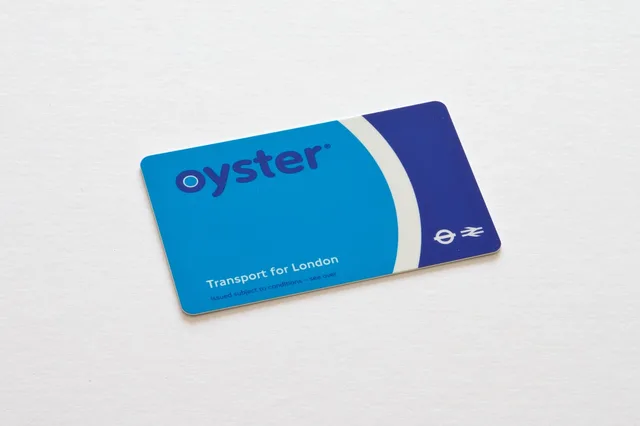
You should consider your planned mountain excursions, avoid assuming one is always cheaper, and note that the Half Fare Card is generally better for low-frequency travelers. 1. Calculate total transit costs for your planned route. 2. Compare the Swiss Pass price to the sum of half-price tickets. 3. Assess how many mountain excursions you intend to take.
How to choose between Swiss Pass vs Half Fare Card?
At dawn on the Interlaken platform, I gripped my cold smartphone while weighing the merits of a Swiss Pass.
A traveler stands on a platform in Interlaken, watching a train pull into the station while clutching a digital ticket. Deciding on the right rep involves looking at your daily movement patterns.
If you plan to ride trains, buses, and boats almost every day, the Swiss Pass offers unlimited convenience. However, if you are staying in one region for several days, the Half Fare Card often provides better value.
The choice hinges on whether your total travel expenses exceed the price of the Swiss Pass.
You must map out every segment of your trip to see if the unlimited nature of the pass outweighs the specific discounts of the card.
How much will traveling in Switzerland cost me?
A person sits at a wooden table in a mountain cafe, scribbling a list of destinations like Zermatt and Lucerne on a notepad. To perform a cost comparison Swiss travel, you must list every single leg of your journey.
The World Bank provides data that can help travelers estimate costs associated with Swiss travel.
You need to find the full price of a ticket for each route and then calculate the half-price equivalent.
The Swiss Pass provides a flat rate for a set number of days, covering most public transport. In contrast, the Half Fare Card requires you to purchase a separate ticket for every trip, albeit at a 50% discount.
I found that checking the price of specific mountain gondolas was essential, as these often cost more than standard rail segments. This calculation comparison Swiss travel ensures you do not overpay for a pass you will not fully utilize.
How can I calculate my travel savings?
While waiting for the cable car at dusk, I gripped my warm phone to compare the swiss pass costs against my savings. A traveler checks their smartphone app while waiting for a cable car in the Jungfrau region. To use a calculate travel savings guide, you should follow a structured approach to your budgeting.

- List all intended train, bus, and boat journeys for your entire trip duration. 2. Find the standard full price for each of those individual segments. 3. Compare the total sum of these half-price tickets against the price of a Swiss Pass for the same number of days.
I performed this exact comparison before my own trip to ensure my budget remained accurate. After completing these steps, perform a final check to see if your mountain excursions—which are often the most expensive parts of a trip—tilt the balance toward the pass.
Best card for Alps railway
The wind blows cold across a high-altitude station as a passenger prepares to board a steep cogwheel railway. Finding the best card for Alps railway involves looking at the specific mountain peaks you want to visit. Some passes offer different levels of coverage for high-altitude lifts.
If your trip focuses on expensive mountain climbs, the way you manage these costs is critical. A Swiss Pass might cover certain local transport, but the Half Fare Card allows you to pay half for almost everything, including many mountain excursions.
This method of choosing between Swiss passes is vital for those heading deep into the high Alps.
How to calculate travel benefit?
A traveler stares at a printed timetable, trying to match arrival times with their budget. To understand the how to calculate travel benefit, you must look at the frequency of your transit.
If you move between cities every day, the Swiss Pass is often the winner. If you spend three days in one village and only take one train, the Half Fare Card is likely better. The benefit is found in the math of your specific itinerary.
What is the most efficient way to travel?
A passenger settles into a comfortable seat on a panoramic train, looking out at the landscape. The most efficient way to travel depends on your desire for spontaneity. The Swiss Pass allows you to hop on and off trains without buying new tickets, which is a significant time-saver.
The Half Fare Card requires more administrative effort, as you must buy a ticket for every single leg of the journey.
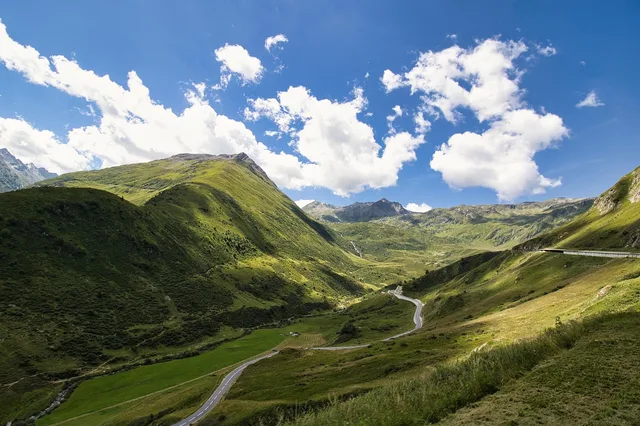
According to World Bank data, Switzerland recorded international tourist arrivals of 11,818,000 in 2019. This high volume of visitors underscores why choosing the right transit option is such a common concern.
While the Swiss Pass offers ease, the Half Fare Card offers precision for those with a fixed, less frequent schedule.
The effectiveness of these transit options is limited to the specific types of transport and mountain excursions they cover, and the Half Fare Card's value is strictly dependent on the total number of trips taken.
The subject here is Swiss Pass vs Half Fare Card.
The same subject is also called Swiss pass versus half fare.
This part also covers Cost efficient mountain trips.
Related
- Swiss Pass cost calculator guide for 60% Alps travel
- Glacier train vs mountain train: 65,000 km How to travel
When is the Swiss Pass superior for daily movement?
The Swiss Pass excels when your travel involves constant movement across the country. If you are making daily trips between different towns, the unlimited access provided by the Swiss Pass simplifies logistics significantly.
This unlimited nature contrasts with the Half Fare Card, which mandates purchasing a discounted ticket for every single ride. Therefore, the decision between Choosing between these two options must weigh the value of daily freedom against segment-by-segment savings.
How does the scope of coverage affect the choice?
The scope of coverage dictates the practical benefit of each card. The Swiss Pass covers a broad range of public transport, offering comprehensive coverage for many segments.
Conversely, the Half Fare Card applies a discount to almost everything, but you still need to manage individual ticket purchases for each leg of the journey. Assessing the exact types of transport you will use is key when Choosing between these two options.
When comparing the two, remember that the effectiveness of these transit options is limited to the specific types of transport and mountain excursions they cover. The Half Fare Card's value is strictly dependent on the total number of trips taken, which must be mapped out carefully.
This detailed mapping is necessary when Choosing between the pass and the card.
The comparison must account for high-altitude lifts, as these often represent the largest single cost component of a trip. A thorough calculation ensures that the upfront cost of the pass is justified by the savings on these expensive segments, rather than just on standard rail travel.
This caution is essential when Choosing between the two available options.








Comments 0