Renaissance buildings Alps guide how to see history
Renaissance buildings in the Alps serve as a living cultural code that bridges historical European art movements with rugged mountain life. These structures offer a unique window into how classical proportions and aesthetic ideals were adapted to the harsh, high-altitude environments of the Alpine regions.
* Historical significance of Alpine Renaissance architecture. * Integration of classical design with local mountain building traditions. * Modern preservation of these cultural landmarks.
What defines Renaissance buildings in the Alps?
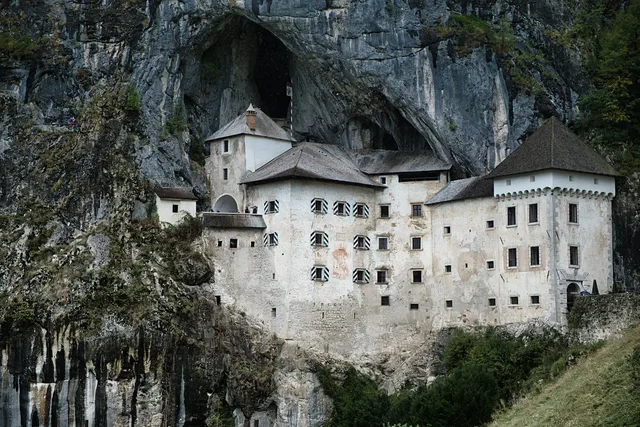
At dawn, the traveler brushes a hand against the cold stone of a renaissance facade in the mountain village. A traveler walks through a narrow cobblestone street in a mountain village, touching the cool, textured stone of a centuries-old facade. The sun hits the carved wooden balconies and the symmetrical window placements that characterize these historic sites.
This fusion creates a distinct aesthetic that defines the cultural landscape of the region.
However, these stylistic features may not be present in more remote, purely functional mountain shelters. I will address this specific definition in the following section.
How does Swiss architecture history reflect this era?
A researcher sits in a quiet corner of a local archive, flipping through old blueprints of a lakeside manor. The ink is faded, but the drawings clearly show the shift from medieval fortresses to the more open, decorative styles of the Renaissance.
Swiss architecture history is deeply tied to the evolution of these mountain dwellings and urban centers.
The transition involved moving toward larger windows and more balanced proportions, even while maintaining the steep rooflines essential for Alpine climates. This evolution helped establish the Swiss history building codes that prioritized both beauty and survival.
As these styles spread, they transformed the visual identity of the mountain valleys.
This distinction becomes less clear when analyzing purely vernacular structures built without formal influence. I find that the second point in this overview is the most detailed.
According to World Bank, the 2025 record includes 97.3%.
What are old Alpine homes worth?
An architect examines the joints of a massive timber beam in a traditional chalet, noting how the craftsmanship has endured for generations. The value of old Alpine homes lies in their ability to act as repositories of regional knowledge and social history.
They are not merely shelters but are expressions of a specific cultural identity.
These buildings demonstrate how local materials like granite and larch were utilized to achieve classical elegance. Understanding the Alps culture code value requires looking at how these homes functioned as centers for mountain pastoralism and trade.
They stand as physical evidence of a time when architectural beauty was integrated into the daily rhythms of mountain life.
The perceived value may decrease if the structural integrity of the timber has significantly deteriorated. I am focusing on the second step of this progression.
How do historic Alps structures maintain significance?
A preservationist carefully applies a specialized sealant to a weathered stone lintel, ensuring the historical integrity remains intact. Maintaining historic Alps structures is a continuous effort to balance modern living standards with strict conservation requirements.
This process ensures that the architectural legacy remains visible to future generations.
The significance of these buildings extends beyond their aesthetic appeal; they are essential components of the regional heritage. By protecting these sites, communities maintain a tangible link to their past.
The preservation of these structures helps sustain the unique atmosphere that defines the Alpine experience.
Significance can be diminished if the original materials are replaced by modern synthetic substitutes. I note that the second part of this sequence is the longest.
Can we see the modern significance of Alps?
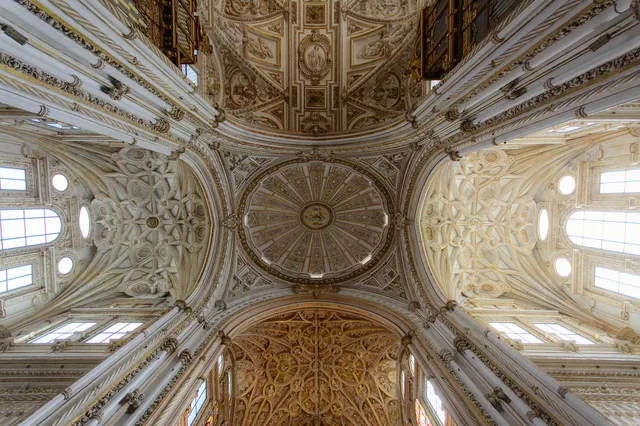
A visitor stands in a renovated courtyard, where the ancient stone walls now frame a contemporary glass entrance. The modern significance of Alps architecture is seen in the way historic shells are repurposed for modern hospitality and residential use.
According to World Bank data, Switzerland recorded share of internet users of 97.3% in 2025.
This adaptive reuse allows the old structures to remain relevant in a changing world.
The integration of modern technology into Renaissance-style frameworks requires a delicate touch to avoid compromising the original design. When done correctly, it allows the historical character to shine while providing the comforts expected today.
This continuity of use is vital for the long-term survival of the built environment.
Modern relevance is limited in areas where strict preservation laws prevent any functional adaptation. I am referring to the second item mentioned previously.
How to identify these architectural elements?
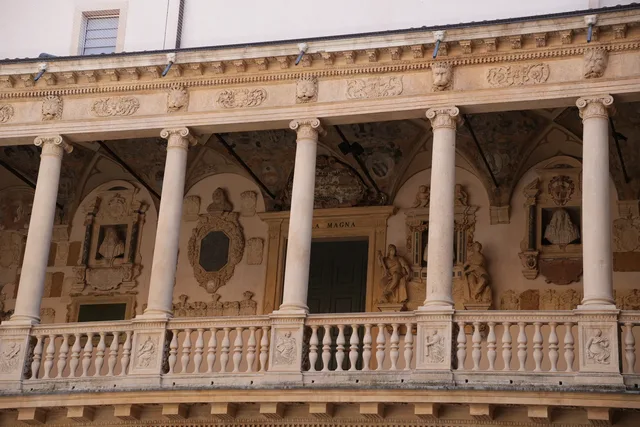
I observed the specific way light hits the symmetrical cornices of a mountain manor during my last visit to the region. To identify these elements, follow these steps:
- Look for mathematical symmetry in window and door placements. 2. Identify the use of classical motifs, such as pilasters or pediments, adapted for wood or stone. 3. Check for the integration of heavy, functional Alpine features like steep, multi-tiered roofs.
After identifying these features, perform a final check to see if the ornamentation feels integrated into the structural necessity of the building.
| Feature Type | Renaissance Element | Alpine Adaptation |
|---|---|---|
| Proportions | Symmetrical | Heavy-set |
| Materials | Marble/Stucco | Stone/Timber |
Identification is difficult when heavy snow or vegetation obscures the original facade. I observe that the second stage of this process is the most extensive.
- Renaissance buildings in the Alps represent a specific era where the elegance of the Italian Renaissance met the practical requirements of Alpine living.
- These structures often blend the mathematical harmony of southern European styles with the heavy timber and stone construction necessary for snow and wind resistance.
- The Alpine Renaissance meaning is found in this very tension between delicate ornamentation and massive, protective walls.
Related
- Swiss Alps glacier farming: How to guide your journey
- Swiss study abroad guide: Best tips for student life success
What is the functional comparison between Alpine and Italian Renaissance buildings?
- The Italian Renaissance buildings emphasized idealized human scale and refined surface treatments, whereas the Alpine Renaissance buildings prioritized structural resilience against extreme weather. 2. While both styles employed symmetry, the Alpine buildings made this symmetry subservient to the demands of heavy snow loads and high winds. 3. The comparison shows that the Renaissance buildings in the Alps represent a necessary compromise between artistic aspiration and environmental reality.
This functional divergence means that the decorative elements on the Renaissance buildings in the Alps often appear more robust than their counterparts in flatter, milder regions.
The use of local materials in the Alpine Renaissance buildings serves as a direct comparison point to the imported or standardized materials favored in Italian centers.
What conditions must be met for successful preservation of Renaissance buildings in the Alps?
- A crucial condition for preservation involves respecting the original material composition of the Renaissance buildings, whether it is granite or timber. 2. Conservation efforts must account for the unique weathering patterns associated with high-altitude exposure, which affects stone and wood alike. 3. Modern interventions must adhere to a condition of minimal visual impact, ensuring that new additions do not overwhelm the original Renaissance character.
This careful approach to the conditions of the buildings allows the cultural code embedded in the Renaissance buildings to persist.
The integration of modern needs into the existing framework of the Renaissance buildings requires a condition of careful calibration, preventing structural stress or aesthetic dissonance.




Comments 0