Swiss Alps glacier farming: How to guide your journey
"The mountains do not just stand; they breathe through the movement of glaciers and the rhythm of the herds."
This guide helps travelers navigate the intersection of Swiss Alps glacier farming and traditional pastoral life by comparing high-altitude trekking with valley-based cultural immersion.
You should focus on the extensive hiking networks for physical exploration, while looking toward regional hotel concentrations for authentic dairy experiences.
This journey is best suited for those seeking a blend of natural wonder and culinary heritage, though it remains limited by the seasonal accessibility of high-altitude alpine pastures.
* Utilize the 65,000 km hiking network for glacier views. * Stay in Grisons or Valais for high hotel density. * Experience the impact of international tourism on the local economy. * Connect with traditional herding through regional stays.
How can I explore the Swiss Alps glacier farming landscape?
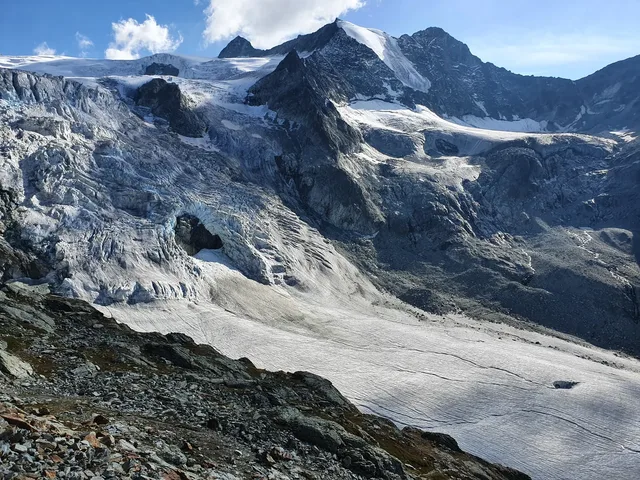
At dawn, I feel the biting cold against my cheeks as I trek through the Swiss alpine meadows.
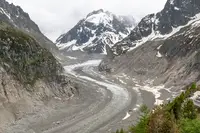
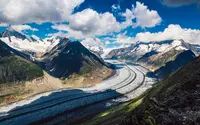
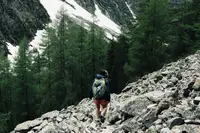
A hiker grips a sturdy wooden pole while stepping over a frost-cracked stone near a retreating ice edge. The air feels sharp and thin against the skin as the massive blue expanse of a glacier looms ahead.
To see the direct relationship between ice and land, you must utilize the vast trail systems that crisscross the high peaks.
The scale of movement in these mountains is immense, providing a massive playground for those interested in Swiss Alps glacier farming. The total hiking trail network is about 65,000 km (40,000 mi).
This extensive system allows travelers to move from the base of ancient ice flows up into the high-altitude meadows where the landscape shifts from white to green.
Exploring these trails requires preparation for changing weather and steep gradients. I remember the sensation of the wind whipping across a ridge while looking down at a valley that seemed to stretch into infinity.
Navigating this terrain provides a direct view of how melting ice feeds the streams that eventually water the lower pastures.
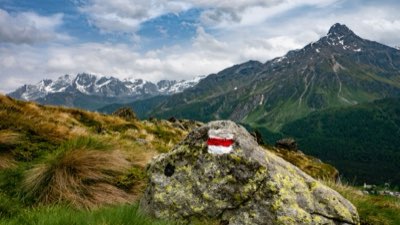
You can observe these unique agricultural practices by hiking along established mountain trails or taking local cable cars to higher elevations during the summer months.
Where are the best places to find traditional alpine culture?
Deep in the valley, I inhale the heavy scent of cheese while walking toward a Swiss village at sunset.
A traveler walks into a small village where the scent of aged cheese drifts from a wooden chalet. The sound of distant cowbells echoes through the valley, signaling the movement of livestock.
To find the heart of Swiss mountain life, you should target specific cantons known for their hospitality and agricultural traditions.
Hotel distribution plays a major role in where you will encounter these cultural hubs. 14% of hotels were in Grisons, 12% each in the Valais and Eastern Switzerland, 11% in Central Switzerland and 9% in the Bernese Oberland.
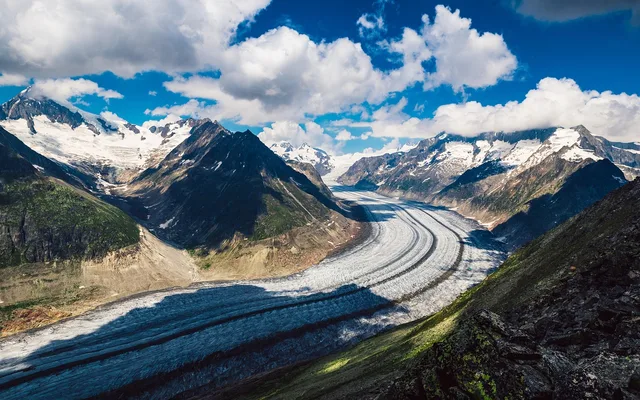
Choosing a location in Grisons or Valais increases your chances of staying near active mountain farms and traditional dairy production sites.
These regions serve as the primary gateways for visitors seeking a glacier cheese experience. By staying in these high-density hotel areas, you position yourself closer to the seasonal migrations of herds.
This proximity allows for a more authentic Alpine grazing tours experience where the rhythm of the seasons dictates local life.
Visit remote mountain villages and attend local seasonal festivals to experience authentic customs and traditional music.
What is the scale of tourism in the Swiss mountains?
I watch the sunset from a crowded Swiss balcony while feeling the warm breeze on my skin.
A hotel manager checks a ledger while a group of international travelers enters the lobby. The atmosphere is busy, reflecting the massive global interest in the Alpine scenery.
Understanding the economic context helps travelers realize the significance of their presence in these delicate mountain ecosystems.
The impact of visitors is significant to the national economy and local infrastructure. As of 2016, tourism accounted for an estimated 2.6% (CHF 16.8 billion) of Switzerland's GDP, compared to 2.6% (CHF 12.8 billion) in 2001.
This steady contribution highlights the importance of maintaining both the natural glaciers and the cultural herding traditions.
The influx of people comes from all corners of the globe. According to World Bank data, Switzerland recorded international tourist arrivals of 11,818,000 in 2019. This high volume of visitors supports the preservation of the very trails and pastures that draw them to the Alps.
Tourism involves millions of visitors annually, ranging from seasonal skiers in the winter to hikers and climbers in the summer.
How do I plan a high mountain herding itinerary?
A traveler spreads a map across a wooden table in a sunlit mountain lodge. They trace a line from a high-altitude glacier down to a lush green meadow. Planning a trip that combines these two distinct elements requires a structured approach to ensure you catch the seasonal transitions.
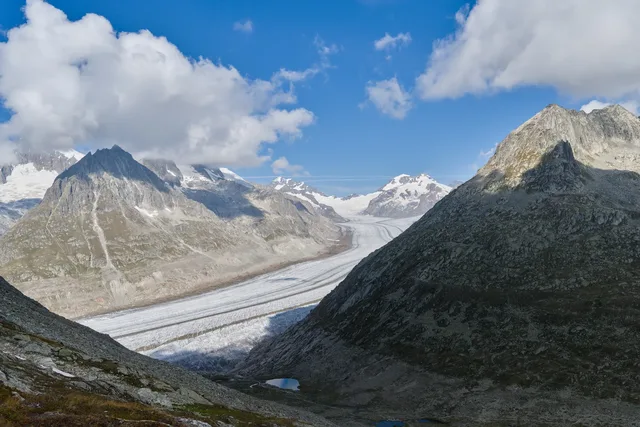
To experience an authentic cheese making guide experience, follow these steps:
- Select a base camp in a high-density hotel region like Grisons or Valais to ensure access to mountain transport. 2. Identify hiking routes that transition from glacial zones to high-altitude pastures to witness the landscape change. 3. Coordinate your visit with the local seasonal calendar to see herds moving between elevations.
After selecting your routes, perform a final check of the trail difficulty and weather forecasts. I found that checking the specific elevation changes helped me prepare for the physical demands of the higher trails.
An Alpine grazing tours itinerary is most successful when it balances active trekking with stationary cultural observation.
- Research the specific seasonal dates for cattle transhumance in your target region.
- Contact local mountain guides to arrange access to high-altitude pastures.
- Pack appropriate gear for unpredictable alpine weather conditions.
How do international visitors impact the local lodging?
A guest settles into a room overlooking a valley draped in morning mist. They look out at the peaks, feeling the quiet strength of the mountains. The demographics of the visitors shape the services and languages available in the mountain resorts.
The lodging sector is heavily influenced by a diverse international population. 56.4% of lodging nights were by visitors from abroad (broken down by nationality: 16.5% Germany, 6.3% United Kingdom, 4.8% United States, 3.6% France, 3.0% Italy).
This diversity ensures that even remote mountain areas are well-equipped to welcome travelers from various backgrounds.
This international presence is a key component of the high mountain herding lifestyle's visibility. As more people visit, the traditions of the Alps are shared with a global audience. However, the experience may vary depending on whether you stay in a major tourist hub or a remote farming hamlet.
Increased demand from travelers often leads to higher occupancy rates in mountain chalets and boutique hotels throughout the peak seasons.
What is the economic value of Swiss tourism?
An accountant reviews the national budget, noting the steady growth of the service sector. The numbers tell a story of a nation that has successfully integrated its natural beauty into its economic identity.
The financial weight of the industry is substantial. The total gross value added of 14.9 billion is about 2.9% of Switzerland's 2010 nominal GDP of 550.57 billion CHF.
This value is generated through the careful management of both the rugged glacial landscapes and the cultural heritage of the valleys.
The economic stability provided by tourism allows for the continued upkeep of the 65,000 km hiking trail network. Without this revenue, the infrastructure required to explore the Swiss Alps glacier farming regions would be difficult to maintain.
Tourism serves as a major driver of the national economy, supporting countless jobs in hospitality, transport, and outdoor recreation.
Related
Comments 0