Dolomites best hiking trails guide how to choose routes
The Dolomites offer some of the most dramatic limestone peaks in the world, providing a unique playground for hikers seeking jagged spires and high-altitude meadows. This guide covers the Dolomites best hiking trails to help you choose your route based on difficulty and scenery. You should prepare for rapidly changing alpine weather and steep terrain, though technical climbing skills are not required for most standard trekking paths.
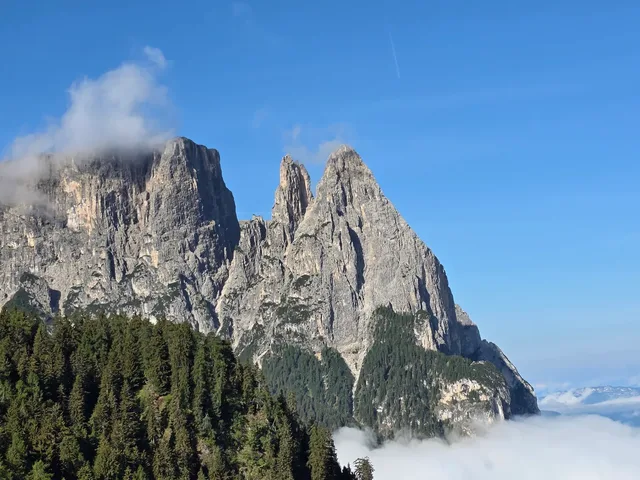
* Identify your preferred difficulty level, ranging from gentle valley walks to steep ascent routes. * Check seasonal accessibility, as high-altitude trails are often blocked by snow until summer. * Pack essential gear including sturdy boots, layered clothing, and navigation tools.
What are the best hiking trails in the Dolomites?
I stand upon a jagged limestone ridge in the Dolomites, feeling the biting wind sting my cheeks as the sun rises over the peaks.
Selecting the right Dolomites mountain trails requires understanding the specific landscape of the South Tyrol and Belluno regions.
For those seeking more verticality, the Alta Via 1 provides a long-distance experience through diverse alpine environments.
You can find various Italy Dolomites trekking options that vary from family-friendly paths to demanding high-altitude traverses.
However, these trails may be inaccessible or significantly more difficult during periods of heavy snow or extreme weather.
How can I prepare for Italy Dolomites trekking?
As dusk falls in the mountains, I sit inside a wooden hut and feel the rough texture of my paper map while planning my Dolomites trek.
A traveler sits in a mountain hut, checking a paper map against a digital GPS device as the sun begins to dip behind the jagged mountains. Preparing for these routes involves more than just physical training; it requires specific gear and logistical planning.
To ensure a safe experience, follow these steps:
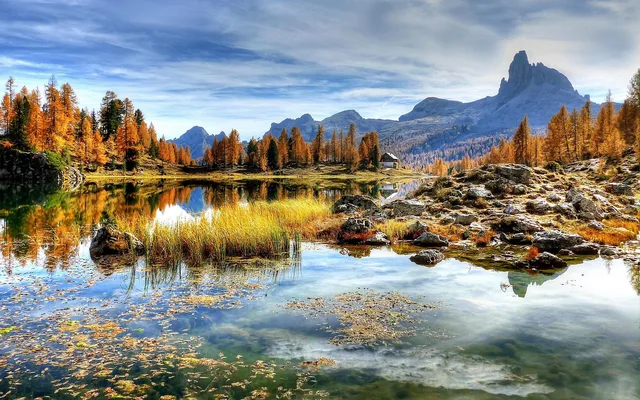
- Pack moisture-wicking base layers and a waterproof outer shell to handle sudden temperature drops. 2. Break in high-quality trekking boots before your trip to prevent blisters on rocky surfaces. 3. Download offline maps and carry a physical backup, as cellular service can be unreliable in deep valleys.
After completing these steps, always double-check your supplies against a local weather forecast. I found that checking the morning cloud cover helped me decide whether to start my ascent at dawn or wait for clearer skies.
Note that physical training alone may not compensate for a lack of experience navigating steep, rocky terrain.
According to World Bank, the 2025 record includes 97.3%.
What gear do I need to guide in the Dolomites?
A hiker adjusts the straps of a heavy backpack while standing on a gravel path near a traditional wooden chalet. Using a proper Dolomites hiking gear list ensures you are not caught off guard by the rugged terrain.
Your equipment should prioritize stability and protection. Sturdy footwear with deep lugs is non-negotiable for the loose scree found on many paths. Additionally, carrying a lightweight trekking pole can significantly reduce the impact on your knees during long descents.
For those following a Dolomites hiking guide, including a basic first aid kit and high-calorie snacks is a standard recommendation.
Keep in mind that even the highest quality gear cannot fully protect you if you are unprepared for sudden temperature drops.
What are the top Dolomites trekking spots?
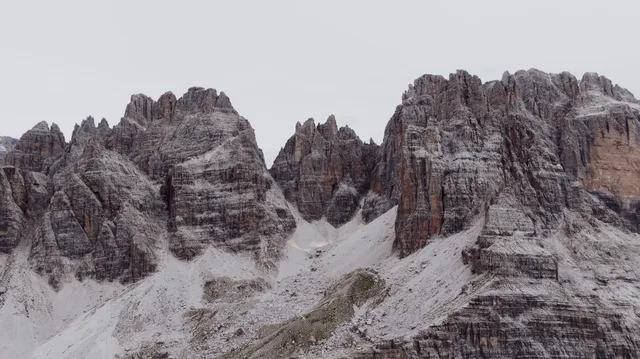
A group of hikers gathers near a mountain refuge, sharing water and looking up at the towering rock walls that surround them. The variety of scenery makes these areas some of the most sought-after destinations in the Alps.
The Seceda Ridgeline offers breathtaking views of the Odle Group, characterized by its sharp, dramatic slopes. Nearby, the Alpe di Siusi provides expansive, rolling meadows that are much easier to navigate.
These top Dolomites trekking spots offer a contrast between the sheer verticality of the peaks and the soft, green pastures of the high plateaus.
Please be aware that these popular locations often experience heavy crowds during the peak summer months.
How do I manage Italy Alps hiking tips for weather?
A hiker pulls a rain jacket tight around their shoulders as a light mist begins to roll through the mountain pass. Managing the unpredictable alpine climate is a core part of any successful mountain excursion.
Weather in the Dolomites can shift from bright sunshine to heavy thunderstorms within minutes. It is vital to monitor local forecasts and be prepared to turn back if visibility drops or lightning becomes a threat.
Following Italy Alps hiking tips regarding timing, such as starting early to avoid afternoon storms, can save a trip from being cut short by inclement weather.
However, these weather management strategies are less effective if you attempt to hike during severe mountain storms.
Comparing popular hiking intensities
| Route Type | Terrain Feature | Difficulty Level |
|---|---|---|
| Valley Walks | Rolling Meadows | Low |
| Ridge Treks | Limestone Spires | Moderate to High |
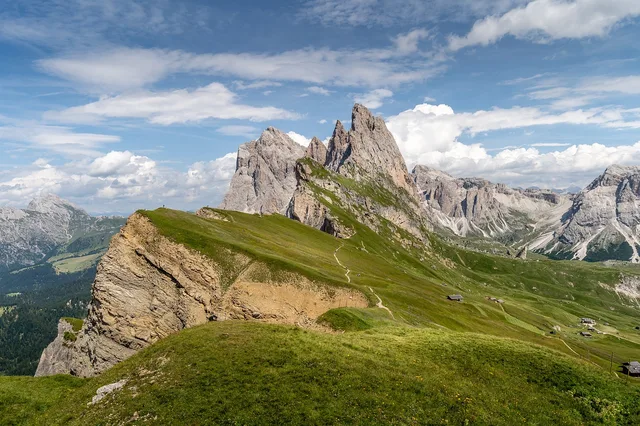
Note that an intensity level suitable for one hiker may not be appropriate for someone with different fitness levels or medical conditions.
- A hiker stands at the edge of a limestone ridge, feeling the cool mountain breeze against their face while looking out over the pale, massive peaks of the Dolomites.
- According to World Bank data, Switzerland recorded share of internet users of 97.3% in 2025.
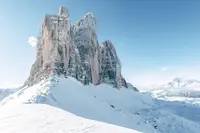
- The most iconic routes often center around the Tre Cime di Lavaredo, where the three distinct peaks offer a circular trek that is manageable for most fitness levels.
Related
- Dolomites trekking guide: Tips for best mountain hikes
- Alps hiking weather strategy: Guide to Swiss Alps
What conditions dictate trail selection?
- Assess your physical capability against the route's stated difficulty level. 2. Consider the current seasonal accessibility, remembering that snow can block high-altitude trails. 3. Evaluate the desired level of exposure to jagged spires versus expansive meadows.
The Dolomites offer varied experiences, so matching the trail to your goals is crucial. For instance, a family-friendly path contrasts sharply with a demanding high-altitude traverse. You must weigh the desire for dramatic limestone peaks against the ease of navigating rolling pastures.
How do I adjust my packing based on route type?
- For gentle valley walks, focus on comfort and moderate layering. 2. For steep ascent routes, prioritize stability and robust protection against scree. 3. Always include navigation tools regardless of the route's perceived simplicity.
Because the Dolomites offer diverse terrain, the required gear shifts depending on the chosen path. A ridge trek demands more protective footwear than a path through the Alpe di Siusi. Furthermore, the necessity of carrying high-calorie snacks increases with the duration of the trek.
When comparing popular hiking intensities, the difference between a Valley Walk and a Ridge Trek becomes apparent in the required gear. The Ridge Treks necessitate equipment capable of handling limestone spires, whereas Valley Walks allow for a lighter load.
This comparison helps a hiker properly gauge their needs before setting out.
The Dolomites offer a spectrum of challenges, from the manageable circular trek around Tre Cime di Lavaredo to the extensive journey of the Alta Via 1. This variation means that a single gear list is insufficient for all potential excursions.
Always review the specific requirements for your chosen region within the South Tyrol or Belluno areas.
Comments 0