Mont Blanc glacier hike guide: How to handle ice formations
"The ice stretches from the highest snowfield to the terminus, a frozen expanse that defines the very soul of the massif."
When choosing a Mont Blanc glacier hike guide, you should consider the total area of the ice you intend to cross and your ability to handle varying glacier lengths.
* Glaciers in the Mont Blanc massif cover 170 square kilometres (66 mi2). * France contains 110 km2 (42 mi2) of this glacial coverage. * The Miage Glacier is the largest debris-covered glacier in Europe. * Route completion for the full massif circuit typically requires 11 days.
Which glaciers dominate the French side?
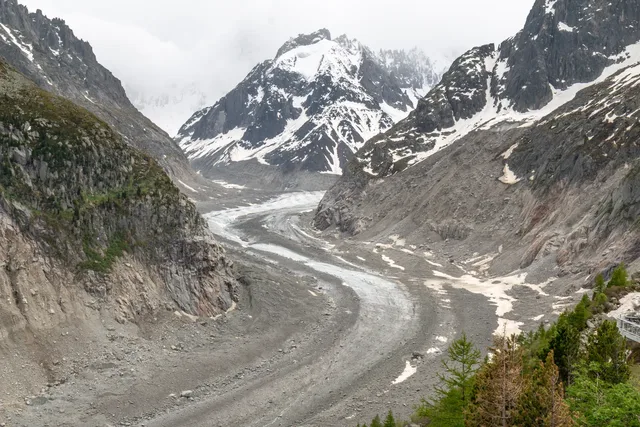
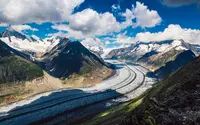
A hiker stands on a ridge in the Chamonix valley, looking across a vast white expanse that seems to swallow the horizon. To understand the scale of your trek, you must recognize that glaciers cover 170 square kilometres (66 mi2) of the massif.
This massive concentration of ice means that most Mont Blanc glacier hike guide options will keep you within French borders. The sheer volume of ice on the French side offers a variety of terrain, from steep ice falls to wide plateaus.
Because the French portion represents the majority of the ice, travelers often find more accessible entry points to these high-altitude environments.
How do the glacier lengths compare?
The wind whistles through a narrow pass as you check your map, tracing the lines of various ice flows. When planning a Mont Blanc course difficulty assessment, you must look at the specific dimensions of the ice you will cross.
The Miage Glacier reaches around 10 km (6 mi) in length, making it Italy's longest glacier and the largest debris-covered glacier in Europe.
Other significant ice bodies provide different challenges for a glacier trek comparison. For example, the Argentière Glacier measures 9 km (5.6 mi), while the Saleina Glacier spans 6 km (3.7 mi). The Trient Glacier is smaller at 4 km (2.5 mi).
I once watched a climber navigate the transition from a debris-covered section to pure ice, noting how the texture changed completely.
| Glacier Name | Length (km) | Length (mi) |
|---|---|---|
| Miage Glacier | 10 | 6 |
| Argentière Glacier | 9 | 5.6 |
A Beginner's Mont Blanc Glacier Hike Guide
You tighten your laces at the trailhead, feeling the cool morning air against your skin as you prepare for a long day of walking.
If you are looking for the best Mont Blanc route for beginners, you should focus on the smaller or more stable glacier sections rather than the massive debris-covered stretches.
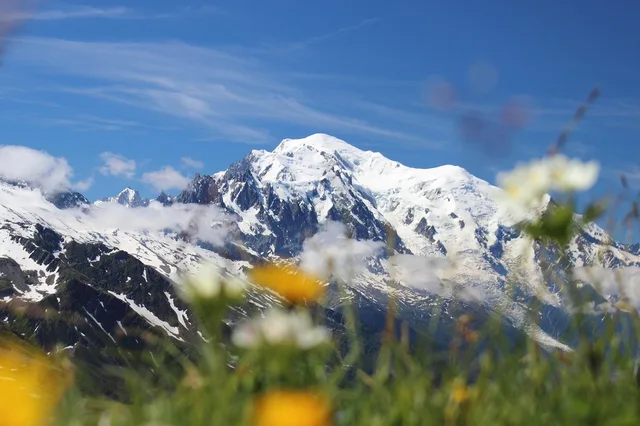
Choosing a path requires following these specific steps: 1. Identify the specific glacier length and terrain type, such as debris-covered versus pure ice. 2. Match your physical stamina to the expected duration of the trek, noting that a full circuit usually takes 11 days. 3.
Verify the width of the massif at your intended crossing point, as it reaches 20 km (12 mi) at its widest.
After completing these steps, perform a final check of your gear against the specific glacier type you have chosen.
How much time is needed for glacier crossing?
A group of trekkers moves slowly across a shimmering ice field, their shadows lengthening as the afternoon sun dips. Determining the time needed for glacier crossing is essential for safety and logistics.
While a standard trek through the massif might take 11 days, the terrain is also used for an annual mountain ultramarathon.
In this extreme context, top competitors are expected to complete the whole route in less than 21 hours. For the average traveler, the pace is much slower, dictated by the 12 km (7.5 mi) length of certain specific ice flows from the highest snowfield to the terminus.
This variation in speed highlights the difference between professional racing and recreational hiking.
Can I find hotel access near Mont Blanc trails?
You sit on a wooden bench outside a mountain lodge, watching the clouds roll over the granite peaks. Finding hotel access near Mont Blanc trails is generally easier on the French side due to the concentration of glaciers there.
According to World Bank data, Switzerland recorded international tourist arrivals of 11,818,000 in 2019.
Since 110 km2 (42 mi2) of the ice is located in France, the infrastructure tends to support more frequent visitor traffic.
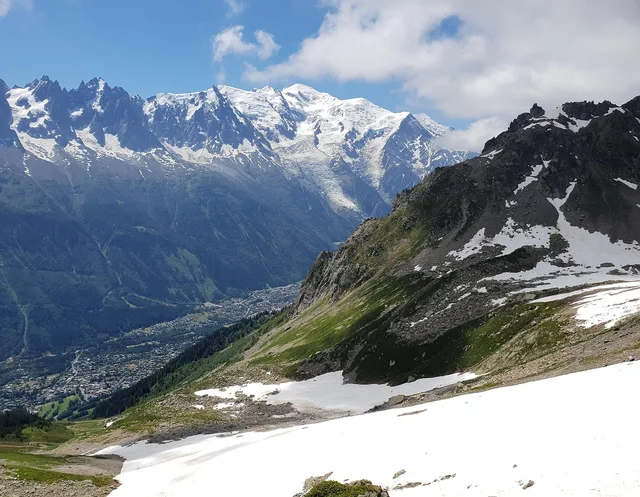
When planning your French Alps hiking tips, consider that the proximity to larger glacial masses often means more established mountain huts and villages. While the Italian side offers unique features like the Miage Glacier, the French side provides a higher density of glacial terrain.
This makes it a common starting point for those exploring the massif.
- Choosing between French and Italian glacier routes depends on your technical skill and the specific ice formations you wish to traverse.
- This guide compares the scale of the Mont Blanc massif glaciers to help you decide between the massive debris-covered paths and the shorter, more traditional ice flows.
- Of this total coverage, 110 km2 (42 mi2) fall within France.
What conditions affect the choice between routes?
- Consider the specific ice formations you wish to traverse when deciding between French and Italian glacier routes. 2. Evaluate your technical skill against the nature of the ice, as this dictates route feasibility. 3. Assess the total area of the ice you plan to cross, remembering the massif glaciers cover 170 square kilometres (66 mi2).
The ice stretches from the highest snowfield to the terminus, and the condition of this expanse requires careful route selection. If the ice is heavily debris-covered, the trekking demands change markedly compared to traversing pure ice flows.
How does debris coverage influence the trek?
- Recognize that the Miage Glacier represents the largest debris-covered glacier in Europe, which affects footing and stability. 2. Compare the debris-covered paths against the shorter, more traditional ice flows when making a decision. 3. The sheer volume of ice on the French side means terrain variations, including debris, are common features to encounter.
When the ice stretches from the highest snowfield to the terminus, the presence of debris alters the required navigation procedures. Navigating a debris-covered section demands a different approach than crossing a relatively clean ice field.
This comparison of terrain types helps the traveler manage the expected difficulty associated with the ice formations.
Comments 0