Dolomites glacier hike guide: How to choose best routes
"The mountains do not demand your strength, but they require your respect and a clear understanding of the path ahead."
Choosing a Dolomites glacier hike guide to navigate the various routes requires matching your physical stamina and technical experience with the specific terrain of the Italian Alps.
You should prioritize routes that align with your hiking background, noting that technical glacier walking requires specialized gear and local expertise.
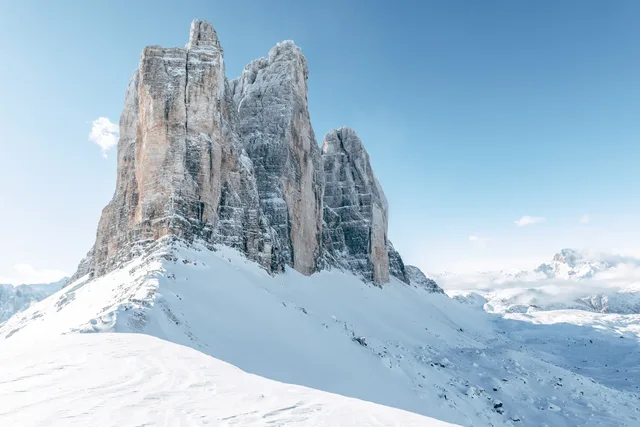
* Assess your technical climbing skills before selecting high-altitude routes. * Check seasonal accessibility for cable cars and mountain huts. * Compare trail durations against your personal fitness levels. * Prepare for rapid weather shifts common in alpine environments.
How to choose the right Dolomites glacier hike guide?
Standing at a trailhead in Cortina d'Ampezzo, you feel the crisp mountain air as you look at a topographic map. Selecting the right path involves evaluating whether you want a guided trek on moving ice or a high-altitude walk near permanent snowfields.
The difficulty of these routes varies significantly depending on the specific massif you enter. Some paths allow for casual walking near the edges of glacial zones with hotel access near mountain trails, while others require crampons and ice axes for true glacier traversal.
Beginners should look for trails that utilize cable cars to reach high viewpoints without requiring technical ice climbing.
Experienced trekkers often seek the Italian glacier trails comparison to find routes that offer more rugged, untouched terrain. It is essential to recognize that a route labeled "moderate" in a guidebook may still involve steep descents on loose scree.
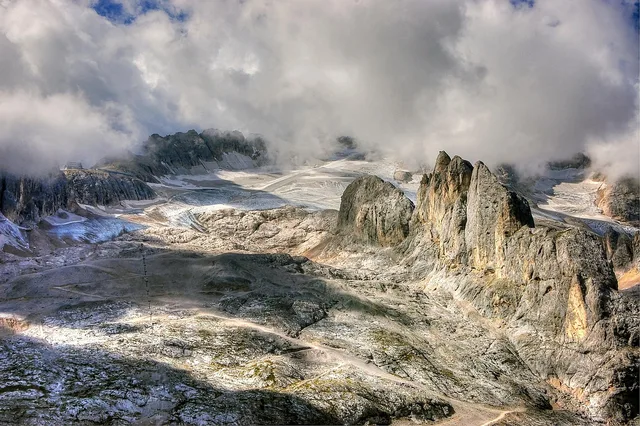
I once spent an afternoon navigating a ridge near the Marmolada, realizing that even a well-marked path demands constant attention to foot placement.
- Verify their local certification and mountain rescue training.
- Check their experience with specific glacier terrain.
- Confirm they provide necessary technical equipment.
What are the best glacier routes Italy offers?
Walking through a narrow mountain pass, the sound of crunching snow follows every step. Finding the best glacier routes Italy provides depends on whether you seek panoramic views or direct contact with the ice.
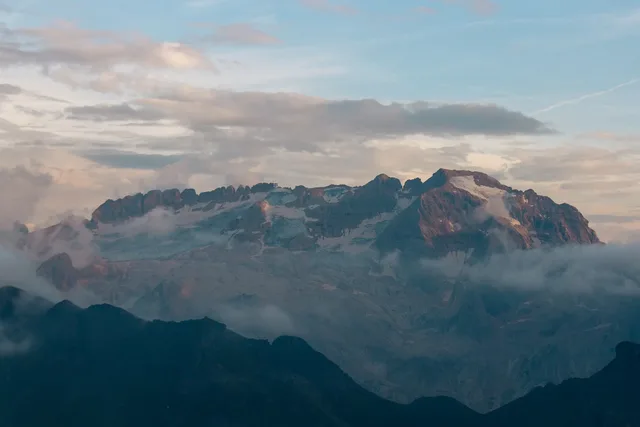
The Marmolada glacier is a primary destination for those wanting to experience the "Queen of the Dolomites," offering everything from distant views of the ice to glacier tour time estimates for those comparing Dolomites vs Swiss Alps hiking or seeking a Dolomites glacier hike guide for technical climbs.
For those seeking a Dolomites hiking difficulty guide, the contrast between the accessible viewpoints and the strenuous climbing sections is a vital consideration.
| Route Type | Primary Feature | Typical Requirement |
|---|---|---|
| Viewpoint Trek | Panoramic vistas | Standard hiking boots |
| Guided Glacier Walk | Direct ice contact | Crampons and guide |
When planning your trip, remember that Alpine trail selection help is often found at local mountain hut stations. These hubs provide real-time updates on snow conditions and trail safety.
In this sequence, the second one is the longest.
How to prepare for an Alpine trail selection help session?
Checking your gear in a small mountain lodge, you organize your layers and water bottles. Effective preparation ensures you are not caught off guard by the sudden temperature drops characteristic of the Italian Alps.
To prepare for a glacier trek, follow these steps:
- Verify the current operational status of local lifts and gondolas to ensure access to the high-altitude starting points. 2. Pack essential safety equipment, including high-SPF sun protection, windproof layers, and sufficient hydration. 3. Consult with a local mountain guide to confirm the stability of the snow and ice for your intended route.
After completing these steps, perform a final check of your footwear to ensure it provides adequate ankle support for uneven terrain.
What are the limitations of glacier trekking?
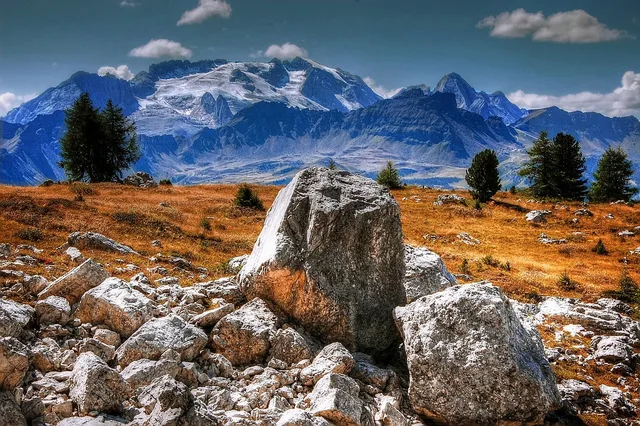
Watching the clouds roll over a jagged limestone peak, you realize the mountain dictates the schedule. Even with the best planning, certain conditions can make a route impassable.
Glacier trekking is not possible in all weather conditions, particularly during periods of heavy rainfall or extreme heat which can destabilize snow surfaces.
According to World Bank data, Italy recorded international tourist arrivals of 38,419,000 in 2020, reflecting the massive scale of interest in these regions. However, high-altitude glacier access is strictly limited by seasonal melting and local safety regulations.
How does weather affect your route choice?
Weather conditions directly dictate whether a path remains accessible or becomes dangerous. Rapid shifts in alpine environments mean that a route suitable in the morning might become impassable by afternoon due to sudden temperature drops or heavy rainfall.
When comparing different paths, you must consider how seasonal melting affects the stability of the snow. High-altitude glacier access is strictly limited by these seasonal changes and local safety regulations.
If you encounter extreme heat, the destabilization of snow surfaces may prevent safe glacier traversal.
Always monitor the clouds rolling over the peaks, as they signal the potential for the mountains to demand a change in your hiking schedule. If weather shifts occur, you should prioritize safety by checking with local mountain hut stations for real-time updates on trail conditions.
Comments 0