Dolomites trekking guide: Tips for best mountain hikes
This Dolomites trekking guide provides essential route details and preparation strategies for navigating the Italian Alps. It is designed for hikers seeking specific trail information, gear readiness, and scenic path navigation. You will learn how to select routes based on difficulty, manage alpine weather, and prepare for the unique terrain.
* Identify specific hiking routes based on terrain and elevation. * Prepare necessary gear for high-altitude alpine environments. * Understand the logistical requirements for mountain trail access.
How should I approach a Dolomites trekking guide?
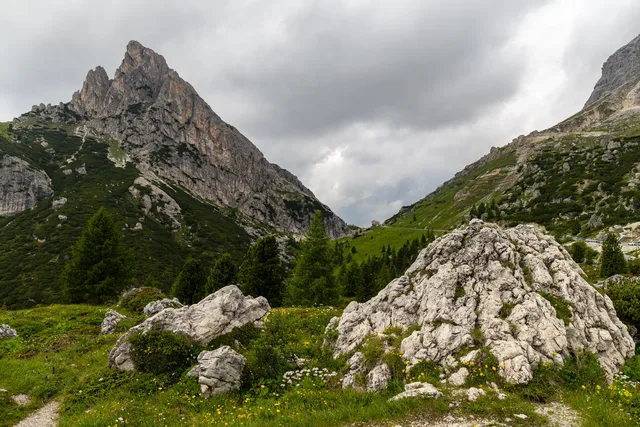
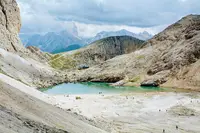
At dawn, I grip the worn pages of the Dolomites trekking guide while the biting wind chills my skin. A hiker stands at the edge of a limestone precipice, feeling the cool mountain breeze against their face as the sun hits the pale peaks. To use this Dolomites trekking guide effectively, you must first select a route that matches your physical conditioning and technical skill level.
The Dolomites offer diverse Italian mountain trails that range from gentle meadow walks to steep, rocky ascents. You should prioritize routes that offer clear signage and well-maintained paths to ensure safety.
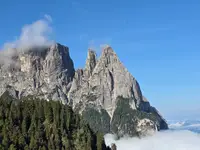
Planning your itinerary around specific landmarks, such as the Tre Cime di Lavaredo or the Alpe di Siusi, helps in organizing daily mileage.
Successful navigation requires understanding the local topography and the specific demands of the limestone terrain. While many paths are well-marked, the sudden changes in weather can alter trail conditions rapidly.
It is essential to consult local topographical maps and weather forecasts before every departure.
To get the most out of a guide, follow these steps: 1. Define your fitness level and preferred hiking duration. 2. Select a guide who specializes in the specific mountain range you plan to visit. 3. Review the proposed route to ensure it aligns with your technical skill set.
How can I prepare for the Dolomites best hikes?
I tighten my heavy laces at the trailhead, feeling the grit of the Dolomites soil beneath my feet.
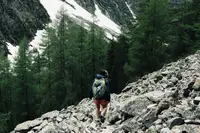
I lace up my boots on a dusty trailhead in Cortina d'Ampezzo, feeling the weight of my pack settle against my hips. Preparing for the Dolomites best hikes involves a systematic approach to gear and physical readiness.
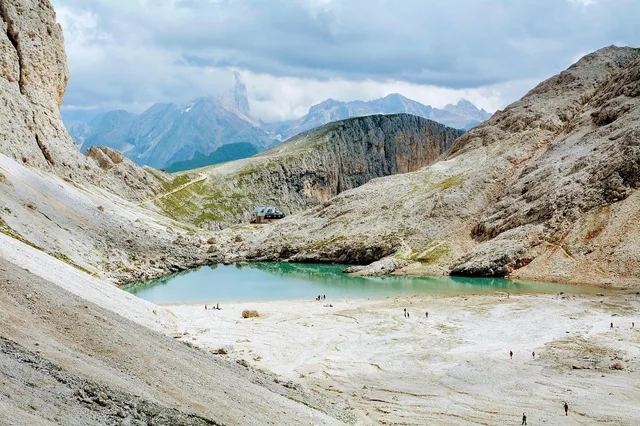
- Select sturdy, waterproof hiking boots with high ankle support to manage the uneven limestone surfaces. 2. Pack layered clothing, including moisture-wicking base layers and a windproof shell, to adapt to rapid temperature shifts. 3. Carry sufficient water and high-energy snacks to maintain stamina during long ascents.
After completing these steps, perform a final check of your navigation tools, such as a GPS device or a physical map, to ensure they are functional. I found that checking my gear in the morning light helped me avoid leaving essentials behind.
This preparation ensures you are ready for the stunning mountain walks found throughout the region.
Focus on cardiovascular endurance and leg strength through regular hiking or stair climbing to prepare for the steep elevation changes.
According to World Bank, the 2025 record includes 97.3%.
Can I find famous Dolomites paths for my skill level?
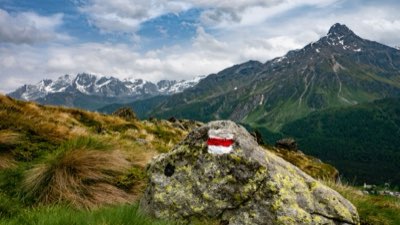
A group of walkers moves steadily through a wide, green alpine meadow, the distant peaks glowing in the afternoon light. Finding famous Dolomites scenic paths depends on your ability to balance scenic rewards with technical difficulty.
The region features various Alps hiking routes that cater to different experience levels. Lower-altitude paths often meander through lush pastures and traditional mountain pastures, offering views of the peaks without extreme vertical gain.
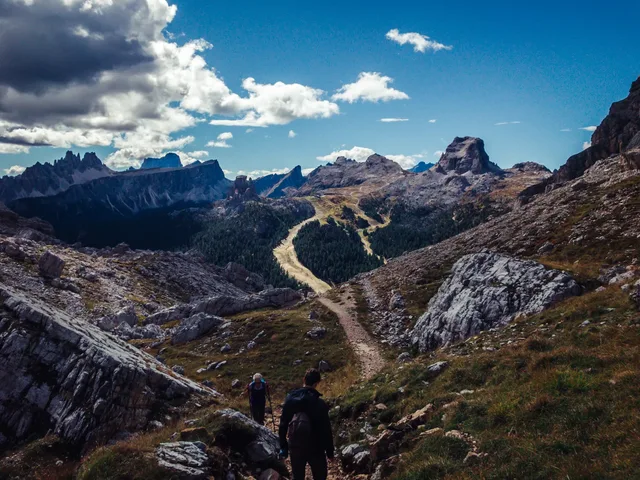
Higher-altitude routes require more focus on foot placement and endurance.
| Route Type | Terrain Characteristic | Primary Benefit |
|---|---|---|
| Meadow Trails | Rolling grass and soft soil | Accessible scenery |
| High Alpine | Sharp limestone and scree | Dramatic vertical views |
I prefer the meadow trails when I want to focus on the local alpine culture and mountain architecture. However, the high-altitude paths are necessary for those seeking the most iconic views.
Yes, the region offers a wide variety of trails ranging from gentle valley walks to challenging high-altitude via ferrata routes.
What are the essential Dolomites trekking tips and gear?
A climber reaches for a handhold on a weathered rock face, feeling the grit of the stone under their fingertips. Using Dolomites trekking tips and gear effectively means being proactive about the specific environmental challenges of the Italian Alps.
Effective gear management involves choosing equipment that handles both sun exposure and sudden rain. Lightweight trekking poles are highly recommended to assist with stability on steep descents. Additionally, a reliable sun protection kit is mandatory due to the high UV levels at altitude.
When implementing these tips, always consider the weight of your equipment to prevent unnecessary fatigue. A well-organized pack allows for quick access to hydration and emergency layers. This organized approach is a cornerstone of a perfect alpine hiking itinerary.
Always pack broken-in hiking boots, moisture-wicking layers, a reliable waterproof jacket, and plenty of high-energy snacks.
How do I manage my itinerary?
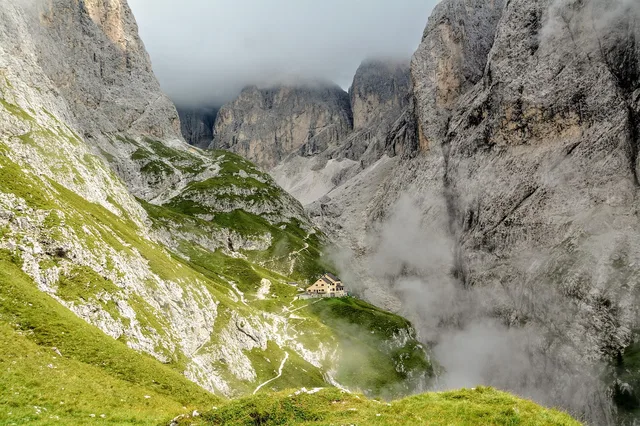
The sun begins to dip behind a jagged ridge, casting long shadows across the valley floor as the day's trek concludes. Managing an itinerary requires balancing the desire for scenery with the reality of daylight hours.
You should map out your daily distances to ensure you reach your destination or mountain hut before sunset. It is wise to build in "buffer time" for unexpected delays caused by weather or difficult terrain. This prevents rushed descents, which are a common cause of minor injuries.
A structured plan allows you to enjoy the scenery without constant time pressure. By aligning your route with the sun's position, you can maximize the light for photography and navigation.
Plan your route by identifying key mountain huts (rifugi) where you can stay overnight, ensuring you book accommodations well in advance.
Related
What are the conditions for safe Dolomites trekking?
- Always check local topographical maps before setting out on a Dolomites trek. 2. Review the current weather forecasts immediately prior to starting the journey. 3. Be prepared for the possibility that sudden weather shifts will alter the trail conditions quickly.
The limestone terrain demands careful attention to foot placement, especially when conditions are unpredictable. A hiker must recognize that the mountain environment presents unique challenges beyond just the distance covered.
According to World Bank data, Switzerland recorded share of internet users of 97.3% in 2025.
Check local weather forecasts daily, as mountain conditions can change rapidly, and always carry a physical map and a first-aid kit.
How does terrain influence route selection in the Dolomites?
The type of ground encountered dictates the necessary preparation for your Dolomites trekking adventure. Meadow Trails present rolling grass and soft soil, which is generally more accessible. Conversely, High Alpine routes feature sharp limestone and scree, requiring greater focus on endurance.
When choosing a path, compare the terrain characteristic against your skill level. Lower-altitude paths allow for a focus on local culture, while the dramatic vertical views of the higher paths necessitate a different level of commitment.
The choice between a gentle meadow walk and a steep, rocky ascent should align with your physical conditioning. This comparison helps set realistic expectations for the entire Dolomites trekking experience.




Comments 0