How difficult is this Eiger Wall Alpine Trek?
The Eiger Wall Alpine Trek represents the pinnacle of high-altitude trekking challenges for experienced mountaineers seeking extreme mountain hiking goals in the Swiss Alps. This guide is for seasoned hikers looking to navigate the Bernese Oberland, focusing on technical terrain and high-altitude logistics. You should prioritize local mountain huts for shelter, note that the total hiking trail network is about 65,000 km (40,000 mi), and understand that these routes are not suitable for beginners due to steep exposure.
What defines the Eiger Wall Alpine Trek?
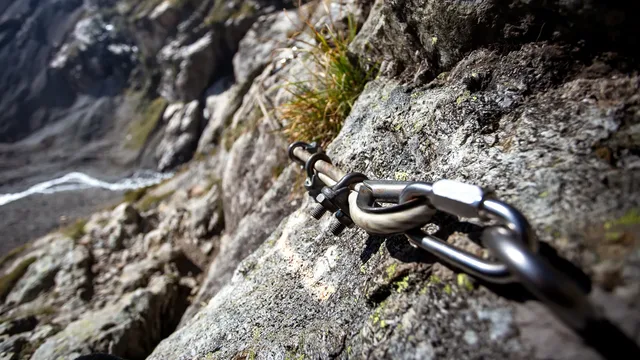
At dawn, you grip the freezing granite as the Eiger looms over the Bernese Oberland.
A climber grips a cold granite ledge while looking out over the vast expanse of the Bernese Oberland. This Eiger Wall Alpine Trek is a test of physical endurance and mental focus amidst vertical rock faces.
It serves as one of the premier high altitude trekking challenge routes for those seeking the ultimate peak hiking tests.
The Eiger Wall Alpine Trek is not merely a walk but a technical endeavor through rugged terrain. This Eiger Wall Alpine Trek demands respect for the unpredictable mountain weather and steep gradients.
For those pursuing extreme mountain hiking goals, the sheer scale of the North Face provides an unmatched backdrop for a high altitude trekking challenge.
However, this trek may not be suitable for those seeking a casual stroll through the valley.
How difficult is this Eiger Wall Alpine Trek?
A hiker checks their boots and tightening their laces before stepping onto a narrow, rocky path. The difficulty of this Eiger Wall Alpine Trek varies depending on the specific route chosen through the high mountains.
It remains one of the hardest Alps hiking routes for those not accustomed to technical scrambling.
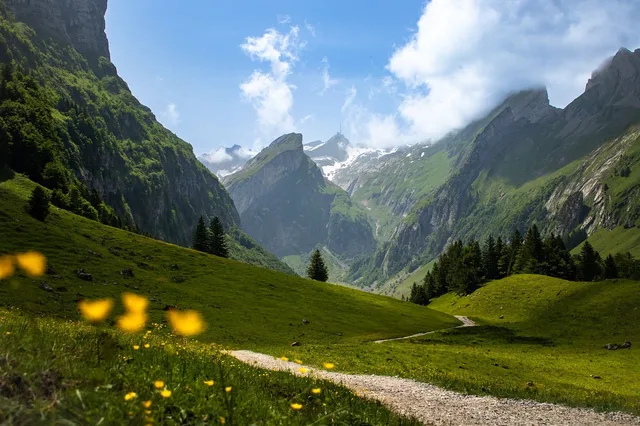
The difficulty is tied to the altitude and the terrain's verticality. While many paths are well-marked, the specific Eiger Wall Alpine Trek requires significant stamina. These routes are considered among the top difficult alpine courses due to the sudden drops and heavy pack weight.
However, the perceived difficulty may vary depending on your personal fitness level.
According to World Bank, the 2025 record includes 97.3%.
Where can I find lodging during the trek?
A traveler enters a wooden mountain hut, smelling the scent of pine and hot stew. Finding accommodation is vital when navigating the Eiger Wall Alpine Trek. You must plan your route around specific mountain lodges to ensure safety.
The distribution of lodging in Switzerland varies by region. Other regional concentrations include 14% of hotels in Grisons, 12% each in the Valais and Eastern Switzerland, and 11% in Central Switzerland.
However, availability may be limited during the peak summer season.
Who typically attempts this trek?
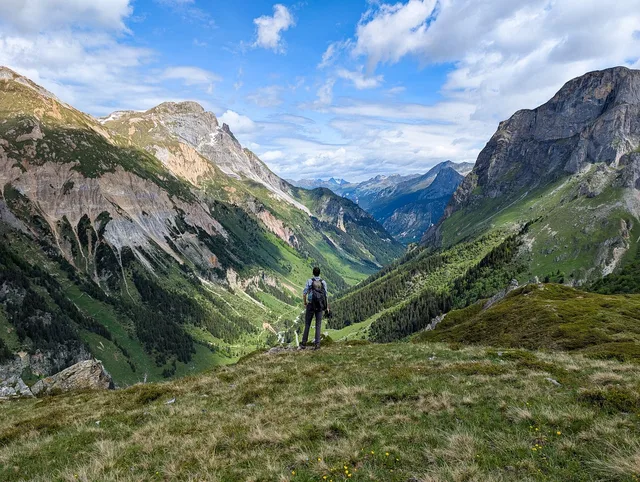
A hiker from the United States consults a map near a mountain lake. The demographic of those attempting these high mountain experiences is diverse. Many visitors come from different nations to experience the Swiss Alps.
The international nature of Swiss tourism is evident in the statistics. According to Wikipedia: Tourism in Switzerland, 56.4% of lodging nights were by visitors from abroad.
This group includes 16.5% from Germany, 6.3% from the United Kingdom, 4.8% from the United States, 3.6% from France, and 3.0% from Italy.
However, this route might be too strenuous for casual tourists.
How large is the Swiss hiking network?
A hiker steps onto a well-maintained path that winds through a lush valley. The scale of the infrastructure available for hikers is immense. The total hiking trail network is about 65,000 km (40,000 mi). According to World Bank data, Switzerland recorded share of internet users of 97.3% in 2025.
This vast network allows for many different types of excursions. You can find everything from casual valley walks to the intense Eiger Wall Alpine Trek. This extensive system supports many different levels of mountaineering and hiking adventures.
However, the extent of the network can vary depending on the specific region.
How do I prepare for the Eiger Wall Alpine Trek?
A hiker packs a heavy rucksack with essential gear and checking the weather forecast. Preparing for a high altitude trekking challenge requires careful logistical planning. Follow these steps to prepare for the Eiger Wall Alpine Trek:
- Verify the technical requirements of your chosen route to ensure it matches your skill level. 2. Book your mountain hut accommodations several months in advance to secure a spot. 3. Check the local weather forecasts daily as you approach high-altitude sections.
I personally found that checking the specific mountain hut availability was the most critical step in my planning. The trek is not suitable for those without prior experience in high-altitude environments.
| Feature | Value |
|---|---|
| Total Network | 65,000 km |
| US Visitor Share | 4.8% |
- Research the specific terrain and elevation changes.
- Pack essential gear including sturdy hiking boots.
- Confirm all mountain hut reservations in advance.
- I find that the second step is the most critical for safety.
The same subject is also called Summiting Eiger adventure.
This part also covers Best high mountain experience.
Best high mountain experience
Related
What should a hiker consider regarding the terrain?
A hiker observes the steep gradients and vertical rock faces ahead. The Eiger Wall Alpine Trek requires caution because the terrain is not suitable for beginners due to steep exposure. You must prepare for technical scrambling and sudden drops.
How does the terrain compare to other routes?
The Eiger Wall Alpine Trek is more difficult than casual valley walks. While many paths are well-marked, this specific route is categorized among the top difficult alpine courses. This comparison highlights the difference between standard excursions and high altitude trekking challenges.
Comments 0