Lucerne versus Matterhorn: Tips for best Alps glacier trip
"The mountains do not move, but the way we see them changes with every step taken upon the ice."
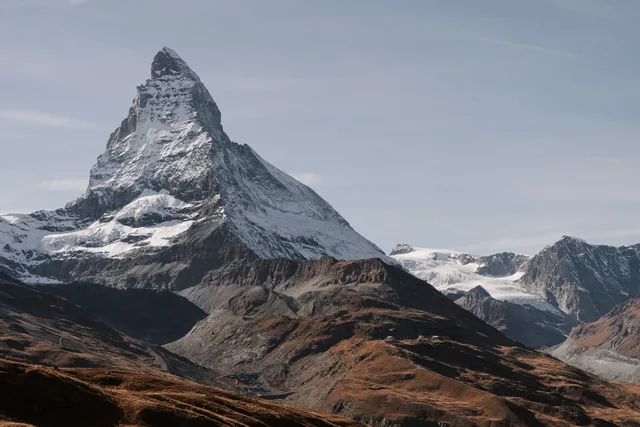
Choosing between Lucerne and Matterhorn depends on whether you seek the tranquil lakes of Central Switzerland or the rugged peaks of the Valais. This guide compares the glacier experiences to help you decide which region suits your travel style.
Travelers should consider that while Lucerne offers access to central alpine views, the Matterhorn area is part of the Valais, a major tourism hub.
* Analyze the regional distribution of lodging to find your base. * Evaluate the scale of the hiking networks available in each area. * Understand the economic impact of tourism on the Swiss GDP. * Compare the international visitor demographics to see common travel patterns.
Why choose Lucerne versus Matterhorn?
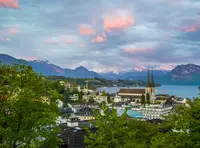
At sunset, you press your hands against the cool wooden pier in Lucerne while watching the golden light dance upon the lake.
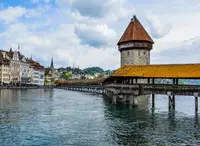
A traveler stands on a wooden pier in Lucerne, watching the sunlight reflect off the calm lake water while the distant mountains loom in the background. This decision hinges on whether you prefer the central landscape or the high-altitude grandeur of the Valais.
Lucerne serves as a gateway to Central Switzerland, whereas the Matterhorn is the icon of the Valais region.
The choice depends on your specific interest in the Swiss landscape. Lucerne provides a more integrated experience of lakes and mountains, while the Matterhorn offers a more vertical, alpine focus.
Note that 11% of hotels are located in Central Switzerland, which provides a steady infrastructure for those visiting the Lucerne area. This regional presence ensures that travelers have diverse options for staying near the water and the peaks.
How do the hiking trails compare?
As you trek through the Lucerne valley at noon, you feel the rhythmic ache in your legs while the sharp wind bites your skin.
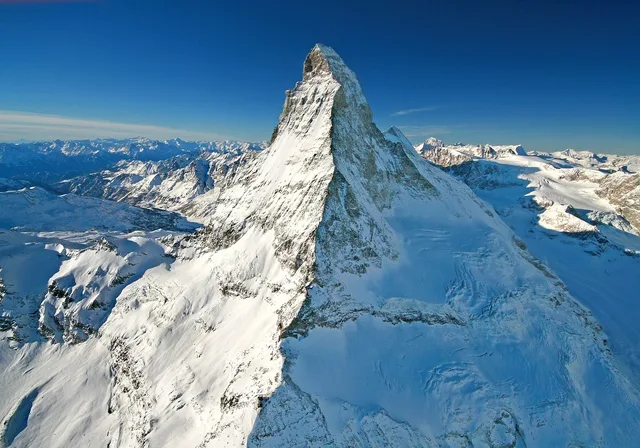
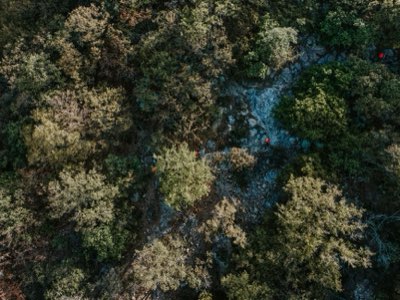
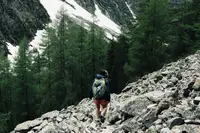
A hiker laces up boots on a narrow path near the Matterhorn, feeling the crunch of gravel beneath their feet as they ascend. The scale of the Swiss mountain system is immense, providing endless routes for exploration.
When you look at the vastness of the terrain, the total hiking trail network is about 65,000 km (40,000 mi). This massive network allows for varied experiences, from easy lakeside strolls to intense high-altitude treks.
Whether you are navigating the paths near Lucerne or the steeper routes in the Valais, the sheer length of the available routes ensures you will not run out of scenery. This scale is essential for anyone planning a long-duration Alps glacier trip choice.
Which Alps view is better to see?
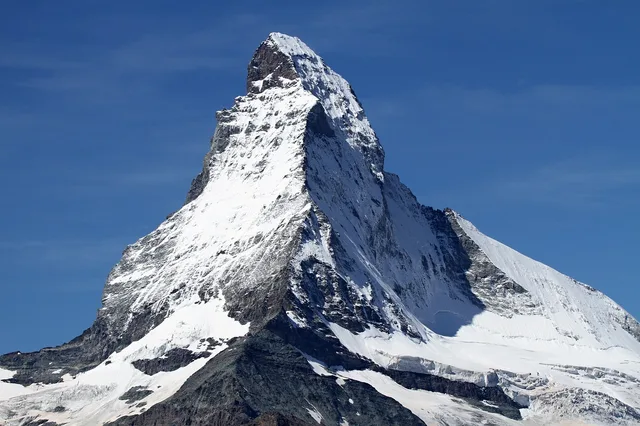
Clouds swirl around a jagged peak as a photographer adjusts a tripod to capture the silhouette of the Matterhorn against a blue sky. Determining the best view requires looking at how different regions distribute their tourism resources and lodging.
The density of accommodation varies significantly by region.
Since the Matterhorn is located in the Valais, you will find a significant concentration of lodging there, matching the 12% share held by that region. This makes the area a reliable destination for those seeking a dedicated mountain experience.
How much does a glacier trip cost?
A traveler reviews a digital map on their phone while sitting at a mountain cafe, calculating the day's expenses. While individual costs fluctuate, the broader economic data reflects the scale of the Swiss tourism industry.
The World Bank provides data that can help travelers gauge the general cost associated with glacier trips.
The economic weight of the sector is significant for the national economy. As of 2016, tourism accounted for an estimated 2.6% (CHF 16.8 billion) of Switzerland's GDP, compared to 2.6% (CHF 12.8 billion) in 2001. This stability suggests a well-established market for travelers.
When evaluating the Lucerne Matterhorn cost for your trip, you are entering a highly organized tourism economy that contributes significantly to the nation's wealth.
What is the best glacier experience?
A group of hikers shares a map in a sunlit valley, discussing the best routes for the upcoming afternoon. For those seeking a specific type of adventure, understanding the visitor demographic can provide insight into the atmosphere.
The international nature of these routes is evident in the data. According to Wikipedia: Tourism in Switzerland, 56.4% of lodging nights were by visitors from abroad.
This international presence makes both Lucerne and the Matterhorn highly accessible for global travelers.
How to plan your route?
A traveler marks a specific path on a paper map, checking the time against the setting sun. To ensure a successful journey through the Alps, follow these steps:
- Select your primary region based on whether you want lakeside views or high-altitude peaks. 2. Book lodging in advance, noting that the Valais and Grisons hold the largest percentages of hotel availability. 3. Verify the specific hiking trail distance against your physical preparation level.
I find that checking the regional hotel percentages helps me decide where to base my stay. This guide is limited to comparing the general tourism and hiking landscape and does not cover specific daily costs or weather-dependent closures.
- Check the local weather forecast for mountain conditions.
- Download offline maps for your specific hiking trails.
- Book your transportation tickets in advance.
In this sequence, the second step is the most important.
Related
What conditions influence the choice of mountains?
- The traveler must consider the regional distribution of lodging when making a selection. 2. The hiker should evaluate the scale of the hiking networks available in each area before committing to a region. 3. A visitor should understand the economic impact of tourism on the Swiss GDP to gauge the market stability.
The mountains do not move, but the way we see them changes with every step taken upon the ice, and this perception is tied to infrastructure.
Central Switzerland, where Lucerne resides, offers a steady infrastructure because 11% of hotels are situated there, providing diverse options near the water and peaks.
In contrast, the Matterhorn area is part of the Valais, which holds a 12% share of lodging, indicating a dedicated concentration for mountain experiences.
Are there differences in visitor patterns between the regions?
The international visitor demographics show common travel patterns across the entire country, which affects both regional areas. For instance, 56.4% of lodging nights were occupied by visitors from abroad, illustrating a broad appeal for Swiss travel.
The specific breakdown of nationalities—Germany, United Kingdom, United States, France, and Italy—is consistent whether the traveler chooses the lakeside setting or the high-altitude grandeur.
The comparison between the two regions reveals that while the Matterhorn is the icon of the Valais, Lucerne provides a more integrated experience involving lakes and mountains.
This difference in landscape focus dictates the traveler's preference, even though both locations benefit from the overall robust tourism economy. The mountains do not move, but the way we see them changes with every step taken upon the ice, influenced by the chosen base.
The sheer length of the available routes, totaling about 65,000 km, ensures that the vastness of the terrain offers varied experiences regardless of whether the path is near Lucerne or in the steeper Valais.
Travelers should keep in mind that the density of accommodation varies significantly, with Grisons holding the largest share at 14%. This variation in lodging distribution helps frame the intended experience for the visitor.

Comments 0