Alps glacier melt heatwave: Why preparation is key for treks
"The ice is not just melting; it is retreating from the very landscapes that once defined the European spirit."
The Alps glacier melt heatwave phenomenon represents a shifting reality for high-altitude environments, where rising temperatures threaten traditional landscapes. Travelers must prepare for unpredictable weather and ecosystem changes by understanding the underlying warming trends.
This guide covers the reality of Alpine temperature rises, essential safety steps for mountain visitors, and the implications of extreme weather on travel.
How is the Alps glacier melt heatwave affecting the landscape?
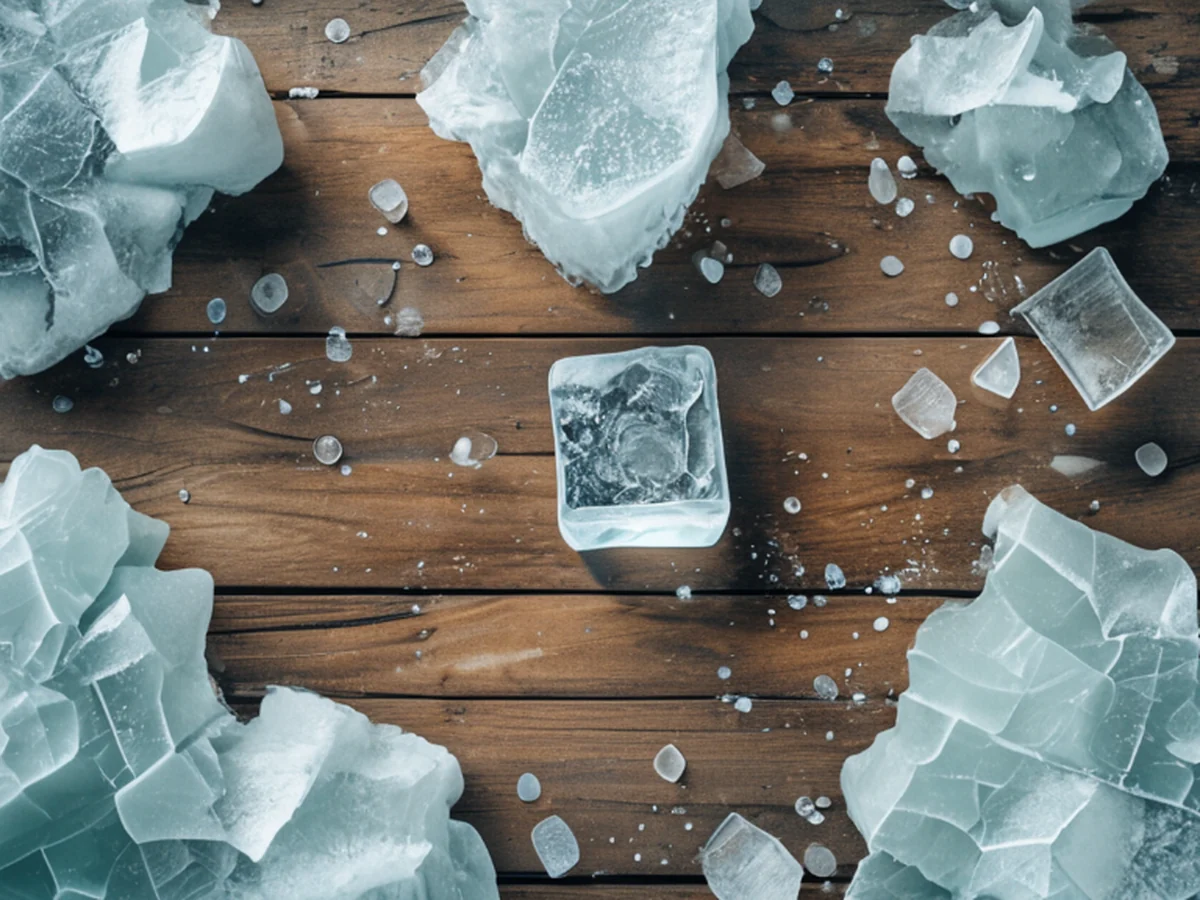
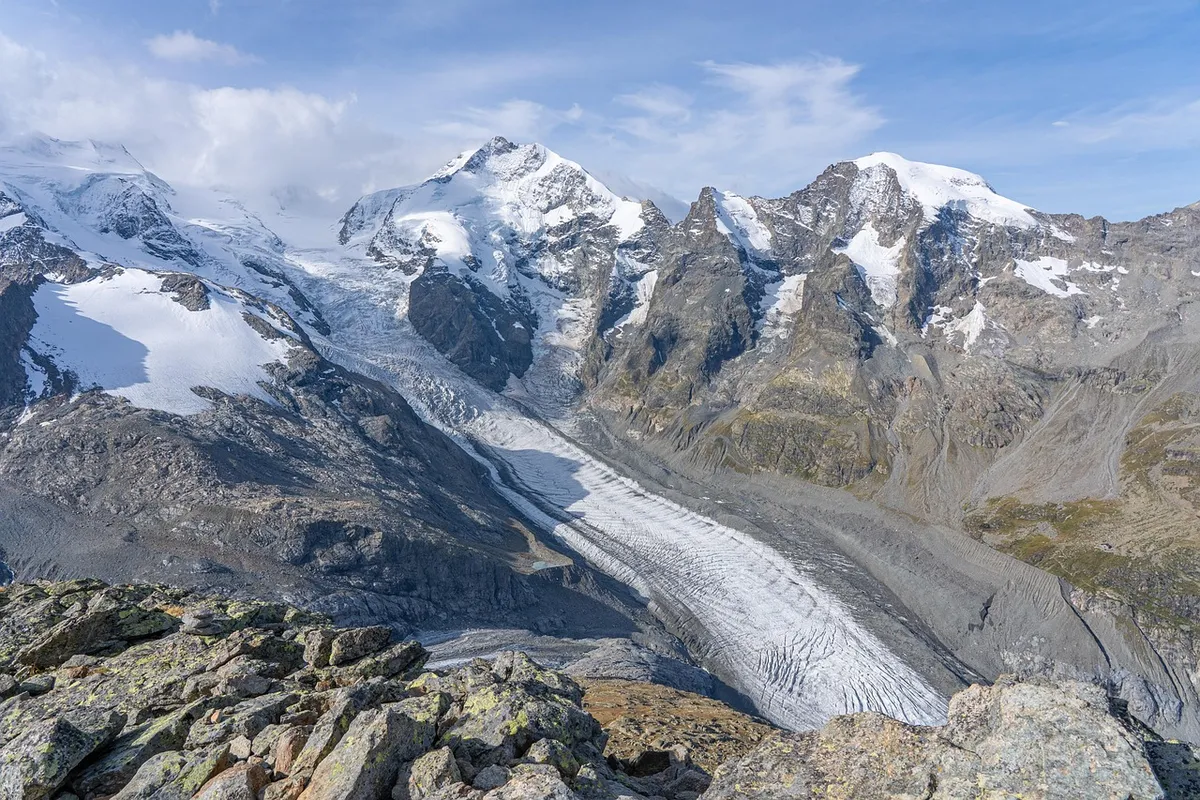
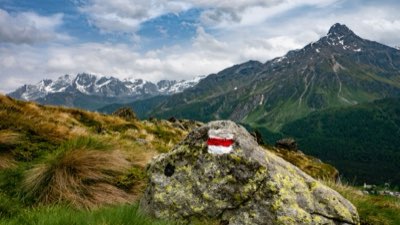
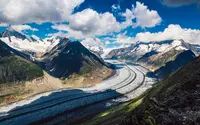
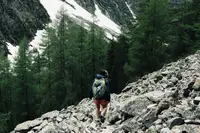
A hiker stands on a rocky ridge, staring at a receding white expanse that used to reach the valley floor. The sudden silence of the melting ice underscores the rapid change occurring in the high peaks.
According to Wikipedia: Climate change in Europe, climate change has resulted in an increase in temperature of 2.3 °C (4.14 °F) in Europe in 2022 compared to pre-industrial levels. This warming contributes to the instability of glacial structures and changing seasonal patterns.
Such shifts create a landscape that is increasingly unpredictable for those used to stable snowlines.
The Highland rapid thaw can alter terrain stability, making previously safe paths treacherous. As the ice thins, the ground beneath becomes more prone to movement.
- Glacial ice recedes from the mountain slopes.
- Exposed rock faces become unstable.
- Meltwater channels form new paths through the terrain.
What are the risks of an Alpine summer warning?
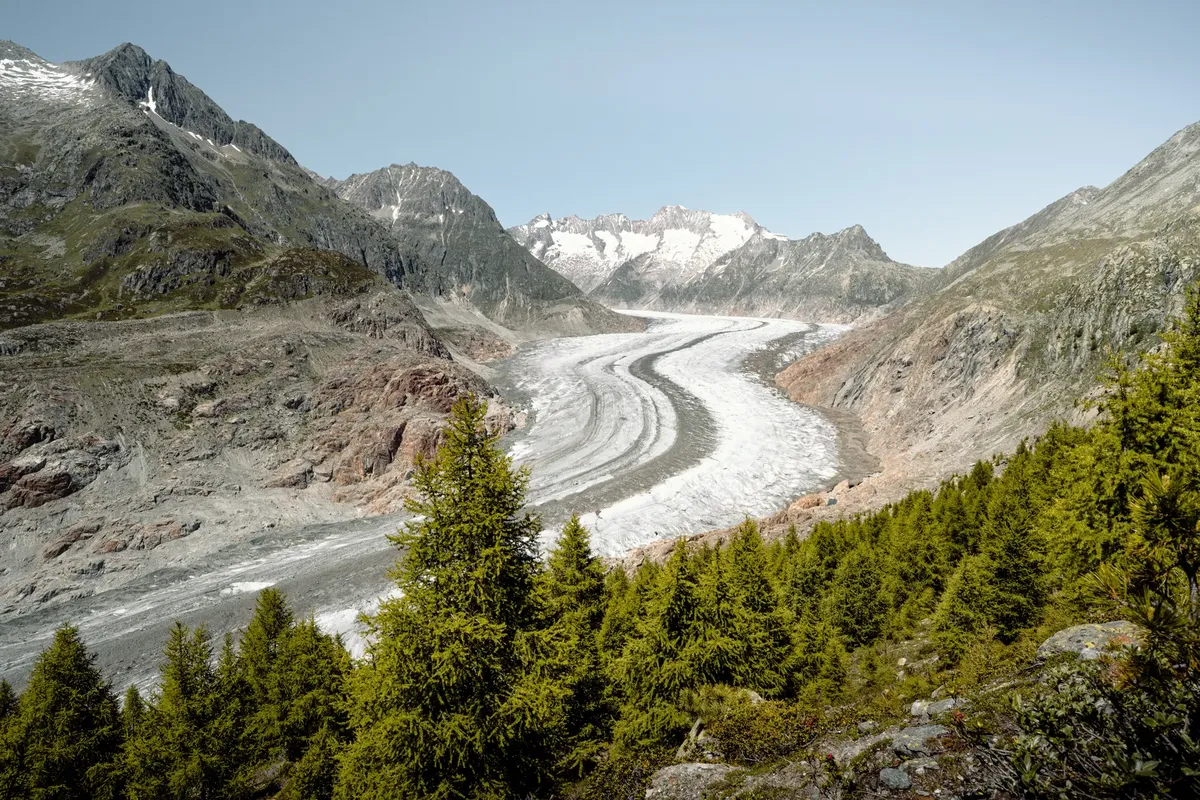
A traveler wipes sweat from their brow while looking at a dry, rocky stream bed where a glacier once flowed. The heat feels heavy against the mountain air, signaling a departure from cooler alpine norms.
The increasing frequency and intensity of extreme weather, such as heat waves, brings health risks and effects on ecosystems, including the 2026 European drought. These conditions can lead to sudden water shortages and unpredictable mountain weather.
Highland weather safety becomes a primary concern when heat waves intersect with high-altitude environments.
Glacier retreat fast processes can lead to increased rockfall and unpredictable runoff. Travelers should remain vigilant about the stability of the ground and the availability of water sources.
In this sequence, the second step is the most significant.
How can travelers manage Glacier travel advice?
A backpacker checks their water supply and shade gear before stepping onto a sun-drenched trail. The necessity of preparation is evident as the sun climbs higher over the peaks.
Managing risks in these changing environments requires specific actions to ensure safety during treks. Following these steps can mitigate some of the immediate dangers posed by extreme heat in the mountains:
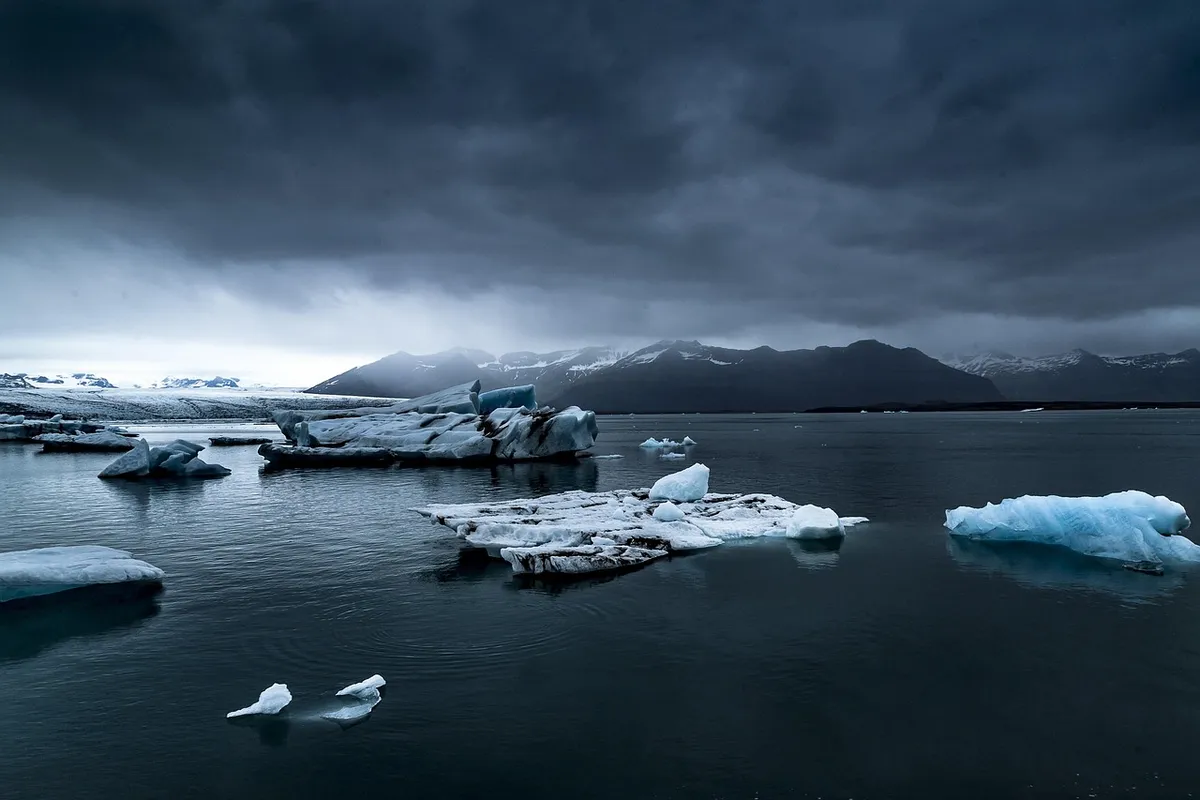
- Monitor local weather reports daily to stay ahead of sudden heat waves or drought-related shifts. 2. Carry significantly more water than usual to account for increased perspiration and dry conditions. assessing the stability of the path to avoid areas prone to melting-induced rockfalls.
I remember checking my hydration levels every hour during a trek to ensure the heat did not compromise my stamina. Glacier travel advice must prioritize physical readiness and environmental awareness.
What are the implications of Glacier retreat fast for the future?
A young child looks up at a massive, retreating ice wall, asking why the mountain looks so much smaller than in old photographs. The generational shift in perception is palpable in the quiet mountain air.
According to international climate experts, global temperature rise should not exceed 2 °C to prevent the most dangerous consequences of climate change; without reduction in greenhouse gas emissions, this could happen before 2050.
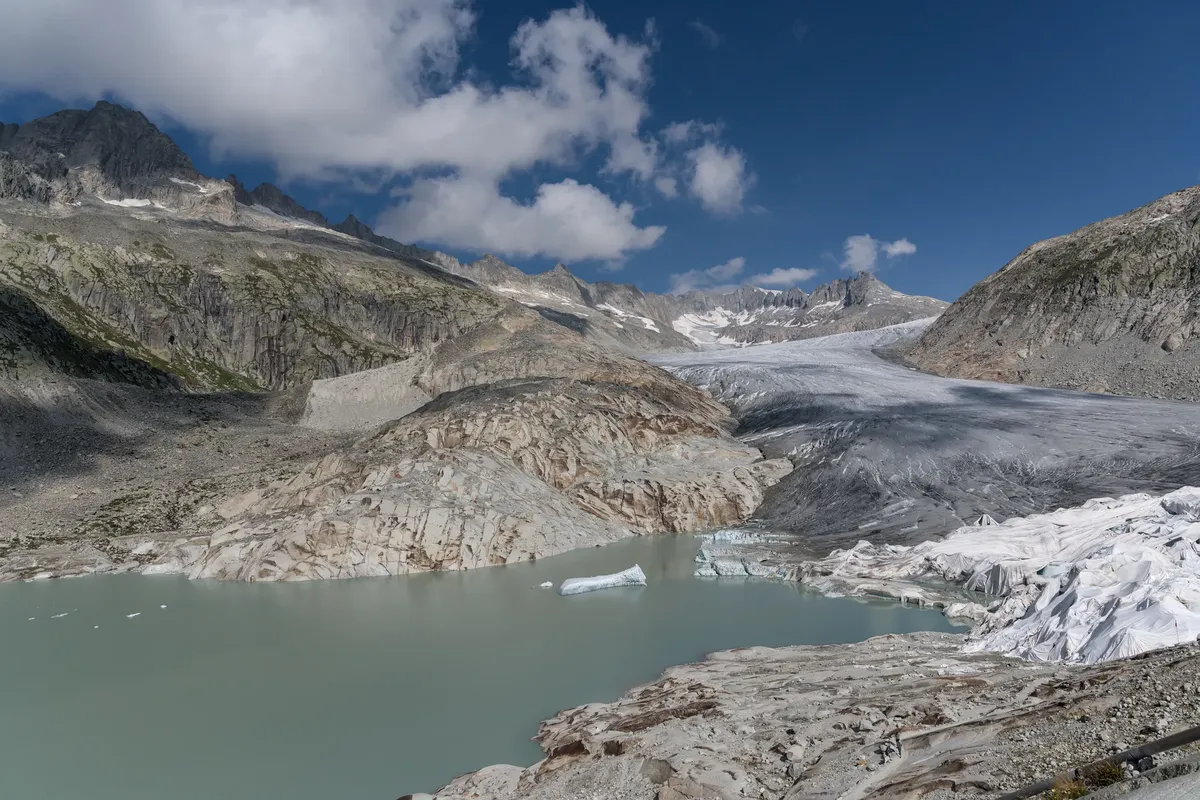
This timeline suggests that the landscapes travelers see today may look drastically different in the coming decades.
Public concern regarding these shifts is high, as evidenced by the fact that in the European Investment Bank's Climate Survey of 2020, 90% of Europeans believe their children will experience the effects of climate change in their daily lives.
How does the current climate compare to historical levels?
An environmental scientist compares modern temperature readings to historical data on a digital tablet. The discrepancy between the past and the present is starkly visible in the numbers.
According to data from the World Bank, Switzerland recorded international tourist arrivals of 11,818,000 in 2019.
The following table compares the temperature shift in Europe to the global target mentioned by experts:
| Metric | Value/Condition |
|---|---|
| Europe Temperature Increase (2022) | 2.3 °C (4.14 °F) |
| Target Global Temperature Rise | Should not exceed 2 °C |
While the European increase has already surpassed the suggested global limit, the impact on glaciers remains a critical point of study.
What are the limits of current climate observations?
A researcher adjusts a sensor on a melting glacier, noting the difficulty of measuring shifting terrain. The technical challenges of monitoring such a dynamic environment are constant.
The ability to predict specific local melting rates is limited by the complexity of local topography and sudden weather shifts. A concrete condition like the 2026 European drought shows how extreme weather can complicate long-term environmental modeling.
The same subject is also called Glacier melt extreme heat.
This part also covers Hot weather mountain tips.
Related
- Alpine Hiking: Match Trek Difficulty to Your Time Commitment
- Swiss Alps: 48 of 82 Peaks Accessed by Your Train Ride
How does the current condition compare to the past?
The present condition reflects a significant departure from historical norms, where the melting ice is a visible indicator of broader climatic shifts. The comparison between contemporary high-altitude conditions and past stable conditions reveals the scale of the warming trend.
This contrast underscores why the term melting is so relevant to the current experience of the peaks.
What is the main takeaway regarding the future?
The primary implication of the current trends is the necessity of drastic global action to stabilize the climate. The future viability of these landscapes depends on slowing the temperature increase before critical tipping points are reached.
Therefore, the observed retreating of the ice serves as a powerful visual metaphor for global environmental tipping points.
Comments 0