Swiss Alps Trip: Optimize Your 28-Day Journey Costs
"The best way to handle expensive transportation is to redesign the entire trip."
Choosing the right transit pass is the difference between a seamless adventure and a budget disaster. Depending on your itinerary, the right choice can save you hundreds of dollars.
* Swiss Travel Pass: Best for travelers seeking unlimited freedom and spontaneous changes. * Half Fare Card: Ideal for those with a fixed route who plan to use expensive mountain railways frequently. * Decision Factors: Consider total travel distance, frequency of mountain excursions, and how often you change locations.

Why is choosing a pass so stressful?
Late in the fall of 2025, a traveler stands on a platform at Interlaken Ost, leaning against a heavy suitcase while waiting for a yellow train. The crisp, biting air hits their cheeks, and they stare intensely at a smartphone screen, scrolling through endless travel blogs.
"Will the Swiss Travel Pass cover everything, or is the Half Fare Card the smarter move?" According to World Bank data, Switzerland recorded inflation (consumer prices) of 0.2% in 2025.
Switzerland is a country defined by its verticality. The Alps cover 60% of Switzerland's total 41,285 square kilometers (15,940 sq mi) surface area, making it one of the most alpine countries.
Because of this, the heart of any trip usually involves high-altitude mountain trains and cable cars. While moving between cities is efficient, the cost of mountain excursions is often the biggest variable threatening a traveler's budget.
This terrain forces travelers to calculate more than just distance; they must calculate altitude changes.
While most mountain regions are within 1 to 3 hours of major cities and their respective airports, traveling deep into the mountains or taking specialized glacier trains can cause costs and travel times to fluctuate wildly. The pass you choose acts as the first gear in your travel machine.
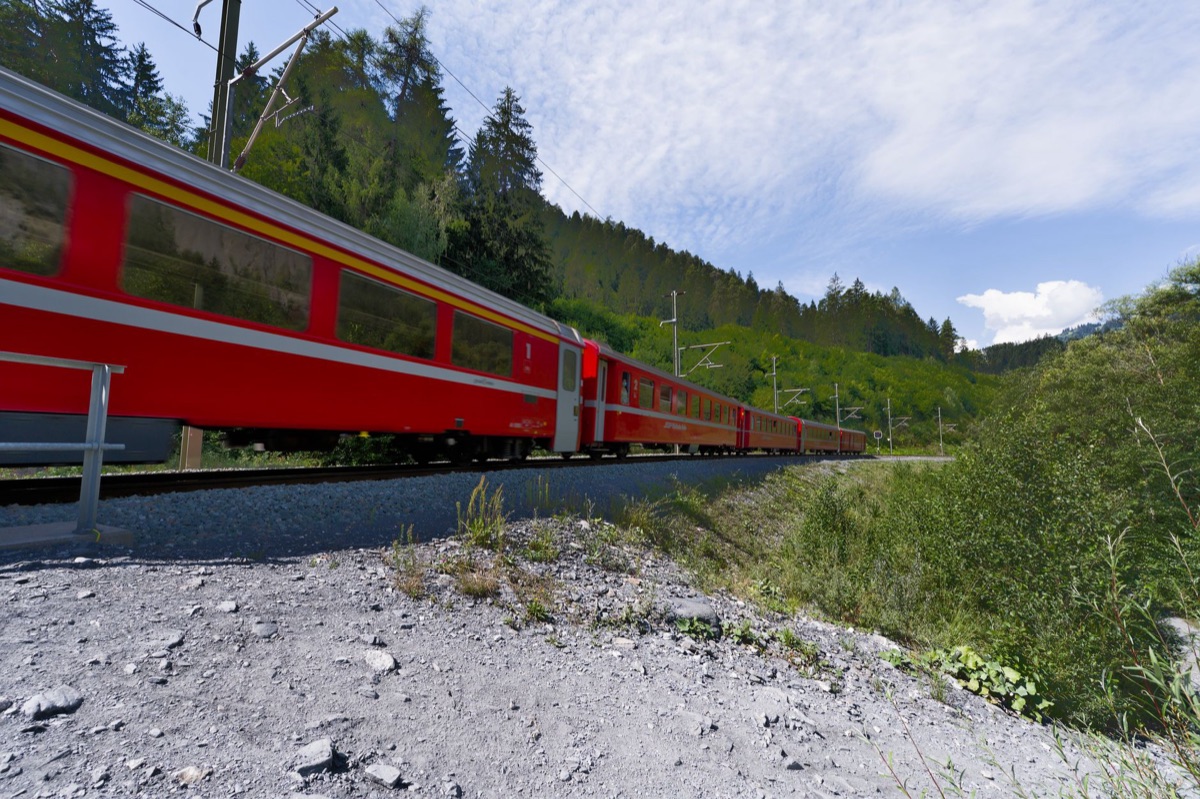
Is the Swiss Travel Pass right for me? A traveler walks through a gate in Lucerne, tapping a pass and moving forward with a light step. There is no need to stand in line for a new ticket every time; one pass grants access to almost every train, bus, and boat in the country.
The Swiss Travel Pass acts as an all-access pass for a set number of days. Its greatest appeal is the ability to embrace the unpredictable. If you suddenly decide to visit a village you hadn't planned on, or if you want to hop on a boat mid-day, there is no extra cost to worry about.
This pass maximizes flexibility. It often includes local city transport and specific boat excursions, meaning there are almost no barriers to exploration.
For travelers with complex itineraries who move between multiple cities, it provides a sense of psychological security that allows them to focus on the scenery rather than the fare.
But what happens when the terrain gets steeper and the prices get higher?
Should I choose the Half Fare Card for efficiency? In a small village in Graubünden, a traveler stands in line for a mountain cogwheel train, pulling a small card from their wallet. They must purchase a new ticket for every leg of the journey, but because every ticket is half-price, they pay without hesitation.
The Half Fare Card is exactly what it sounds like: a card that grants a 50% discount on almost all public transportation. It is not an unlimited pass, but because you only pay for the specific routes you take, it can be much more economical for travelers who don't move constantly.
For those whose primary goal is high-altitude exploration, the Half Fare Card is a powerful alternative. Since mountain railways and cable cars are notoriously expensive, staying in one region and using the discount for specific climbs can often result in a lower total cost than an unlimited pass.
It is a perfect strategy for travelers with a clear, fixed route or those staying longer in specific mountain hubs.
However, choosing between these two requires more than just looking at a price tag.
Which one wins? The decisive comparison
An afternoon sun shines through a cafe window as a traveler sits down, pulling out a notepad and a pen. On the left, they write the price of a Swiss Travel Pass; on the right, they list the cost of individual tickets using the Half Fare Card.
To decide which is better, you must quantify the nature of your trip. Use the guide below to weigh your options.
| Comparison Item | Swiss Travel Pass | Half Fare Card |
|---|---|---|
| Core Feature | Unlimited travel, maximum freedom | 50% discount on all transport, budget-focused |
| Best For | Frequent travelers with fluid schedules | Travelers with fixed routes and high mountain usage |
| Pros | No need to buy tickets daily; peace of mind | Significant savings if travel volume is low |
| Cons | Can be a waste of money if you don't travel much | Requires buying a new ticket for every single trip |
| Key Consideration | Total duration and frequency of travel | Frequency of expensive mountain excursions |
4-Step Checklist for Choosing Your Pass
- Calculate Total Trips: If you plan to use trains, buses, or boats more than three times a day, the Swiss Travel Pass is likely your best bet.
- Evaluate Mountain Costs: If your trip is centered on expensive climbs like Jungfraujoch or Gornergrat, using the Half Fare Card for base travel and applying the discount to mountain legs might save more.
- Assess Schedule Fluidity: If you want to change your route on a whim or jump on a different train if you miss one, go with the Swiss Travel Pass.
- Analyze Your Base of Operations: If you are staying in one hotel for 3+ days and only doing day trips, the Half Fare Card is often much more economical.
But how do you balance these numbers against a real-world itinerary?
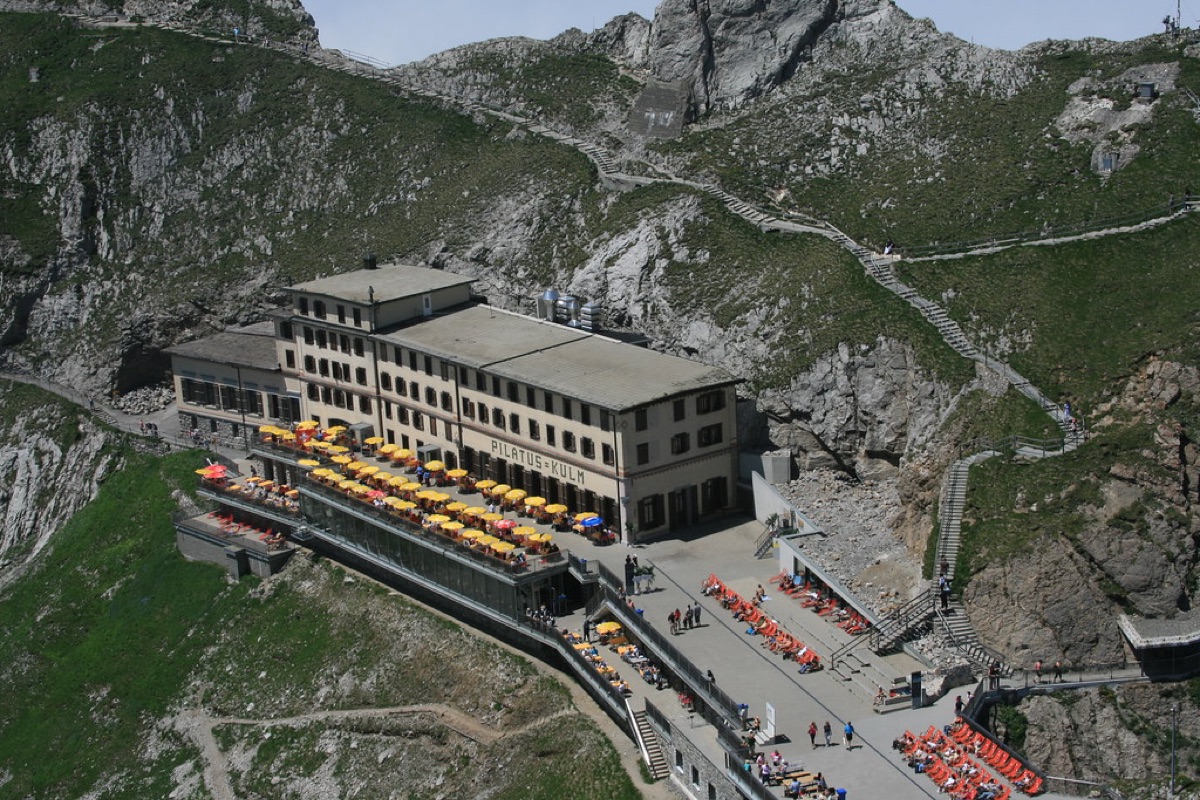
Tailoring the combination to your journey
A traveler unpacks a bag in a cozy mountain chalet. Their plan is to spend the first half of the trip moving between cities and the second half staying put in a mountain village, focusing on high-altitude excursions.
Choosing between the two doesn't always have to be an "either-or" decision. You can adjust your strategy as your trip evolves. For example, you might use a short-term Swiss Travel Pass during a high-mobility phase and then rely on local discounts once you settle into a base.
However, the main battle is usually between "total distance" and "mountain climbs." If your itinerary is long and involves constant relocation, the unlimited value of the Swiss Travel Pass makes sense.
If you have one or two main bases and are exploring the surrounding peaks, the Half Fare Card is the smarter financial move.
When I was planning my own trip through the Bernese Oberland, I spent hours looking at maps, trying to decide if the ease of an unlimited pass was worth the extra 200 dollars. I eventually realized that my desire to wander was just as important as my budget.
Final checks for your trip preparation
Inside a train passing through a dark tunnel, a traveler gazes out at the snow-capped peaks. Along with the excitement of the journey, they double-check to ensure their chosen pass was the right decision.
Important Notes When Selecting a Pass
* Check Validity Periods: The Swiss Travel Pass is available for various durations. When planning for 2026, ensure you purchase it only after your travel dates are firm. * Verify Discount Rates: Discount percentages for mountain railways can vary depending on which pass you hold. Always check the specific discount for your intended route. * Mandatory Reservations: Some popular routes, such as the Glacier Express, may require a seat reservation even if you have a valid pass. * Verify Locally: Transport systems can be complex. It is a good habit to confirm how your pass applies to a specific route at a local station ticket window upon arrival.


Comments 0