Alpine lodging for hiking: How to choose best mountain stays
"Choosing between a rustic mountain hut, a luxury hotel, or a charming alpine village depends entirely on your hiking intensity and desired recovery style."
Choosing the right Alpine lodging for hiking means balancing how easy it is to get to, the height, and the available features so your energy level matches your hiking goals.
This guide helps hikers decide between high-altitude huts, valley-based hotels, or traditional village stays based on their specific trekking needs.
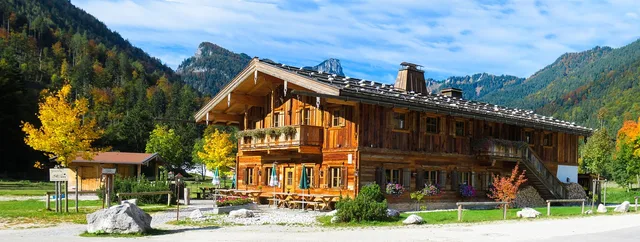
* Mountain Huts: Best for high-intensity, multi-day treks where proximity to the trail is vital. * Alpine Hotels: Ideal for hikers seeking comfort, spa recovery, and easy access to mountain railways. * Alpine Villages: Perfect for those who prefer a central base with diverse dining and transport options. * Limitation: High-altitude huts often lack private bathrooms and electricity, which may not suit all travelers.
How to choose Alpine lodging for hiking?
At dawn, you squint against the bright light while clutching a map in the alpine valley.
A hiker stands at a crossroads in Zermatt, looking up at the jagged peaks while holding a heavy pack and a paper map. The choice between a village hotel and a high-altitude hut determines whether the next morning begins with a coffee in a cozy lounge or a sunrise climb from a bunk bed.
Mountain hut stays offer the most direct access to technical trails, allowing hikers to start their ascent before the crowds arrive. These structures are often located at high elevations, providing a sense of immersion in the wilderness that valley hotels cannot replicate.
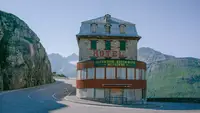
For those prioritizing comfort, a hotel near peaks provides essential recovery tools like heated rooms and gourmet meals. This option is best suited for hikers who use cable cars or mountain railways to reach their starting points.
Village base camps serve as a versatile middle ground, offering a wide range of services and easy connections to various trailheads. This setup allows for a rotating itinerary without the need to move heavy luggage every night.
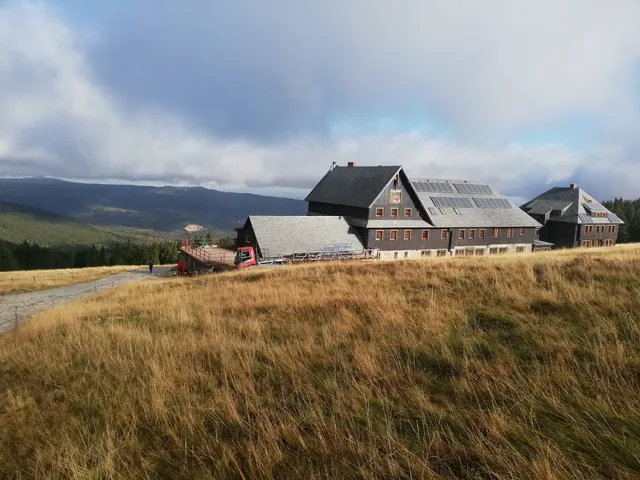
- Check the proximity to trailhead access points.
- Verify the availability of gear storage facilities.
- Confirm if the lodging offers breakfast for early departures.
Which stay type is best for me?
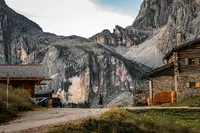
The sun rises over the Dolomites, casting long shadows across the limestone cliffs as a hiker adjusts their boots near a stone-walled lodge. Each lodging type offers a distinct way to experience the mountains, depending on the traveler's specific objectives.
| Lodging Type | Primary Advantage | Best For |
|---|---|---|
| Mountain Hut | Trail Proximity | Multi-day trekking |
| Alpine Hotel | Recovery Amenities | Luxury & Comfort |
| Alpine Village | Accessibility | Diverse itineraries |
I once spent a night in a high-altitude hut where the silence of the peaks was only broken by the wind against the wooden shutters. This experience allowed me to feel the true scale of the mountains in a way a valley stay never could.
In this order, the second one is the longest.
How to plan your mountain stay?
A traveler sits in a quiet café in Interlaken, marking potential locations on a topographical map with a graphite pencil. Planning requires a logical sequence to ensure that lodging matches the physical demands of the chosen routes.
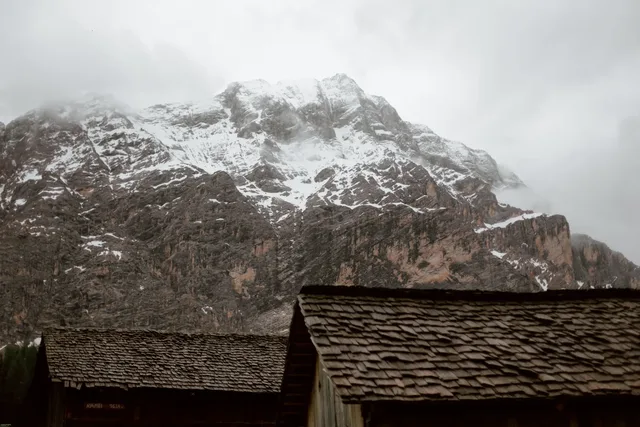
- Identify the primary hiking trails and their difficulty levels to determine if you need to stay on the path or in a valley. 2. Check the seasonal operation dates for mountain huts, as many close during the shoulder seasons. 3. Book accommodations in advance, especially for popular hubs like Chamonix or Zermatt, to secure preferred locations.
Perform a final check by verifying the elevation of your chosen lodging to ensure you are properly acclimated for the next day's climb.
What is it like to explore the Alps?
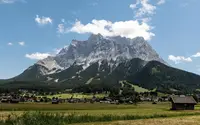
The scent of pine needles fills the air as a hiker walks through a lush meadow in the Tyrol region. Understanding the geography of the Alps is essential for selecting a base that aligns with the terrain you wish to explore.
Using mountain railways is a common way to bridge the gap between a village stay and high-altitude hiking. Many regions offer integrated passes that make moving between different valley bases and mountain stations seamless and cost-effective.
Hiking trails near resorts are often well-marked and managed, providing a safe environment for those who prefer structured paths. These areas frequently feature a mix of easy strolls and challenging climbs, catering to various fitness levels.
The best Swiss Alps hotels often sit at the edge of major trail networks, combining high-end service with immediate access to the outdoors. This allows hikers to transition from a professional massage to a steep ascent within minutes.
Understanding regional tourism
A group of travelers gathers in a bustling terminal, checking digital boards for train departures. The scale of movement in these mountain corridors is significant, reflecting the global popularity of the region.
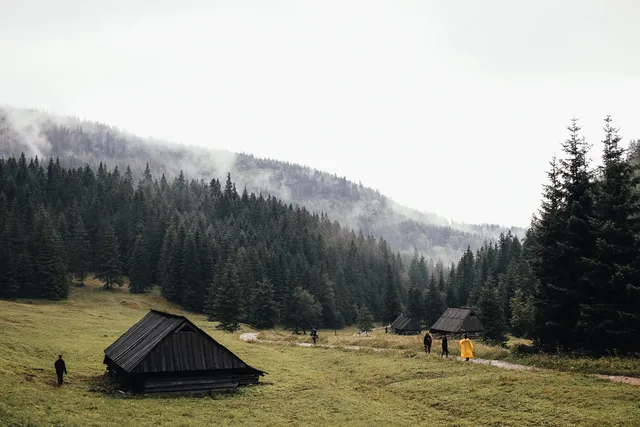
The World Bank provides data that can influence the understanding of regional tourism across different areas.
According to World Bank data, Switzerland recorded international tourist arrivals of 11,818,000 in 2019. This high volume of visitors underscores the importance of early planning and the availability of diverse lodging options.
The infrastructure in these regions is designed to handle large numbers of people, from high-capacity cable cars to extensive rail networks. This connectivity ensures that even those staying in remote villages can reach major peaks with ease.
Choosing the right Alpine lodging depends on whether you prioritize the ruggedness of a mountain hut, the comfort of a hotel, or the convenience of a village.
Comments 0