Dolomites lodge stay guide: How to select best lodging
This Dolomites lodge stay guide helps travelers select between high-altitude mountain huts and valley hotels while pairing them with authentic South Tyrolean dining. You should focus on booking rifugios early for peak hiking seasons, prioritize local Ladin or Italian specialties in mountain villages, and prepare for varying accessibility depending on the trail. One limitation is that mountain hut availability is strictly seasonal and weather-dependent. 1. Select lodging based on hiking proximity or valley comfort. 2. Pair stays with regional Ladin and Italian culinary experiences. 3. Plan logistics around mountain hut accessibility.
Where should I stay in the Dolomites?
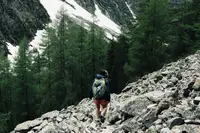
A hiker steps onto a narrow gravel path, feeling the cool morning air of the Dolomites as the sun hits the jagged limestone peaks. Finding the right Dolomites lodge stay depends on whether you want to wake up above the clouds or sleep in a comfortable valley village.
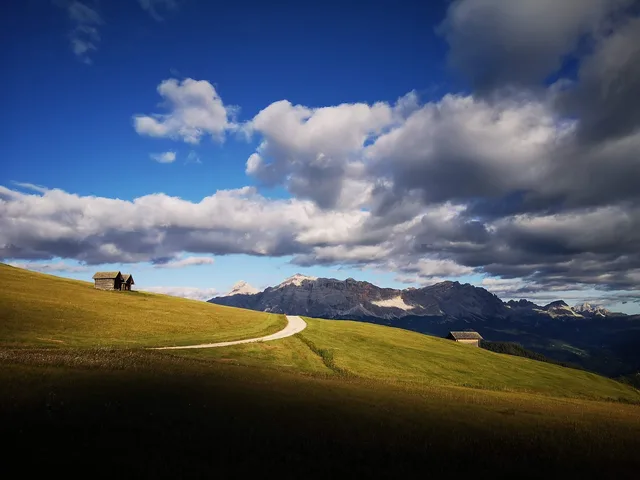
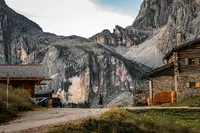
High-altitude rifugios offer direct access to world-class trails, allowing you to begin your trek the moment you step outside your door. These mountain huts provide a rustic, communal atmosphere that is essential for those pursuing long-distance trekking routes.
Conversely, valley hotels in towns like Cortina d'Ampezzo or Ortisei provide more amenities, including spas and diverse dining options.
I remember sitting on a wooden bench at a high-altitude hut, watching the light shift across the pale rock faces. Choosing between these options requires balancing your desire for adventure with your need for modern comforts.
How do I find the best Dolomites dining spots? Dolomites lodge stay guide
I inhale the scent of toasted spices in a cozy mountain village as I sit down to eat in the Dolomites.
A waiter carries a steaming plate of Canederli through a sunlit wooden dining room in a mountain village. Locating the best Dolomites dining spots involves seeking out restaurants that emphasize the unique fusion of Italian and Ladin cultures.
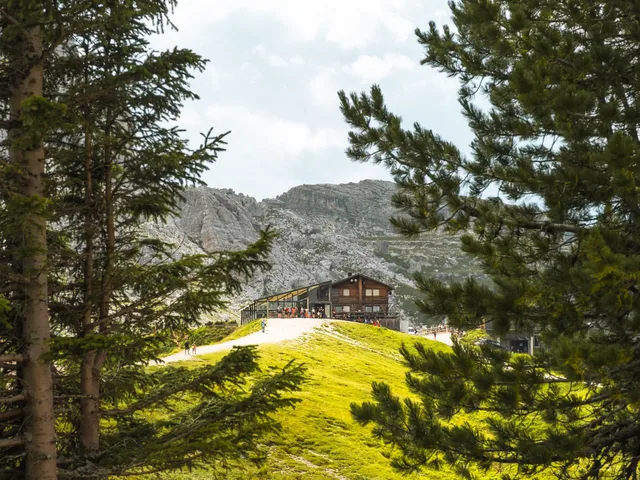
Local eateries often feature hearty ingredients sourced from nearby alpine pastures, such as mountain cheeses and cured meats. You will find that many mountain huts serve simple, high-energy meals perfect for hikers, while valley restaurants offer more elaborate multi-course dinners.
To experience true local flavors, look for menus featuring polenta, speck, and seasonal mushrooms.
For those seeking specific mountain village lodging, many dining establishments are located within walking distance of the main village centers. This allows for easy transitions between a day of exploring and an evening of culinary discovery.
According to World Bank, the 2025 record includes 97.3%.
How can I better book hotels in the Alps?
A traveler clicks through a booking site, checking availability for a remote mountain lodge during the summer months. Effective Alps hotel booking requires foresight, especially when targeting popular rifugios or luxury valley resorts.
- Research the specific elevation and trail access of the lodge to ensure it aligns with your hiking itinerary. 2. Book mountain huts several months in advance if you plan to stay during the peak summer or winter seasons. 3. Verify the amenities provided, as high-altitude huts often have limited electricity and shared facilities.
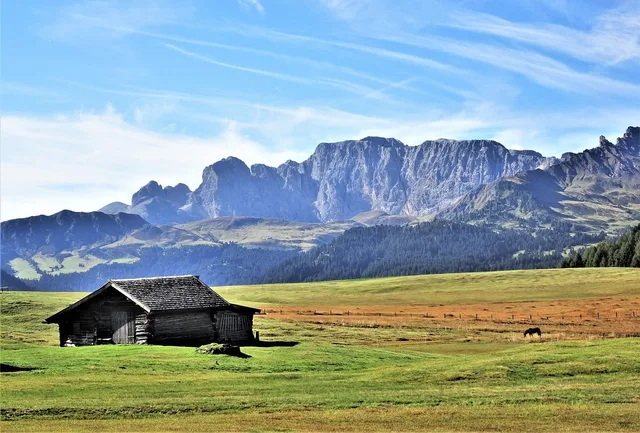
After completing these steps, do a final check of the transport requirements to ensure you can reach the lodge via cable car or hiking trail. Using these tips can prevent the frustration of arriving at a location that is inaccessible or lacks the necessary facilities for your needs.
Can I use mountain village lodging for food tours?
A group of friends walks through a cobblestone street, following the scent of fresh bread from a local bakery. Mountain village lodging serves as an excellent base for exploring regional gastronomy without the need for daily long-distance travel.
Staying in a village allows you to rotate through different local eateries, from casual bakeries to fine-dining establishments. This approach makes it easier to sample a wide variety of Alpine specialties, such as local cheeses and traditional pastries.
Many travelers find that staying in a central village provides a more diverse range of dining options than staying exclusively in remote huts.
How to navigate Dolomites restaurant reviews?
A person sits in a quiet cafe, reading through local food guides on a tablet. Navigating Dolomites restaurant reviews helps travelers distinguish between tourist-oriented spots and authentic local gems.
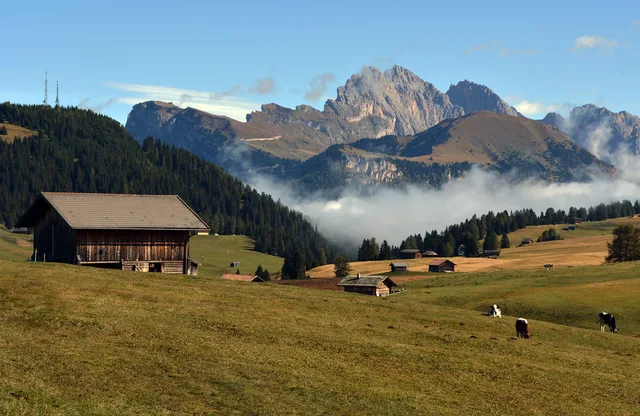
When looking for authentic experiences, prioritize reviews that mention specific regional dishes like Casunziei or Knödel. Many high-quality dining spots are located within the mountain huts themselves, which can be found through specialized hiking guides rather than standard urban review platforms.
This method ensures you find the best Italian mountain food even in remote areas.
| Lodging Type | Primary Focus | Dining Style |
|---|---|---|
| Mountain Rifugio | Trail Access | Rustic/Hearty |
| Valley Hotel | Comfort/Amenities | Diverse/Formal |
The subject here is Dolomites lodge stay guide.
The same subject is also called Alps hotel booking tips.
This part also covers Tips for mountain travel.
Related
- Dolomites lodging guide: How to choose your perfect stay
- Alps mountain hotel altitude choice: Tips for best stays
What conditions affect the Dolomites lodge experience?
- The availability of mountain hut lodging is strictly dictated by the hiking season and prevailing weather conditions. 2. Accessibility to a specific Dolomites lodge depends heavily on the chosen trail or the proximity of valley infrastructure.
The seasonal nature of the rifugios means that travelers must coordinate their itinerary around the operational periods of these mountain huts. This condition contrasts sharply with the more consistent service found in valley hotels.
According to World Bank data, Switzerland recorded share of internet users of 97.3% in 2025.
How does lodging type influence dining choices?
The choice of Dolomites lodge significantly shapes the culinary adventure available to the traveler. Mountain huts inherently direct the dining experience toward rustic, high-energy fare suitable for trekkers.
Valley hotels, however, afford access to a broader spectrum of dining formality and variety.
When selecting a lodge, consider that the dining style offered at a mountain rifugio emphasizes local, hearty ingredients, whereas a valley hotel may feature more elaborate, multi-course Italian meals.
This comparison allows visitors to align their lodging preference with their desired gastronomic focus.
For instance, a stay in a remote mountain hut encourages sampling regional specialties like speck and polenta, while a valley lodge might facilitate a more varied culinary tour.
Careful consideration of these differences ensures the Dolomites lodge stay meets the traveler's expectations for both adventure and cuisine.
Comments 0