Swiss hut guide before trip: How to best prepare for peaks
"The mountains are calling, but the logistics of the high altitude require careful preparation."
This Swiss hut guide before trip ensures you are prepared for the unique environmental and logistical demands of alpine living. Travelers should focus on altitude awareness, connectivity expectations, and regional accessibility to avoid common discomforts.
This guide covers essential preparations, though it does not account for real-time weather shifts during your specific stay.
* Understand the high concentration of peaks in the Swiss Alps. * Prepare for varying altitudinal climate zones. * Note the accessibility of mountain regions from major cities. * Check connectivity availability in remote areas.
What to expect from the landscape?
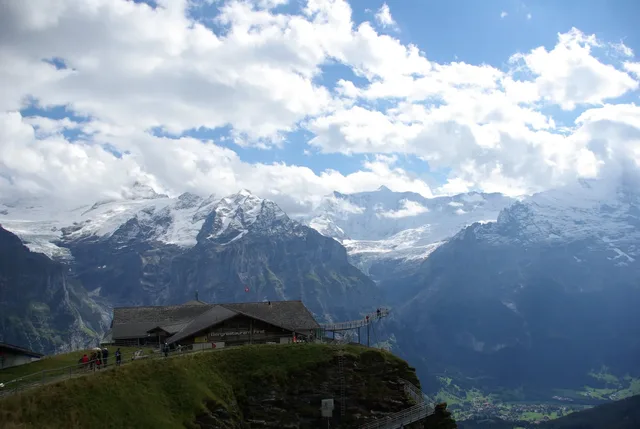
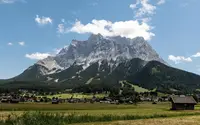
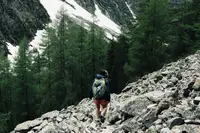
A hiker stands on a ridge, looking out over a vast expanse of white and granite. The Swiss Alps cover 60% of Switzerland's total 41,285 square kilometres (15,940 sq mi) surface area, making it one of the most alpine countries.
This massive terrain means your mountain lodge checklist must account for significant elevation changes.
The sheer density of high-altitude terrain is striking. Although Switzerland covers only 14% of the Alps total 192,753 square kilometres (74,422 sq mi) area, 48 out of 82 alpine four-thousanders are located in the Swiss Alps. This concentration means many huts are positioned near extreme peaks.
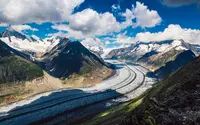
The environment is defined by ice and water. The glaciers of the Swiss Alps cover an area of 1,220 square kilometres (470 sq mi), which is 3% of the Swiss territory. This represents 44% of the total glaciated area in the Alps. You will likely see these massive ice structures from your lodge window.
I find that the second stage of the trek offers the most expansive views.
How does altitude affect my stay? Swiss hut guide before trip
The air grows thin and cold as you climb higher toward your destination. You feel the drop in temperature against your skin while adjusting your heavy pack.
As the temperature decreases with altitude (0.56 °C [33.01 °F] per 100 m [330 ft] on yearly average), you must prepare for distinct climate shifts.
Alpine stays require understanding these three different altitudinal zones, each having distinct climate, found in the Swiss Alps. The Subalpine zone is the region that lies below the tree line. Knowing which zone your hut occupies is vital for choosing the right gear.
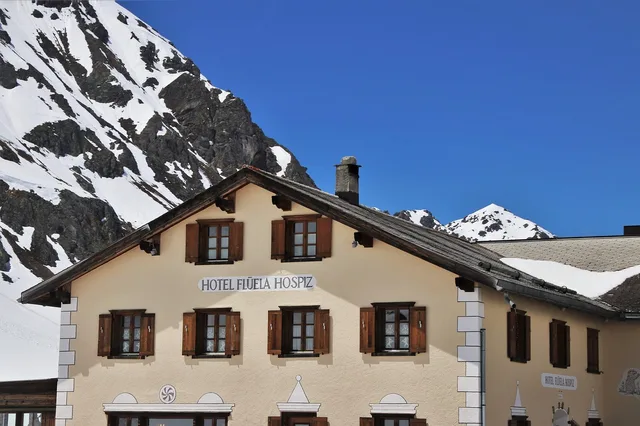
An Alpine stay prep guide should emphasize thermal layers. I remember checking my thermometer at a high pass and feeling the sudden chill that comes with every hundred meters of ascent. This temperature drop is a constant factor in mountain living.
- Monitor your breathing patterns.
- Increase your daily water intake.
- Rest frequently during acclimatization.
According to World Bank, the 2025 record includes 97.3%.
How can I reach remote mountain lodges?
At dawn, I grip the window ledge of the train as it rattles through a narrow Swiss valley.
A train glides through a narrow valley, passing through tunnels carved into the rock. Most mountain regions are within 1 to 3 hours travel of Switzerland's main cities and their respective airport.
This proximity makes planning a Swiss mountain hotel info search relatively straightforward for many travelers.
For deeper excursions, the journey takes longer. The Engadine in Graubünden is between 3 and 6 hours away from the large cities. The train journey itself, with the panoramic Glacier Express or Bernina Express, is popular with tourists.
Travelers can also utilize major infrastructure to traverse the range. The 57.1 km (35.5 mi) long Gotthard Base Tunnel, the longest railway tunnel of the world, opened in 2016 and provides a direct flat rail link through the Alps.
This allows for efficient movement between valleys and high-altitude access points.
What connectivity should I anticipate?
You sit on a wooden bench in a hut, holding a smartphone up toward the ceiling. You are trying to check a map or send a quick message to your group. While digital access is high in the country, the mountains present unique challenges for signal strength.
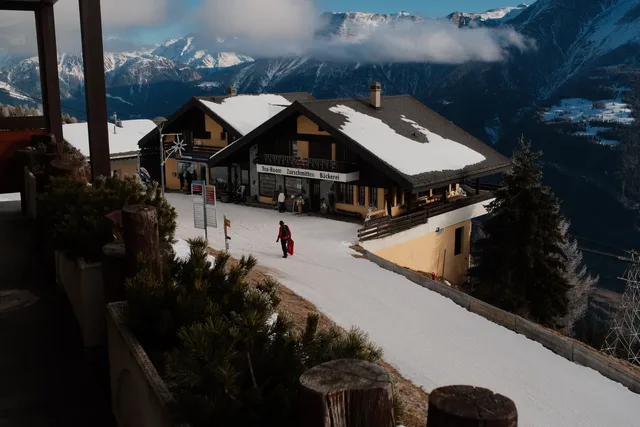
According to World Bank data, Switzerland recorded share of internet users of 97.3% in 2025. This high level of connectivity generally applies to urban and semi-urban areas. However, being in a high-altitude hut may limit your access to these networks.
Using Swiss travel passes in huts often requires offline maps. You should download all necessary navigation data before leaving the valley. Relying solely on live data in the high Alps can be risky due to the terrain.
How do I prepare for mountain lodge stays?
A traveler lays out their gear on a wooden floor, checking each item against a list. The room is small, and the space is limited to what you can carry. Preparing for mountain lodge stays involves a specific sequence of physical and logistical steps.
- Verify the altitude of your hut to prepare for the 0.56 °C temperature drop per 100 m. 2. Download offline maps and digital guides to compensate for potential signal gaps in the peaks. 3. Pack lightweight, high-quality thermal layers suited for the specific altitudinal zone of your stay.
I find that checking my gear one last time before the final ascent is the most important part of the process. After completing these steps, perform a final check of your water supply and emergency supplies.
What are the water and lake conditions?
The sun reflects off a crystal-clear surface as you approach a mountain lake. You reach down to touch the freezing water, feeling the intense cold. Switzerland possesses 6% of Europe's freshwater, and is sometimes referred to as the "water tower of Europe".
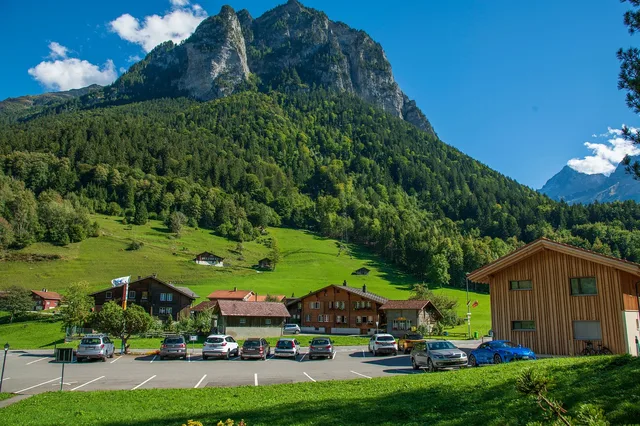
Large water bodies vary greatly by elevation. Some large artificial lakes can be found above 2,300 metres (7,500 ft), but natural lakes larger than 1 km2 (0.39 sq mi) are generally below 1,000 metres (3,300 ft).
There are exceptions, such as lakes in the Engadin like Lake Sils, and Oeschinen in the Bernese Oberland.
The landscape is also changing due to glacial movement. The melting of low-altitude glaciers can generate new lakes, such as the 0.25 km2 (0.097 sq mi) large Triftsee which formed between 2002 and 2003. This dynamic environment means the scenery you see may differ from older guidebooks.
The subject here is Swiss hut guide before trip.
The same subject is also called Hut booking essential tips.
This part also covers What to know about high altitude living.
What to know about high altitude living
Related
Comments 0