Alpine huts: Why locals love Alpine huts why
"The mountains do not merely provide a backdrop; they dictate the rhythm of life for those who seek refuge in the high peaks."
Local travelers often choose Alpine huts to experience the authentic pulse of the mountains while accessing vast trail networks.
This guide explores why these high-altitude stays remain a cornerstone of regional tourism, covering the logistical benefits of the trail systems, the distribution of lodging, and the economic footprint of the industry.

This overview covers the scale of the Swiss hiking network, regional lodging distribution, and the impact of international visitors.
Why locals love Alpine huts through the lens of the trail network?
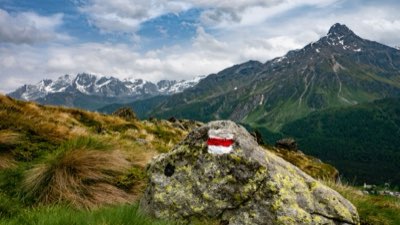
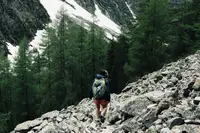
A hiker steps onto a rugged path where the air feels thin and the horizon stretches endlessly. The vastness of the terrain is defined by a total hiking trail network of about 65,000 km (40,000 mi).
This massive network provides the primary reason why locals love Alpine huts, as these structures serve as vital waypoints for those traversing the rugged landscape. The sheer scale of the trails ensures that travelers always have a destination or a place to rest.
This expansive connectivity makes the mountain regions accessible to both seasoned trekkers and casual walkers.
However, the benefits of these connections are limited when trail maintenance is neglected.
What defines the local guide to Alpine huts regarding regional distribution?
Under the dim light of dusk, a traveler traces a finger across a paper map to study the placement of each alpine shelter across the valley.
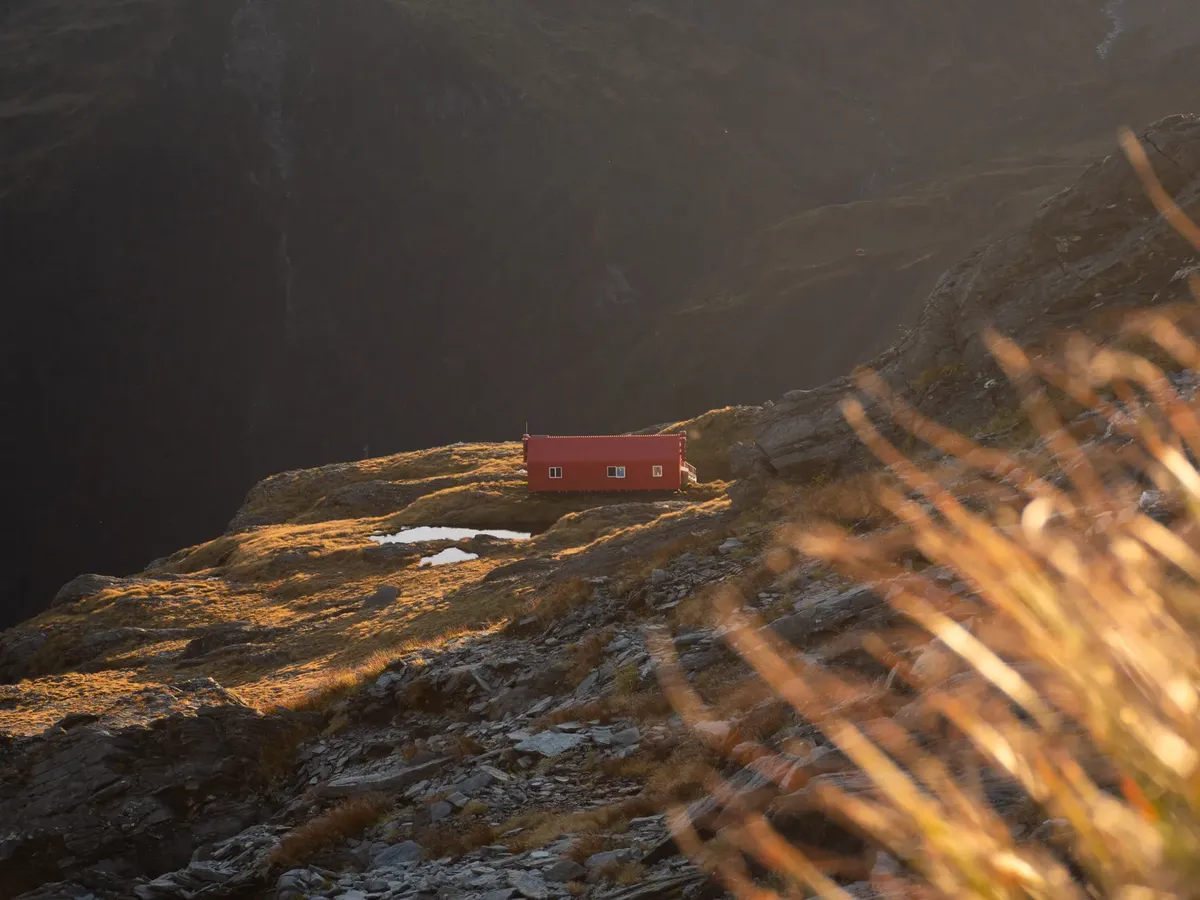
A traveler checks a paper map in a dim room, noting the concentration of stays in specific mountain provinces. The distribution of lodging varies significantly across different regions, such as Grisons, which holds 14% of hotels.
Understanding the regional density is essential for any local guide to Alpine huts. For instance, 12% of hotels are located in the Valais and Eastern Switzerland, while 11% are in Central Switzerland and 9% are in the Bernese Oberland.
These figures show how different sectors of the country manage their hospitality capacity.
This section focuses on the second aspect of distribution.
How to manage authentic Alpine hut stays during peak seasons?
A visitor arrives at a wooden door, carrying a heavy pack and seeking a warm meal after a long day of climbing. Managing the logistics of authentic Alpine hut stays requires understanding the seasonal capacity of the region.
To navigate these stays effectively, follow these steps:
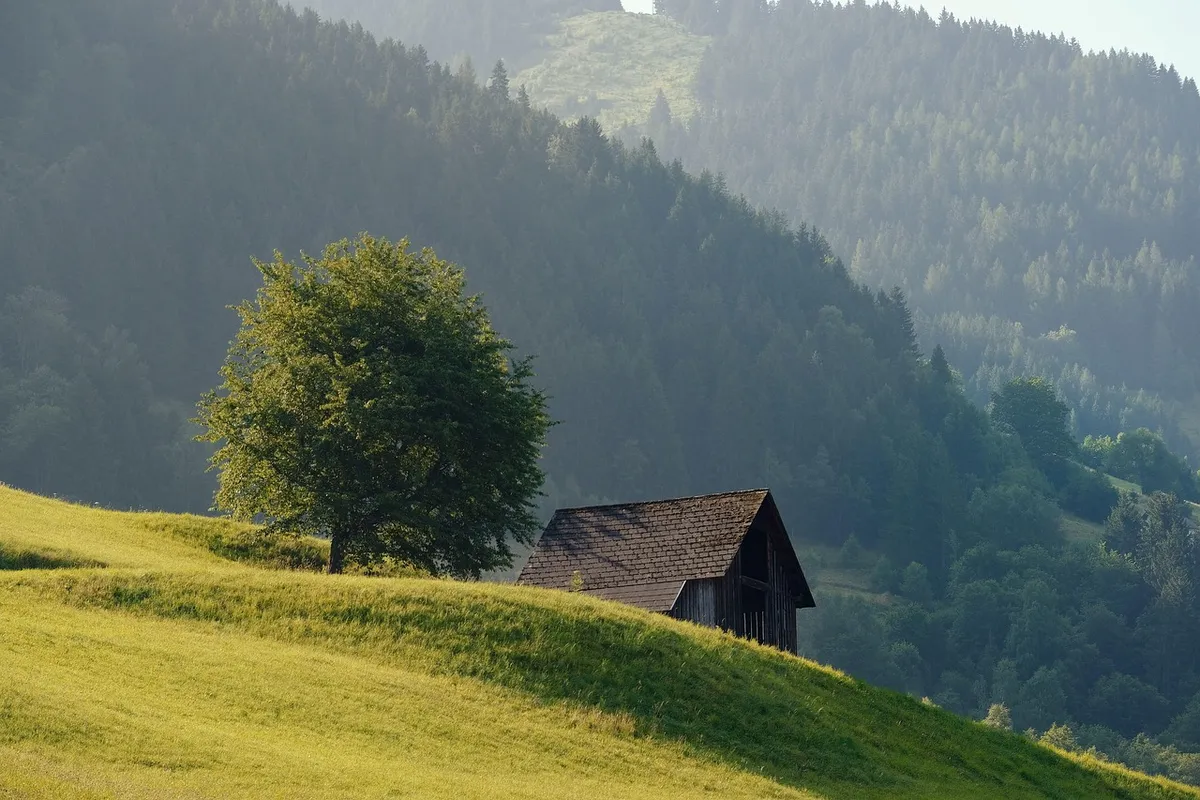
- Verify the regional availability of lodging to ensure your destination matches your itinerary. 2. Check the capacity saturation, which reached 41.7% in recent years, amounting to a total of 38.8 million lodging nights. 3. Plan your route based on the specific percentage of hotels available in your target province.
I once compared the density of hotels in Grisons to the Valais to better understand my trekking route. These steps ensure a smoother transition from the trail to the bed.
- Research availability well in advance.
- Coordinate arrival times with hut keepers.
- Pack essential supplies to minimize resource strain.
Why choose Alpine huts for international connectivity?
A group of travelers from different nations gathers around a communal table, sharing stories of the day's climb. The presence of international visitors highlights the global appeal of the Swiss landscape.
The data shows that 56.4% of lodging nights were by visitors from abroad. Within this group, 16.5% were from Germany, 6.3% from the United Kingdom, 4.8% from the United States, 3.6% from France, and 3.0% from Italy.
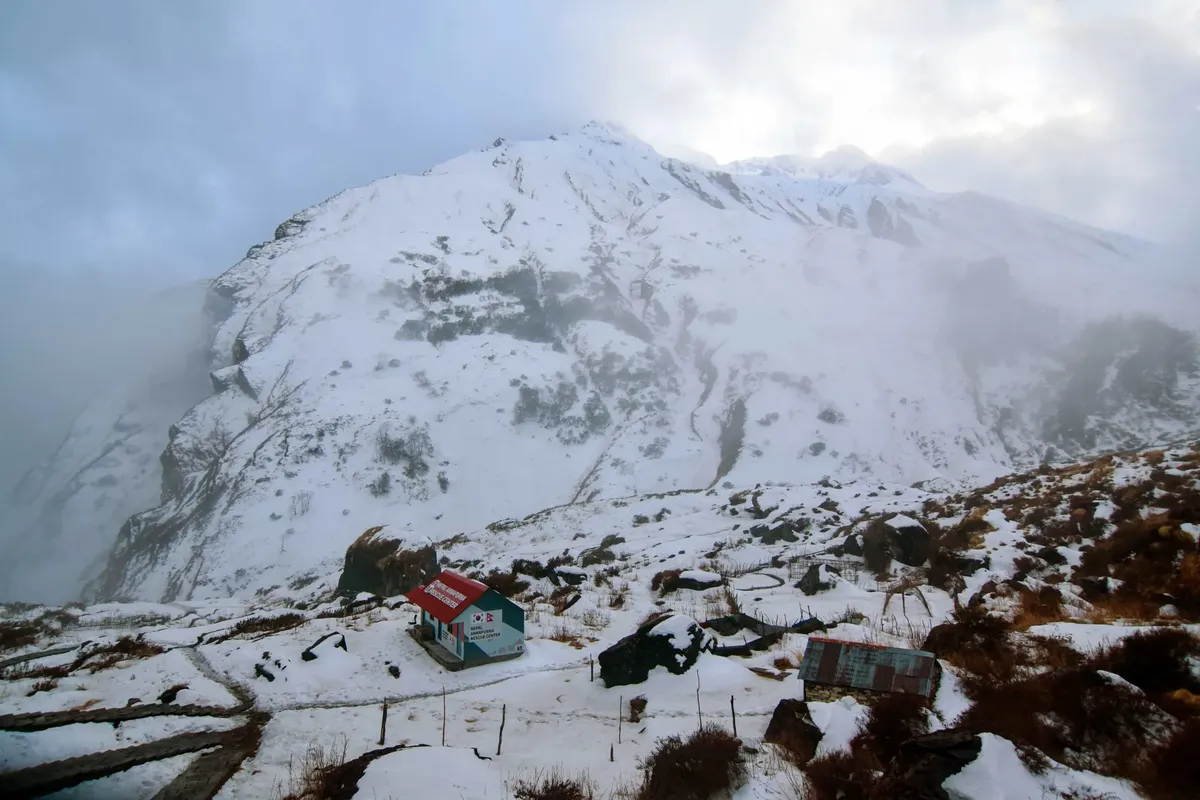
This diverse demographic demonstrates how much the local economy relies on global interest.
| Region | Percentage of Hotels |
|---|---|
| Grisons | 14% |
| Valais | 12% |
| Eastern Switzerland | 12% |
The second step in this overview is the most detailed.
What is the economic impact of Alpine ski spa stays?
A local business owner looks over the annual accounts, noting the steady flow of seasonal income. The economic importance of the tourism sector is reflected in its contribution to the national GDP.
As of 2016, tourism accounted for an estimated 2.6% (CHF 16.8 billion) of Switzerland's GDP, compared to 2.6% (CHF 12.8 billion) in 2001. This stability is crucial for mountain communities.
Additionally, the total gross value added of 14.9 billion is about 2.9% of Switzerland's 2010 nominal GDP of 550.57 billion CHF. These figures underscore the importance of maintaining the infrastructure that supports both locals and visitors.
This impact is not significant in areas without active tourism infrastructure.
High altitude hiking routes and the scale of arrivals
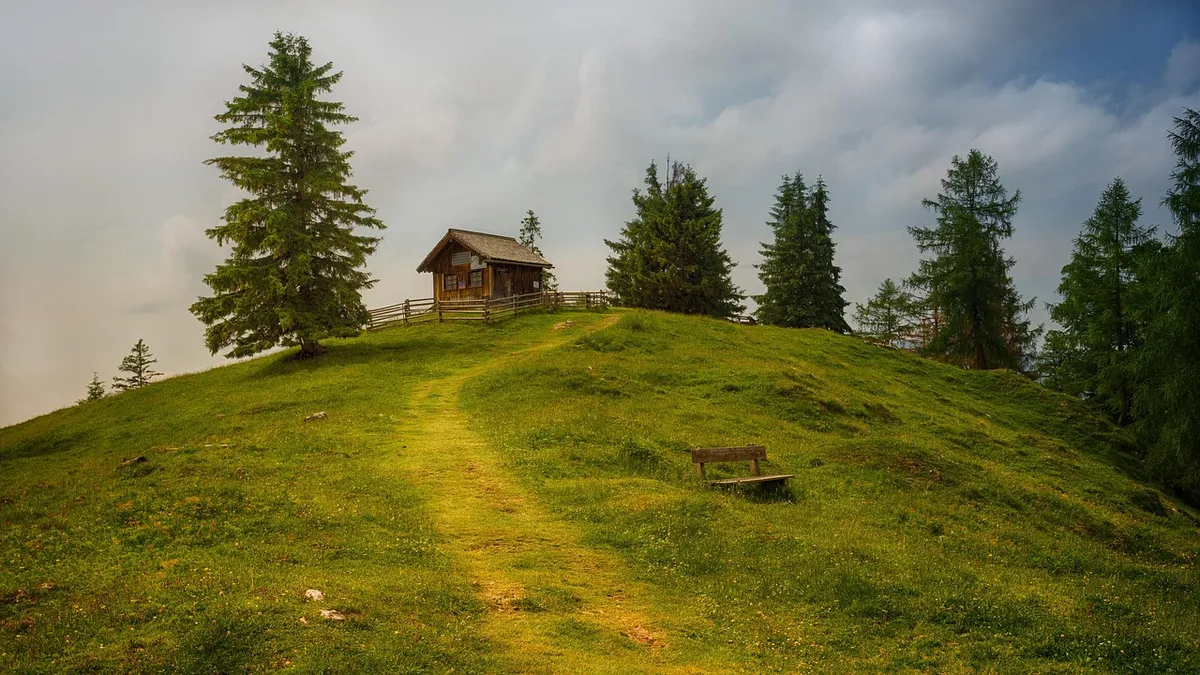
A hiker reaches a high peak as the sun begins to set over the valley below. The sheer volume of people moving through these areas is a testament to the popularity of the terrain.
According to World Bank data, Switzerland recorded international tourist arrivals of 11,818,000 in 2019. This high volume of movement puts pressure on the infrastructure and requires well-maintained trails.
The scale of these high altitude hiking routes is supported by the massive 65,000 km (40,000 mi) network.
The scale of arrivals does not necessarily reflect the quality of the hiking experience.
The same subject is also called Alpine hut travel secrets.
This part also covers Swiss and French hut charm.
This part also covers Best Alpine ski spa stays.
Related
How does the trail network influence the mountains?
The mountains do not merely serve as scenery but act as the foundation for the 65,000 km (40,000 mi) hiking network. This vast scale determines how travelers move through the terrain.
Because the network is so large, the distribution of lodging across regions like Grisons and the Valais is essential for managing the flow of hikers.
When comparing the density of hotels, one can see how the 14% concentration in Grisons differs from the 12% in the Valais. This comparison helps travelers understand the capacity of different provinces.
Such regional differences dictate how much lodging is available for the 11,818,000 international arrivals recorded in 2019.
If a traveler plans a route, they must account for the 41.7% capacity saturation. This condition means that the 38.8 million lodging nights are distributed across specific areas. By checking these percentages, visitors can better manage their stays during peak seasons.

Comments 0