Alps mountain hotel altitude choice: Tips for best stays
Selecting between high and low altitude Alpine accommodations requires balancing immediate glacier views against ease of accessibility. This guide helps travelers decide between mountain huts and valley lodges based on terrain, weather, and logistical needs.
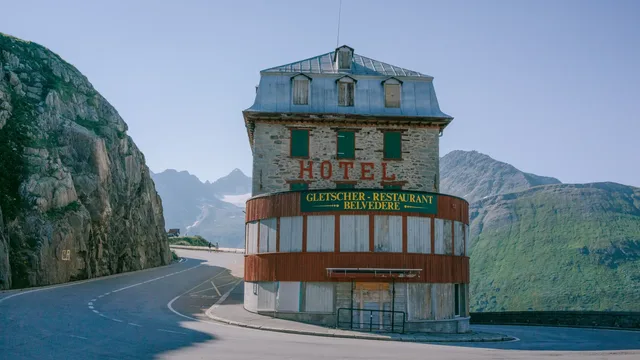
Key takeaways: * High-altitude stays offer direct access to peaks but require physical stamina. * Low-altitude lodging provides better infrastructure and easier transport links. * Weather conditions change rapidly depending on your elevation.
How do I choose between high and low altitude Alps hotel stays?
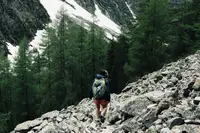
A hiker adjusts their heavy backpack while staring at a steep, rocky trail leading toward a distant ridge. Choosing the right Alps mountain hotel altitude choice depends on whether you prioritize the dramatic scenery of a summit or the convenience of a valley.
The World Bank has provided guidance on regional infrastructure which can influence lodging choices.
High-altitude lodging puts you directly in the heart of the peaks. You wake up to the sound of wind hitting the chalet walls and see the sunrise hitting the glaciers immediately. However, these locations often require more effort to reach and offer fewer amenities.
Low-altitude options provide a more stable environment. These lodges are typically located near train stations or bus routes, making them ideal for those who want to explore different regions without heavy luggage. You trade the immediate mountain view for easier access to shops and dining.
- Determine your primary activity, such as skiing or hiking.
- Evaluate your tolerance for thinner air.
- Check the accessibility of your preferred destination.
Why should I stay at a high altitude? Alps mountain hotel altitude choice
A traveler sits on a wooden balcony, watching the clouds roll through a narrow valley below. Staying at a high altitude offers a unique connection to the environment that valley stays cannot match.
The primary advantage is the proximity to specific mountain activities. You can step directly onto a hiking trail or a ski run without a long commute from the valley floor. This saves time and allows for early morning departures when the air is still.
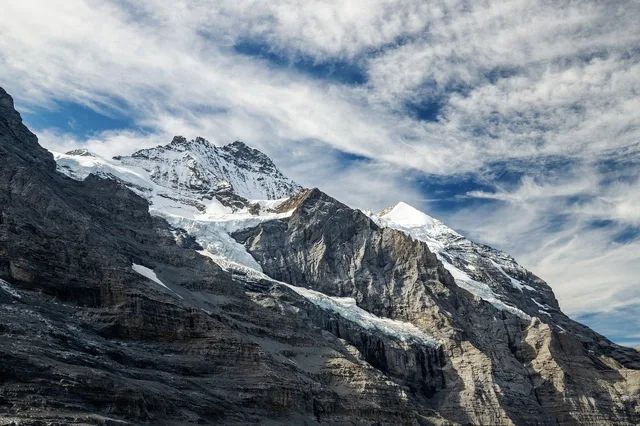
However, the environment is more demanding. I once spent a night in a high-altitude mountain hut where the temperature dropped significantly more than it did in the town below. High elevation means thinner air and more unpredictable weather patterns.
In this sequence, the second step is the longest.
Why should I stay at a low altitude?
A person walks through a cobblestone street in a mountain village, carrying a light bag and heading toward a central station. Low-elevation lodging serves as a functional base for multi-destination trips.
These hotels offer a broader range of services and stability. You will find more dining options, supermarkets, and reliable transportation hubs.
This is a practical choice for families or travelers who prefer to explore the mountains during the day and return to a comfortable, well-connected town at night.
Infrastructure is much more developed at lower elevations. You benefit from easier access to medical services and a wider variety of hotel room types.
Comparing high and low altitude Alpine accommodations
| Feature | High Altitude | Low Altitude |
|---|---|---|
| Access | Difficult/Active | Easy/Transport-linked |
| Amenities | Limited | Extensive |
| Environment | Intense/Unpredictable | Stable/Convenient |
How to manage your Alpine trip based on altitude?
A traveler checks the weather forecast on a smartphone before stepping out of a hotel lobby. Planning your trip requires specific steps to ensure you are prepared for the chosen elevation.
- Determine your primary activity to see if you need to be near the peaks or the transit hubs. 2. Pack layers to account for the temperature difference between the valley and the summit. 3. Verify the transport schedule for mountain railways or cable cars to ensure you can return to your lodging.
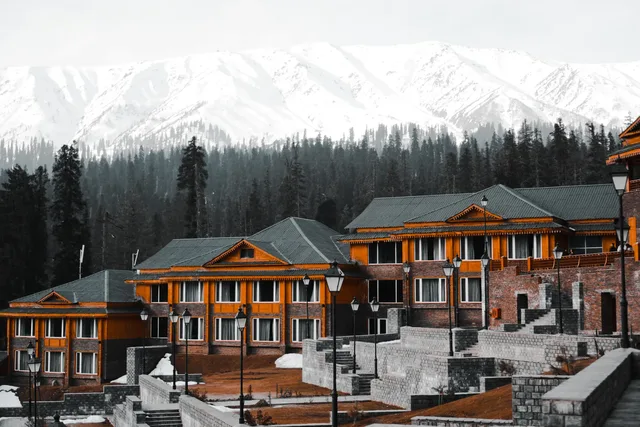
Always check if your chosen location has specific restrictions on food or supplies.
The same subject is also called High versus low Alps stay.
The same subject is also called Alpine hotel height comparison.
The same subject is also called Mountain lodge elevation guide.
The same subject is also called Alps hotel altitude review.
This part also covers Best high altitude Alps hotel.
This part also covers Low elevation Alps lodging pros.
This part also covers Comparing mountain hotel heights.
Best high altitude Alps hotel
Related
- Swiss hut guide before trip: How to best prepare for peaks
- Alpine huts: Why locals love Alpine huts why
Which factors influence the selection of Alpine lodging?
Selecting between high and low altitude options depends on balancing immediate glacier views against ease of accessibility. You must weigh the physical stamina required for high-altitude peaks against the infrastructure found in valleys.
According to World Bank data, Switzerland recorded international tourist arrivals of 11,818,000 in 2019.
- Assess the terrain to determine if you require direct access to trails or proximity to transport links. 2. Evaluate the weather to prepare for rapid changes at higher elevations. 3. Compare the amenities available at each level to match your logistical needs.
High-altitude stays require more effort to reach due to the steep terrain. You must prepare for thinner air and more unpredictable weather patterns compared to the stable environment of a valley lodge.
What determines the best high altitude Alps hotel?
Choosing the best high altitude Alps hotel depends on your physical stamina and your desire for direct access to peaks. You must select between the convenience of valley infrastructure and the intense environment of the summits.
High-altitude lodging is ideal if you prioritize immediate glacier views and direct access to hiking trails or ski runs. However, you must be prepared for thinner air and more unpredictable weather patterns.
Low-altitude lodging is better if you require easier transport links and more stable conditions. These locations provide more amenities and easier access to medical services and shops.
Comparison of lodging conditions
When selecting between these options, consider the trade-off between scenery and accessibility. High-altitude stays offer a unique connection to the environment but require more effort to reach. Low-altitude stays offer more stability and better infrastructure for multi-destination trips.
Comments 0