Alps Budgeting 101: Groceries, Trains, and Mountain Savings
"The mountains don't care about your bank account, but your budget certainly will."
Navigating the high costs of the Alps requires a shift from tourist spending to strategic living. By mastering local grocery chains and understanding regional pass systems, you can experience world-class peaks without depleting your savings.
* Strategic planning is essential to mitigate high operational costs in Alpine regions. * Maximize local resources through supermarkets and self-catering to slash dining expenses. * Understand that pricing structures vary significantly between Switzerland and neighboring countries like Italy or France. * Pre-trip preparation regarding travel passes and logistics is the single biggest factor in budget viability.
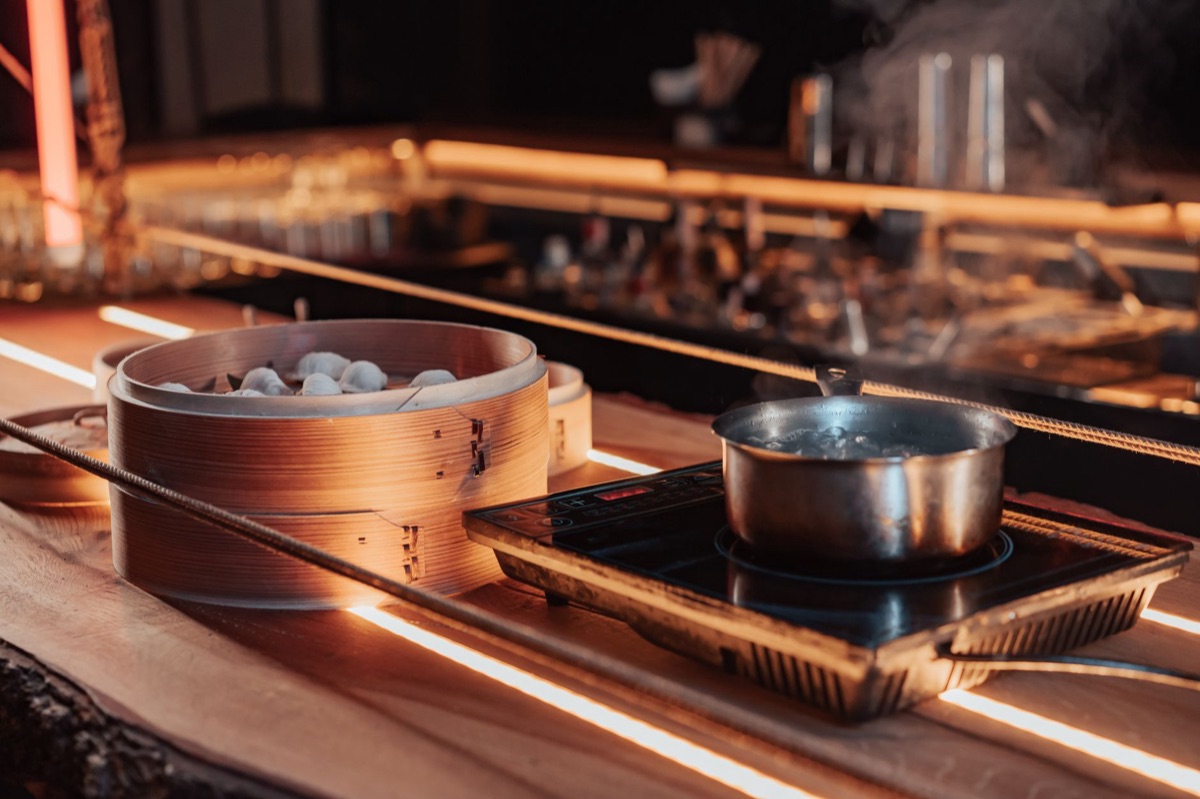
Where should I splurge and where can I save in the high alpine? At dusk in the mountain village, I stared at the gold-leafed menu and felt the cold wind bite at my cheeks.
I stood at a small cafe in Interlaken, staring at a menu where a simple lunch for two felt more like a fine-dining investment than a quick bite. The sheer scale of the mountains was breathtaking, but the price tags on the nearby souvenir shops were equally staggering.
The premium pricing structure in the Alps is a reality of geography and economy. In Switzerland, the cost of living is inherently high, a fact reflected in the economic landscape where Switzerland recorded GDP growth of 1.3% in 2025, according to World Bank data.
This economic strength supports incredible infrastructure but also sets a high baseline for every meal and train ticket.
When traveling through the four-country Alpine region, you will notice a sharp contrast. Switzerland typically represents the highest price tier, while neighboring Italy and parts of France and Austria often offer more digestible daily costs.
The power of location is also vital; staying in a major hub like Lucerne or Zermatt will naturally cost more than staying in a smaller, more remote valley.
Deciding where to splurge is the key to survival. You might choose to spend on a once-in-a-lifetime cable car ride to a high peak but save by eating a hearty meal from a local supermarket.
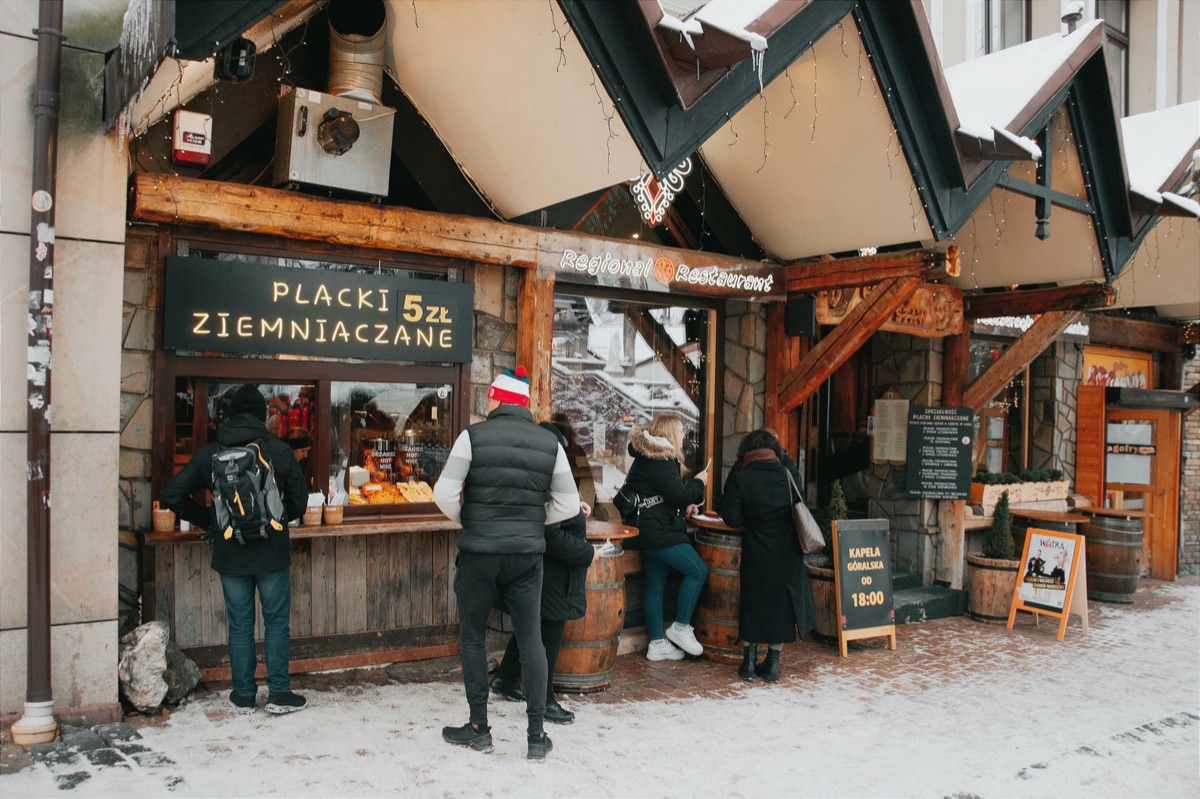
How can I use my kitchen to master my grocery budget? Under the bright lights of the local market, I gripped my reusable bag while the scent of warm bread filled the air.
I remember walking into a Coop supermarket in Bern, clutching a reusable bag and feeling like a local rather than a tourist. The smell of fresh sourdough and aged Gruyère hit me, and I realized that my budget's best friend wasn't a restaurant, but the deli counter.
To master the grocery run, you must understand the local chains. In Switzerland, Coop and Migros are the staples. These are not just grocery stores; they are high-quality food hubs where you can find everything from fresh produce to ready-to-eat salads.
Avoid the small "tourist" convenience stores in train stations whenever possible, as prices there are significantly inflated.
The "Picnic Principle" is the most effective way to eat well on a budget. Instead of paying 30 CHF for a mediocre mountain lunch, head to a local bakery. Grab a fresh baguette, a wedge of local cheese, and some cured meats.
This provides a high-quality, authentic meal that you can enjoy at a scenic viewpoint for a fraction of the cost.
When hiking, remember that you need energy-dense food. High-altitude trekking burns calories rapidly. Pack nuts, dried fruits, and protein-rich snacks to maintain your stamina.
Comparing the cost of a mountain restaurant meal to a well-packed picnic can save a traveler hundreds of dollars over a two-week trip.
Transport & Access: Making Your Journey Count
The train pulled into the station with a quiet hum, its sleek silver body reflecting the morning sun against the backdrop of jagged peaks. I looked at my travel pass and realized that without it, this single journey would have cost as much as a week of groceries.
The transport system in the Alps is legendary but expensive. The key is understanding the different pass systems. The Swiss Travel Pass offers unlimited travel, while the Half-Fare Card provides significant discounts on specific routes.
You must calculate whether the cost of a pass outweighs the price of individual point-to-point tickets based on your planned itinerary.
There is a difference between scenic travel and essential travel. A panoramic train like the Glacier Express is a bucket-list experience, but it is also a premium service. For daily commuting between towns, use the local regional lines. They are often just as beautiful and much more affordable.
The vastness of the Alps is significant. While Switzerland covers only 14% of the total Alps area, it contains 48 of the 82 alpine four-thousanders. This density of high-altitude terrain means you will rely heavily on mountain railways and cable cars to access different ecological zones.
Planning your routes to group activities geographically will minimize unnecessary travel costs.
Beyond the View: Budgeting for Mountain Experiences
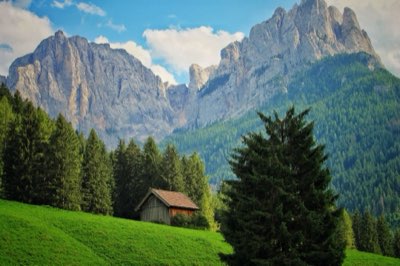
I sat on the wooden bench of a remote mountain hut, the air thin and crisp, looking out over a valley shrouded in mist. The simple wooden structure felt more authentic than any luxury hotel, and the price was much kinder to my wallet.
Accommodation choices vary wildly. You can opt for luxury hotels in valley towns or functional mountain huts (often called *hütte* or *chalet* style) higher up. Staying in a mountain hut offers an immersive experience and puts you closer to the trails, but it often means shared facilities.
| Feature | Luxury Hotel | Mountain Hut/Chalet |
|---|---|---|
| Price | High | Moderate/Low |
| Atmosphere | Pampered/Quiet | Social/Rugged |
| Location | Valley/Town Centers | High Altitude/Trailside |
| Best For | Relaxation/Luxury | Serious Hikers/Adventurers |
Activity costs also need careful management. Some activities, like certain high-altitude lifts, require significant investment. Others, like hiking through vast alpine meadows, are essentially free once you reach the trailhead.
Because the Swiss Alps cover 60% of Switzerland's total 41,285 square kilometres, you have endless opportunities for low-cost outdoor exploration. Always book your accommodations in advance to lock in lower rates, especially during the peak summer months.
Survival Guide: Weather, Gear, and Mindset
The wind picked up suddenly, turning the warm afternoon air into a biting chill in a matter of minutes. I quickly pulled my waterproof shell from my pack, reminded once again that the mountains are unpredictable.
High-altitude safety is non-negotiable. Weather can change in an instant, especially as you move through different altitudinal zones. Always check the local forecast and be prepared for sudden temperature drops.
Acclimatization is also vital; do not rush your ascent, as altitude sickness can ruin your trip and your budget through medical needs.
Packing smart means focusing on versatile gear rather than luxury items. You need high-quality waterproof layers, sturdy hiking boots, and moisture-wicking clothing.
Because the Alps contain significant glacial areas—covering 1,220 square kilometres in Switzerland alone—you must be prepared for cold, wet, and sometimes snowy conditions, even in summer.
The pace of the Alps is different from city travel. Trekking requires physical preparation and a mindset of flexibility. The geological reality of the region, including its vast freshwater sources and glaciers, means you are traveling through a dynamic and sometimes harsh environment.
Respect the terrain, pack enough water, and always have a backup plan for weather shifts.
Comments 0