What are the seasonal capacity considerations?
"The tracks wind through granite peaks and emerald valleys, offering a window into a world where nature meets precision engineering."
Planning an Alps train 1200km journey plan requires balancing scenic routing with logistical efficiency to capture the essence of the mountains. Travelers should focus on regional hotel distribution, seasonal capacity, and transit connectivity to ensure a seamless experience.
This guide covers seasonal saturation, regional hotel density, and essential transit planning for a high-altitude journey.
How to plan an Alps train 1200km journey plan?
At dawn, I trace a finger along the paper map as the cold mountain air brushes against my skin, preparing for a seasonal route through the peaks.

A traveler stands at a station platform, watching a red train snake around a steep mountain curve. To build a successful itinerary, one must account for the vastness of the landscape and the specific distribution of amenities across different regions.
Effective planning starts with understanding the geographical spread of accommodations. For instance, 14% of hotels were in Grisons, while 12% each were located in the Valais and Eastern Switzerland. By selecting these high-density areas, travelers can ensure better access to transit hubs.
The scale of the landscape can be overwhelming, yet the infrastructure is robust. A traveler might look at a map and realize that the total hiking trail network is about 65,000 km (40,000 mi). Using these trails alongside rail routes provides a comprehensive way to explore.
- Map out the primary rail corridors and major transit hubs to establish a baseline route.
- Identify key scenic stops and transfer points to balance travel time with sightseeing.
- Verify connection schedules and booking availability for long-distance segments.
What are the seasonal capacity considerations?
I tighten my grip on the railing while staring at the crowded station at noon, feeling the weight of the seasonal rush.
A hiker adjusts their backpack while looking at a crowded mountain pass during peak season. Understanding how much of the local infrastructure is being used helps in avoiding over-saturated destinations.
Capacity management is a vital part of any Alpine trip. This capacity was saturated to 41.7% (compared to 39.7% in 2005), amounting to a total of 38.8 million lodging nights. Planning for these fluctuations ensures that travelers find available space in more remote areas.

An Alpine train long trip guide should emphasize that peak periods can lead to crowded stations. While the trains run frequently, the density of visitors changes based on the time of year. Travelers should look for balance between popular hubs and quieter valleys.
Traveler volume fluctuates significantly between peak summer hiking seasons and winter ski seasons, often leading to higher demand for specific routes.
According to World Bank, the 2025 record includes 97.3%.
How do regional hotel distributions look?
A traveler checks into a small hotel in a quiet valley, noting the local architecture. Selecting the right base of operations is crucial for a 1200km mountain rail travel experience.
The distribution of lodging varies significantly by province. 14% of hotels were in Grisons, 12% each in the Valais and Eastern Switzerland, 11% in Central Switzerland and 9% in the Bernese Oberland. Choosing a base in Grisons or Valais offers a higher density of options.
An Alpine transit logistics strategy might involve moving between these hubs. Because different regions hold different percentages of the total hotel stock, travelers can pivot between high-activity zones and more secluded spots.
Accommodations are often concentrated in valley towns and major transit hubs, while higher altitude areas may have more limited lodging options.
What are the demographic trends for travelers?
A group of tourists gathers at a junction, consulting a guidebook before boarding. Understanding who else is traveling can help in managing expectations regarding language and service styles.
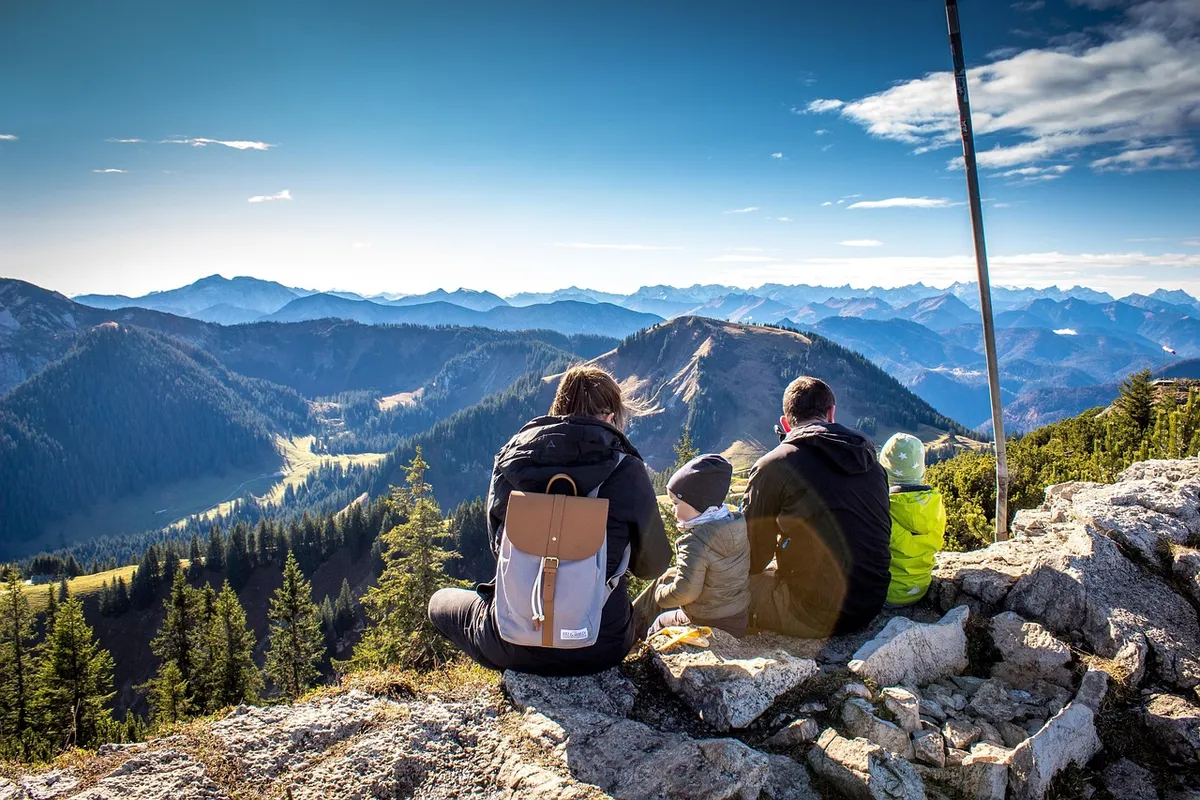
International interest remains a major driver for Alpine tourism. 56.4% of lodging nights were by visitors from abroad (broken down by nationality: 16.5% Germany, 6.3% United Kingdom, 4.8% United States, 3.6% France, 3.0% Italy).
This diversity means most services are geared toward international visitors.
An Alps journey planning essentials checklist should include verifying language accessibility. Since a significant portion of guests comes from neighboring European countries and the United States, multilingual support is common.
The traveler base typically includes a mix of outdoor enthusiasts, luxury seekers, and multi-generational families.
How can budget and economic impact be understood?
A traveler reviews their expenses while sitting in a cafe overlooking a valley. Understanding the economic scale of the region provides context for the costs of premium rail services.
The economic significance of the region is evident in its contribution to the national economy. As of 2016, tourism accounted for an estimated 2.6% (CHF 16.8 billion) of Switzerland's GDP, compared to 2.6% (CHF 12.8 billion) in 2001.
This steady economic role supports the high-quality infrastructure travelers rely on.
High-altitude train passage can be expensive, so understanding these economic weights helps in setting expectations. While the industry is significant, the cost of travel reflects the maintenance of such vast networks.
Costs vary based on the choice between high-speed rail and regional lines, as well as the difference between luxury mountain resorts and budget-friendly valley stays.
What is the digital connectivity like for travelers?
A passenger sits on a train, using a smartphone to navigate the next leg of the trip. Reliable connectivity is essential for modern travelers managing a long-distance itinerary.
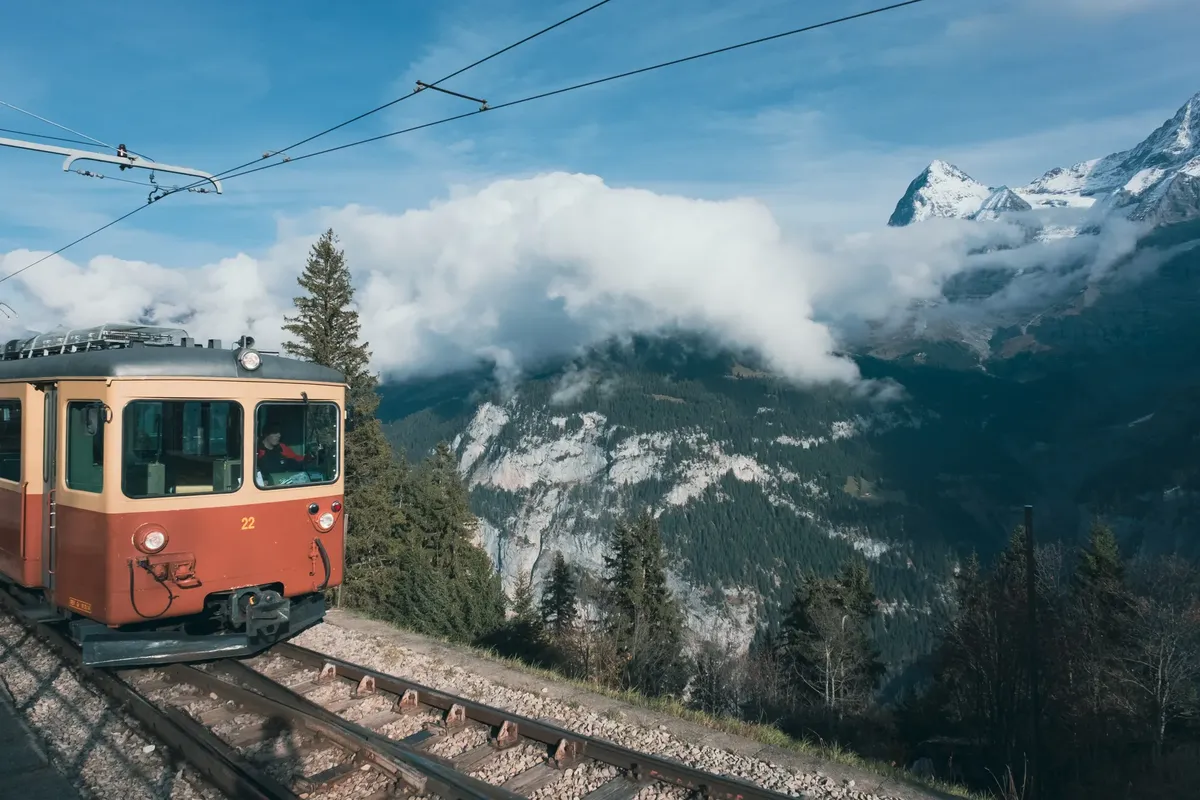
Digital access is nearly universal in the region. According to World Bank data, Switzerland recorded share of internet users of 97.3% in 2025. This ensures that travelers can always access real-time transit updates and booking tools.
| Region | Hotel Percentage |
|---|---|
| Grisons | 14% |
| Valais | 12% |
| Eastern Switzerland | 12% |
I found that checking the local hotel density helped me decide which regions to visit first.
A limitation of this planning is that the availability of specific routes may change due to seasonal weather, which is not reflected in general hotel or internet statistics.
While major stations and towns offer reliable high-speed internet, connectivity can become intermittent in remote mountain passes and deep valleys.
Related
How should travelers manage the transit between regions?
Travelers can manage transit by selecting hubs based on hotel density. Because Grisons holds 14% of hotels and Valais and Eastern Switzerland each hold 12%, travelers can pivot between these high-density areas and more secluded spots to balance access to transit hubs with regional exploration.
- Identify high-density hotel regions like Grisons or Valais to ensure better access to transit hubs. 2. Compare these hubs with quieter valleys to find balance during peak periods. 3. Use the 65,000 km hiking trail network alongside rail routes for a comprehensive exploration of the landscape.
What precautions should be taken regarding seasonal changes?
Travelers must account for seasonal saturation and weather-related route changes. While the tracks wind through various terrains, the availability of specific routes may change due to seasonal weather, which is not reflected in general hotel or internet statistics.
Planning for the 41.7% capacity saturation helps in avoiding over-saturated destinations during peak periods.




Comments 0