Glacier safety guide: High peaks terrain 60%
"The mountains do not care about your plans, only your preparation."
Navigating an Alpine glacier safety guide requires a deep understanding of terrain, physical readiness, and specialized equipment.
This guide provides essential strategies for managing high-altitude trekking tips, comparing gear requirements, and maintaining body temperature to ensure a safe journey.
Key takeaways include understanding the scale of the alpine environment, preparing for variable weather, and recognizing the specific challenges of glaciated terrain.
How vast is the Alpine terrain for hikers?
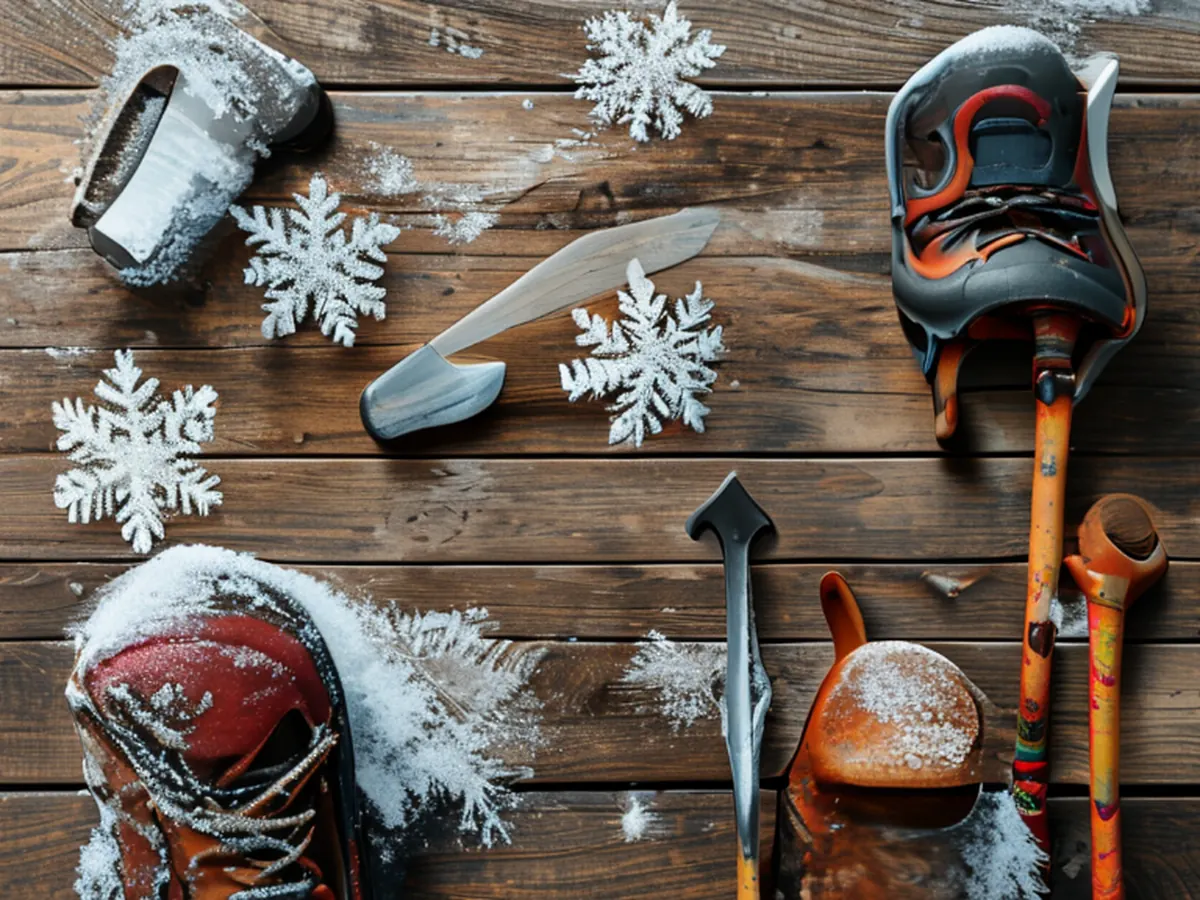
At sunrise, the hiker gazes at the endless white horizon of the glacier and feels the biting wind sting their cheeks.
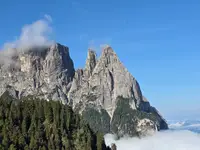
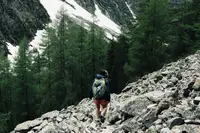
A hiker stands at the base of a massive peak, feeling the weight of the backpack and the thinness of the air. The scale of the mountains can be overwhelming to those new to high-altitude trekking tips.
According to Association maintains over 400 huts stretching, cross country skiing is a form of winter hiking and in Norway the Norwegian Trekking Association maintains over 400 huts stretching across thousands of kilometres of trails which hikers can use in the summer and skiers in the winter.
The Alps cover 60% of Switzerland's total 41,285 square kilometres (15,940 sq mi) surface area, making it one of the most alpine countries. This vastness means that weather and terrain can change rapidly, requiring constant vigilance.
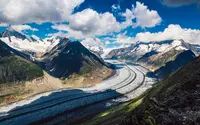
The glaciers of the Swiss Alps cover an area of 1,220 square kilometres (470 sq mi), which represents 44% of the total glaciated area in the Alps. This significant frozen landscape creates unique hazards like crevasses and shifting ice.
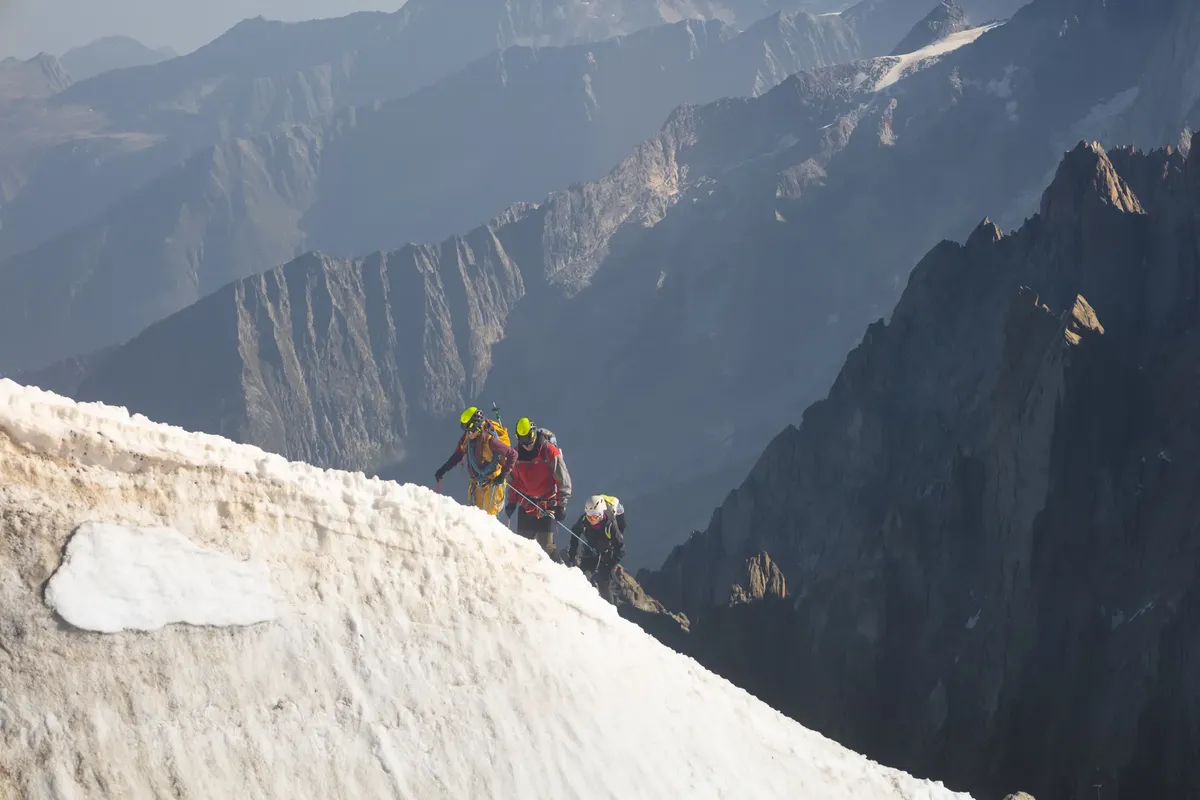
Switzerland covers only 14% of the Alps total 192,753 square kilometres (74,422 sq mi) area. Despite this, 48 out of 82 alpine four-thousanders are located in the Swiss Alps.
What gear is necessary for glacier hike safety? Alpine glacier safety guide
While standing on the edge of the glacier at noon, the traveler tightens their heavy harness and feels the cold metal against their skin.
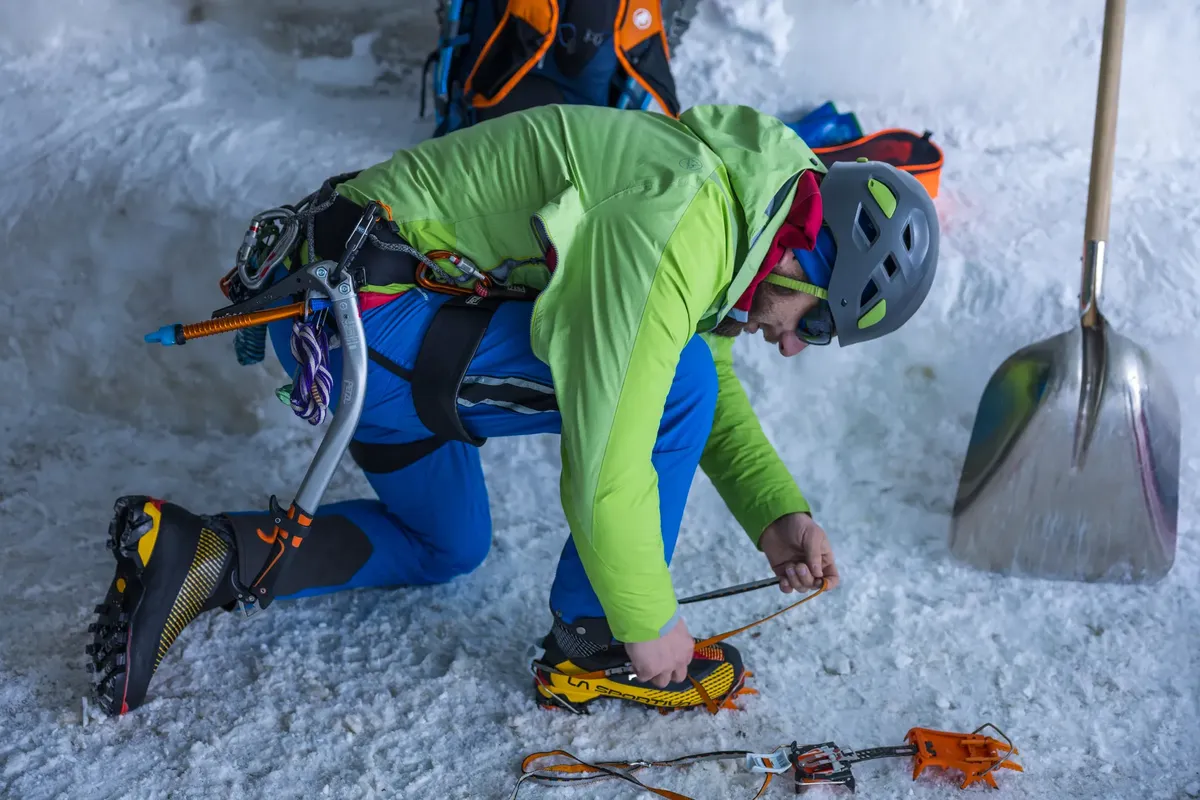
A traveler checks the buckles on their crampons and the tension of the climbing rope. Selecting the right equipment is the foundation of any successful glacier hike safety.
The equipment must be rugged enough to handle ice and rock, yet light enough to carry over long distances. Proper footwear with high ankle support is essential for stability on uneven glacial surfaces.
Ice axes, harnesses, and ropes are fundamental for traversing crevassed areas. Using these tools correctly prevents falls from becoming fatal accidents during a mountain traverse.
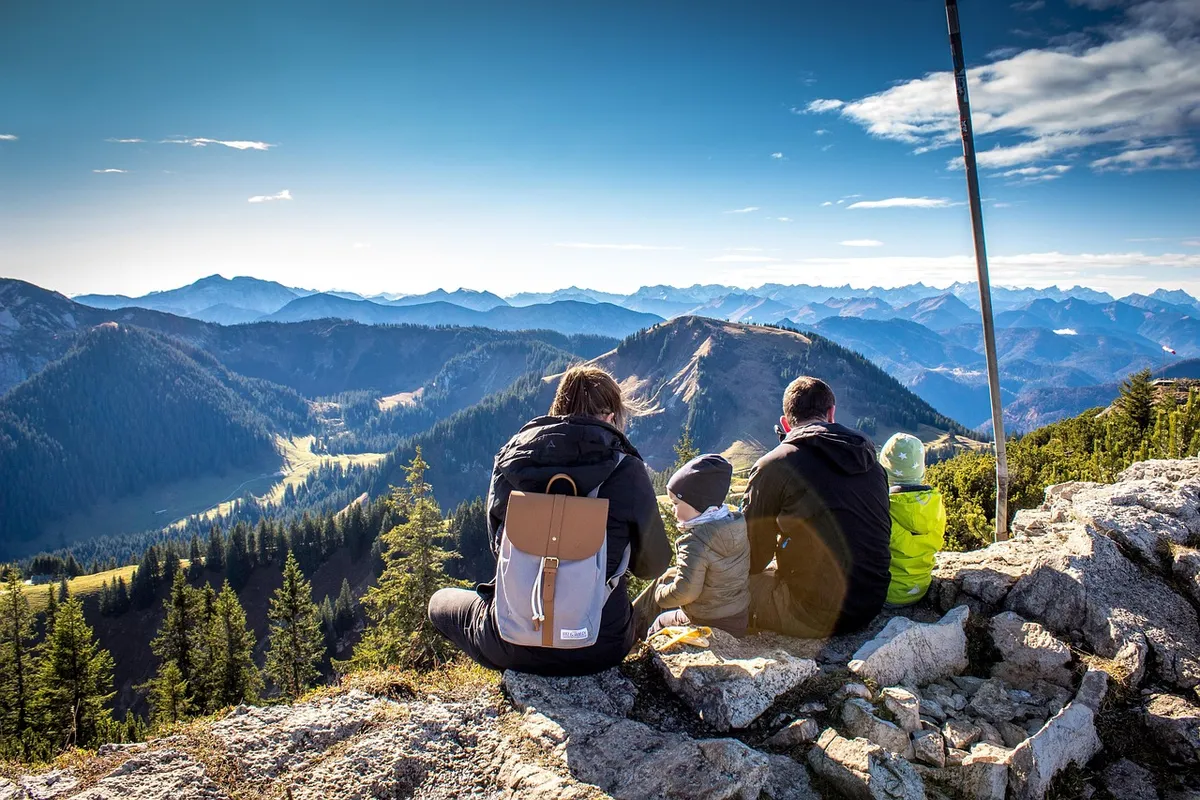
One must also consider the weight of the gear against the physical toll of the climb. I remember checking my harness three times before stepping onto the ice to ensure everything was secure.
How can one manage the cold in mountains?
A climber pulls a heavy fleece closer to their chest as the wind howls through the pass. Managing cold in mountains is a constant battle of layering and calorie management.
Layering is the most effective way to regulate body temperature during an alpine journey. A base layer should wick moisture, while a mid-layer provides insulation and a shell protects against wind.
| Layer Type | Primary Function | Terrain Suitability |
|---|---|---|
| Base Layer | Moisture Wicking | Active Movement |
| Insulation Layer | Heat Retention | Static/Cold Exposure |
The goal is to avoid sweating excessively, which can lead to hypothermia once movement stops. Keeping a dry set of clothes in a waterproof bag is a vital backup.
What level of fitness is needed for alpine treks?
A hiker catches their breath during a steep ascent, lungs working hard to pull in oxygen. Fitness for alpine treks is not just about leg strength but also cardiovascular endurance.
High-altitude environments demand much more effort than sea-level hiking due to lower oxygen availability. Training should focus on sustained aerobic activity and uphill movement.
Endurance is necessary for the long days spent on the trail. A strong core and stable legs help manage the uneven surfaces found in the mountains.
Physical preparation helps prevent fatigue-related mistakes. When the body is exhausted, judgment becomes clouded, increasing the risk of accidents.
How do you stay safe on a glacier?
A guide leads the way, testing the snow with a pole before stepping forward. Following specific glacier hike safety rules is mandatory for every member of a climbing party.
- Use a rope team to mitigate the risk of falling into hidden crevasses. 2. Always carry an ice axe for self-arrest capabilities in case of a slip. 3. Check the stability of the snow pack and ice before moving onto new terrain.
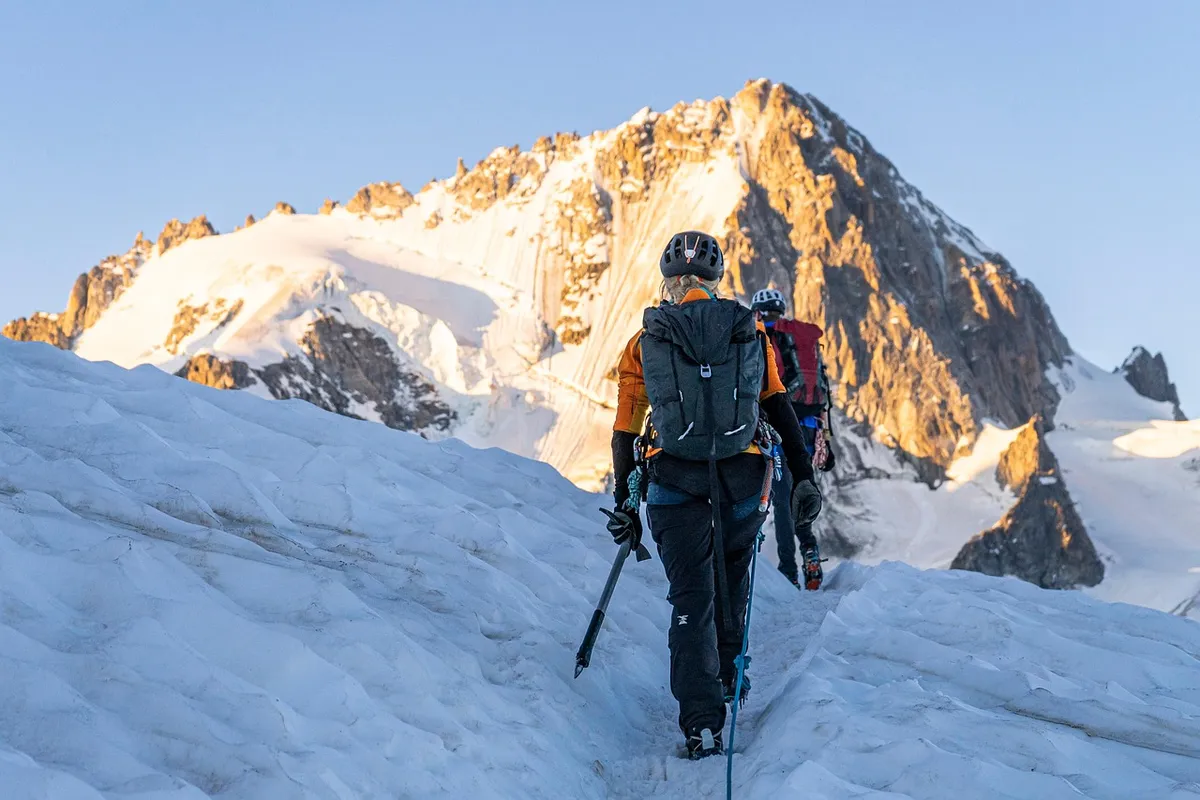
A final check of all knots and carabiners ensures the team remains connected and secure. This disciplined approach is the difference between a successful trek and a dangerous situation.
- How vast is the Alpine terrain for hikers?
- What gear is necessary for glacier hike safety?
- How can one manage the cold in mountains?
The subject here is Alpine glacier safety guide.
The same subject is also called High altitude trekking tips.
The same subject is also called Alpine journey gear check.
The same subject is also called Mountain traverse advice.
This part also covers Best gear for high peaks.
Related
Comments 0