Surviving Swiss prices: How to manage 6% freshwater resource
"The cost of living in the mountains is often as steep as the peaks themselves."
This guide is for travelers who want to navigate the high costs of the Alps by utilizing local resources and understanding regional geography.
* Utilize the country's abundant natural freshwater. * Prioritize supermarket meals over mountain-top restaurants. * Plan travel between cities and alpine regions efficiently.
How to manage surviving Swiss prices?
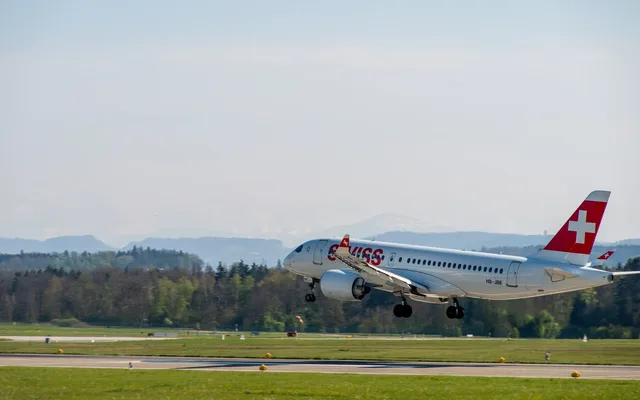
A traveler stands at a bright supermarket checkout in Zurich, clutching a reusable bottle and a pre-packaged sandwich. To master surviving Swiss prices, you must treat the local landscape as a resource rather than just a view.
Instead of purchasing expensive bottled water at every mountain station, rely on the fact that Switzerland possesses 6% of Europe's freshwater, earning it the nickname "water tower of Europe." This abundance makes carrying a refillable container a primary way to save.
By choosing grocery stores over sit-down meals, you can significantly lower your daily spend. Low cost Swiss travel is often achieved by purchasing local staples in urban centers before heading into the high Alps.
Using Swiss supermarkets is a reliable method to find affordable snacks and meals that are much cheaper than those found in tourist-heavy alpine villages.
How can I save money in Switzerland?
At dawn, a hiker sits on a wooden bench and feels the cold wind while surviving the steep costs of the mountains.
The sun hits a wooden bench overlooking a valley in the Bernese Oberland, where a hiker sits eating a simple meal. Implementing Swiss budget tips involves understanding the distance between urban centers and the expensive mountain zones.
Most mountain regions are located within 1 to 3 hours of Switzerland's main cities and their respective airports. This proximity allows you to stock up on supplies in the cities before moving into the higher altitudes.
For those visiting the Engadine in Graubünden, the area is between 3 and 6 hours away from the large cities, meaning more preparation is needed for longer journeys.
Planning your meals in advance is a core component of a Swiss meal prep guide. You can find cheap Swiss food hacks by utilizing the transit systems to move between high-cost scenic areas and lower-cost urban hubs.
This approach ensures you are not caught without affordable options when the landscape becomes more rugged.
How can I meal prep for life in Switzerland?
By noon, the backpacker kneels on the lakeside stones to unpack a meal, focused on surviving the rugged terrain.
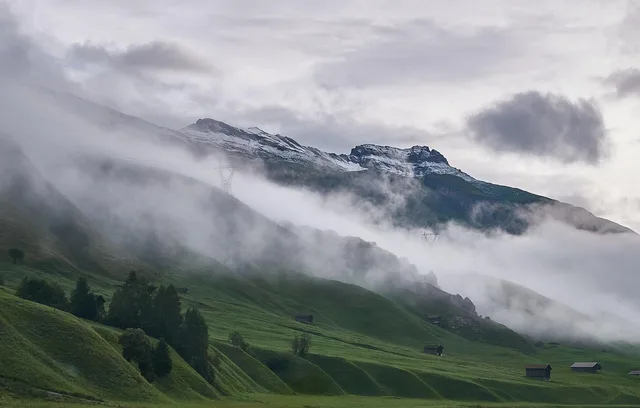
A backpacker spreads a lightweight cloth on a stone near a lake, carefully unpacking a meal prepared earlier that morning. Following a Swiss meal prep guide involves specific logistical steps to ensure food safety and cost-effectiveness.
- Purchase all non-perishable and heavy items in major cities to avoid the premium pricing found in high-altitude resorts. 2. Utilize local supermarkets to find ready-to-eat options that can be eaten outdoors. 3. Carry a lightweight, insulated container to keep prepared food fresh during transit.
I found that checking the supermarket aisles in the city before taking the train toward the mountains saved me a significant amount of money. A final check of your supplies before leaving the urban zone ensures you won't be forced to buy expensive convenience items later.
How does eating cheap in Switzerland work?
A group of hikers gathers around a small portable stove near an artificial lake, sharing a simple pasta dish. The concept of eating cheap in Switzerland relies on avoiding the "scenic tax" applied to restaurants with mountain views.
Switzerland possesses 6% of Europe's freshwater, which is a key factor in managing costs.
| Dining Type | Cost Level | Location |
|---|---|---|
| Supermarket | Low | Urban/Village |
| Alpine Restaurant | High | High Altitude |
While the view is often spectacular, the price of a meal in a high-altitude restaurant can be several times higher than a similar meal bought in a city. To manage this, eat your main meals in the valleys or cities, using the mountains primarily for activities rather than dining.
What are the limitations of these methods?
The wind whistles through the pines in a subalpine zone, where a traveler realizes they have run out of supplies. While these methods help, they have specific constraints.
These strategies are most effective in the subalpine zone, which is the region that lies below the tree line. However, these savings may not apply to the logistics of mountain travel itself.
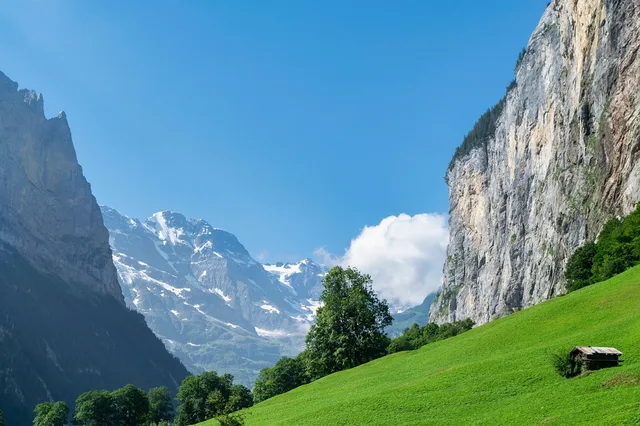
For example, the 57.1 km (35.5 mi) long Gotthard Base Tunnel provides a direct flat rail link through the Alps, but rail travel remains a fixed cost that cannot be bypassed through meal planning.
- Surviving Swiss prices requires a shift in how you approach daily necessities, particularly regarding food and hydration.
- You should focus on using local water sources and supermarket options while avoiding unnecessary high-altitude dining, though note that these strategies may not offset the inherent costs of mountain transport.
- According to World Bank data, Switzerland recorded international tourist arrivals of 11,818,000 in 2019, which underscores the massive scale of visitors who must also manage these costs.
Related
- Glacier safety guide: High peaks terrain 60%
- Alps glacier melt heatwave: Why preparation is key for treks
What conditions affect the cost of living?
- The location of your stay dictates the cost of living, with high-altitude resorts representing the most expensive option. 2. Proximity to major urban centers allows travelers to secure lower initial supplies, mitigating the immediate cost of living in remote areas. 3. The necessity of mountain transport itself introduces a fixed cost that meal planning cannot eliminate, affecting the overall cost of living.
When assessing the cost of living, one must compare the fixed expenses of travel against the variable expenses of food. For instance, the rail journey through the Gotthard Base Tunnel represents a non-negotiable expense, regardless of how frugally one manages daily food costs.
This comparison highlights that transportation often sets a baseline for the total cost of living.
How does regional geography influence the cost of living?
- The distance between large cities and alpine regions determines the necessary level of advance preparation for supplies. 2. Areas like the Engadine require greater logistical planning because they are separated from major hubs by a longer travel time compared to other mountain zones. 3. The subalpine zone offers a comparative advantage for savings because it is situated below the tree line, allowing for more accessible local resources.
Regional geography dictates where the savings potential exists. If your itinerary keeps you close to urban centers, the cost of living remains manageable because you can frequently resupply.
Conversely, venturing deep into isolated peaks increases the pressure on your budget due to limited local options.
When comparing the cost of living in different zones, remember that the premium pricing in tourist-heavy villages is a direct function of the region's appeal and accessibility from urban centers.

Comments 0