Lucerne vs Interlaken comparison: How to choose best tips
Choosing between Lucerne and Interlaken depends on whether you seek a cultural lakeside hub or a compact gateway to the mountains. Travelers often weigh Lucerne's urban sophistication against Interlaken's concentrated natural landscape. This guide compares the geographical makeup and regional context of these destinations to help you decide.
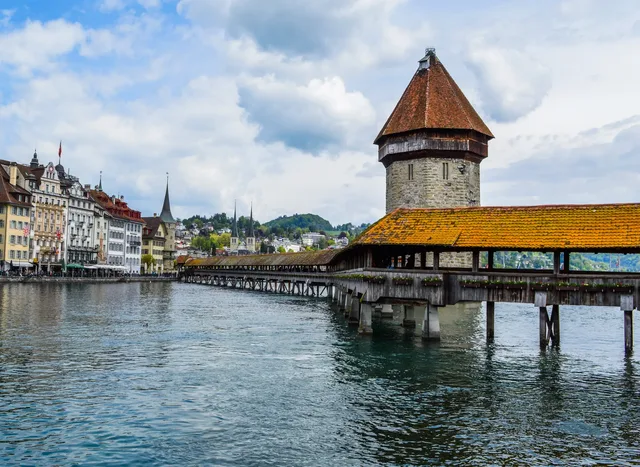
* Interlaken offers a compact, high-density layout focused on transit and settlement. * Lucerne serves as a major cultural center in a country seeing massive tourism. * The choice depends on your preference for forest-heavy landscapes versus urban infrastructure. * Interlaken's climate varies significantly based on specific temperature isotherms used for classification.
What makes comparing Lucerne and Interlaken unique?
A traveler stands on a wooden bridge, watching the sunlight hit the water while deciding which Swiss destination fits their itinerary. The Lucerne vs Interlaken comparison is not just about scenery; it is about the scale of the environment.
While Lucerne offers expansive urban charm, Interlaken provides a highly specialized, compact setting.
Interlaken functions as a dense hub where settled areas, including buildings and roads, account for 47.2% of its 4.27 km2 (1.65 sq mi) total area. This concentration allows for quick access to various activities.
According to World Bank data, Switzerland recorded international tourist arrivals of 11,818,000 in 2019, highlighting the massive scale of the industry these cities support.
In this sequence, the first step is the most important.
How do the Lucerne vs Interlaken guide details differ in landscape?
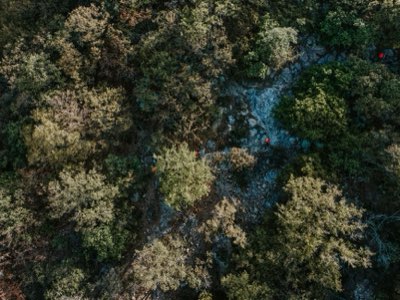
Walking through a dense grove of trees, one feels the shift from urban streets to the deep greenery of the Swiss countryside. A Lucerne vs Interlaken guide must account for the specific land use that defines each region.
Interlaken is characterized by a significant balance between human settlement and natural preservation.
In Interlaken, forested land covers 22.6% of the municipality, with 20.9% of the total land area being heavily forested. Agricultural land also plays a role, making up 24.4% of the area. I noticed how quickly the transition occurs from a paved road to a thicket of trees.
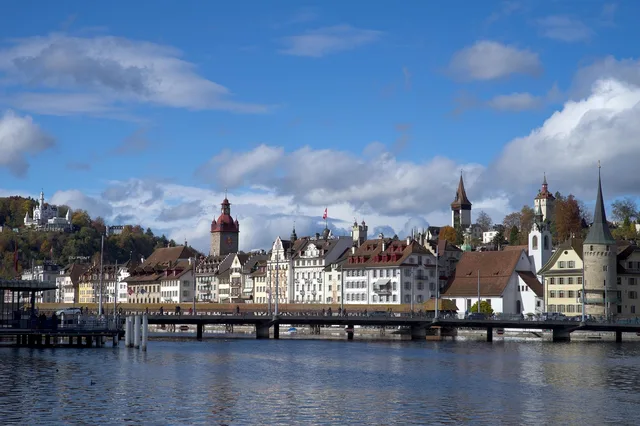
This spatial arrangement dictates how visitors move through the region.
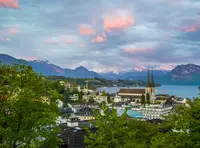
- Observe the lakeside urban sprawl of Lucerne.
- Contrast this with the mountainous valley setting of Interlaken.
- Evaluate how the topography affects your view.
How do Lucerne and Interlaken's cultures and histories differ?
Tracing the footsteps of ancestors, one wonders how local populations lived centuries ago in these mountain valleys. Understanding Lucerne vs Interlaken culture requires looking at both the social fabric and the historical land management.
The way people lived in these areas has shifted from tenant farming to modern tourism.
Historical data shows that in 1831, the population distribution in specific nearby areas like Aarmühle and Matten differed, with 37% of Aarmühle residents being tenants compared to only 12% in Matten.
This history of land tenancy informs the long-standing relationship between the people and the terrain. Today, that relationship is expressed through the maintenance of parks and green belts, which make up 4.0% of the area.
Analyzing Lucerne vs Interlaken sights and infrastructure
Navigating a busy station, a visitor observes the intricate web of rails and roads that connect Swiss cities. When evaluating Lucerne vs Interlaken sights, the infrastructure becomes a primary factor. The built-up environment is designed to facilitate movement and housing within a limited footprint.
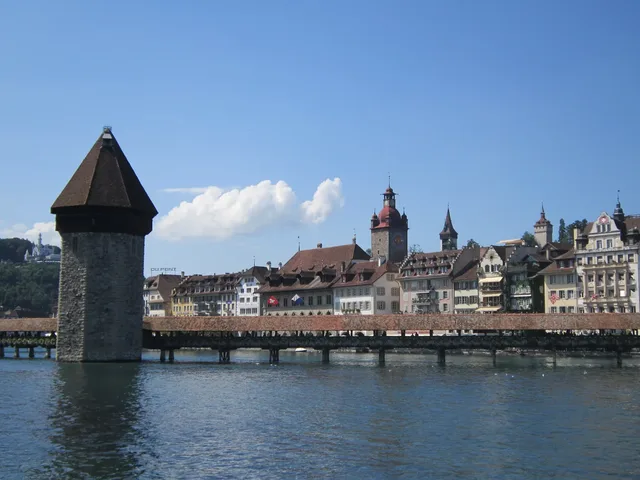
Within the built-up sections of Interlaken, housing and buildings constitute 21.4% of the total area. Transportation infrastructure is also a major component, making up 16.0%. Industrial buildings represent a smaller portion at 5.3%.
This layout ensures that even within a small municipality, the essential services for travelers and residents remain highly accessible.
Comparing the Swiss city comparison via land use
Looking at a map spread across a cafe table, the differences in land composition become immediately apparent. A Swiss city comparison reveals that Interlaken is a masterclass in managing limited space. The distribution of land is highly specific, leaving very little room for unproductive use.
| Land Category | Percentage of Interlaken Area |
|---|---|
| Settled (Buildings/Roads) | 47.2% |
| Agricultural Purposes | 24.4% |
I compared these figures to understand how much space is dedicated to nature versus human habitation. The remaining land is split between forests, water, and small clusters of orchards.
Understanding the Lucerne vs Interlaken travel climate
Stepping out into the crisp morning air, a traveler must prepare for the specific weather patterns of the Swiss Alps. Lucerne vs Interlaken travel planning requires an understanding of Köppen climate classifications. The weather in Interlaken is sensitive to how temperature thresholds are measured.
The climate is described as a mild warm summer humid continental type if a 0 °C (32.0 °F) isotherm is used. However, the classification shifts to temperate oceanic if a −3 °C (26.6 °F) isotherm is applied. This distinction is vital for those planning seasonal trips.
How to choose your destination?
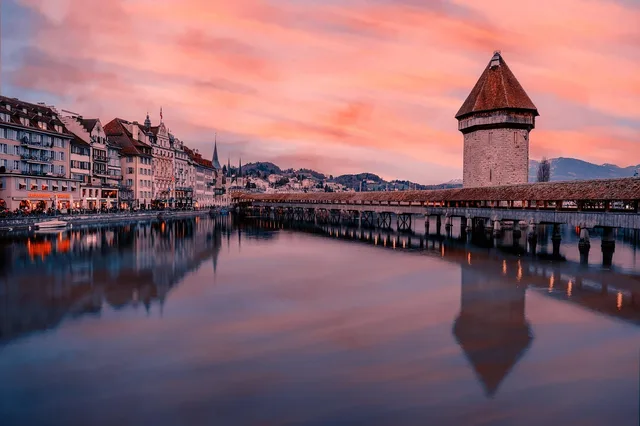
Standing at a crossroads in the mountains, the traveler must weigh the benefits of each location. Follow these steps to make your decision:
- Assess your interest in urban density versus natural forest coverage. 2. Determine if you prefer a large city layout or a compact 4.27 km2 municipality. 3. Check the climate thresholds to ensure your gear matches the expected temperature.
Finally, verify your choice by looking at the primary land use of your preferred destination.
Wikipedia: Interlaken Based on the retained excerpt mentioning Swiss National Council: In the 2019 Swiss federal election for the Swiss National Council the most popular party was the SVP which received 26.1% (-4.6) of the votes.
Related
- Swiss Pass benefit calculator: How to guide travel savings
- What are the seasonal capacity considerations?
What are the conditions for choosing between the two cities?
- If urban sophistication appeals to you, Lucerne provides a major cultural lakeside hub. 2. If concentrated natural landscape is the goal, Interlaken functions as a compact gateway to the mountains. 3. The decision hinges upon whether forest-heavy scenery or established urban infrastructure is preferred when choosing between.
The comparison highlights that Lucerne offers expansive urban charm, whereas Interlaken presents a highly specialized, compact setting for visitors. The underlying difference in regional context dictates the visitor experience when choosing between these locations.
How does the infrastructure compare when choosing between destinations?
The built-up environment in Interlaken is designed to facilitate movement within a limited footprint. Transportation infrastructure makes up a significant portion of the total area in Interlaken. Industrial buildings occupy a smaller segment of the land within the municipality.
This spatial arrangement in Interlaken ensures that essential services remain highly accessible even in a small municipality. The density of settled areas in Interlaken is quite high, accounting for a large percentage of its total area.
This concentration allows for quick access to various activities when choosing between.
The historical land management in the region shows a shift from tenant farming practices to modern tourism endeavors. This evolution reflects the changing relationship between the people and the terrain in the area.
Understanding this history informs the current land use patterns when choosing between the two cities. The maintenance of green belts is a modern expression of this long-standing connection to the land.


Comments 0