Mountain Hutte Stay: Beyond Sleep, It's an Alpine Immersion
"A mountain hut is not a place to sleep; it is a place to witness the gravity of the earth."
Choosing an Alpine hutte over a luxury hotel means trading a private balcony for a front-row seat to the raw, shifting moods of the high peaks. It is a transition from being a spectator of nature to becoming a temporary inhabitatic of its rugged ecosystem.
* Cultural Immersion: A hutte is a living museum of Alpine history, centering on communal living and traditional mountain survival techniques. * Practical Reality: Expect shared sleeping quarters, rugged amenities, and a rigid schedule dictated by daylight and weather rather than concierge services. * Strategic Value: The true reward is proximity to high-altitude trails and glacial landscapes that luxury resorts simply cannot reach.
Why Choose a Hutte Over a Luxury Hotel in the Alps?
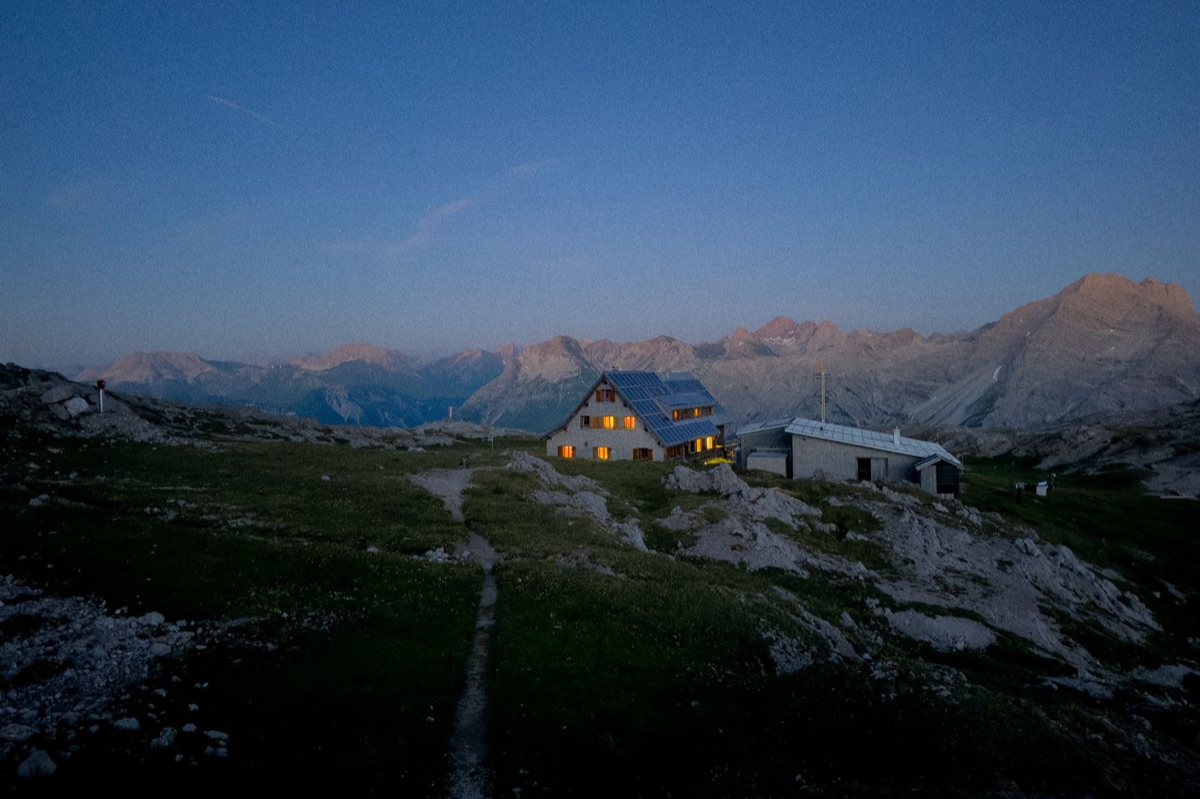
The heavy wooden door of a stone-walled hutte thuds shut, cutting off the whistling wind of the high pass and replacing it with the smell of dried pine and woodsmoke. You realize quickly that this is not a hotel room; it is a sanctuary built for purpose.
In the high Alps, the distinction between a luxury resort in Zermatt and a remote hutte in the Valais is the difference between observing the mountains and living within them. While a high-end hotel offers comfort as a buffer against the elements, a hutte uses the elements as its primary atmosphere.
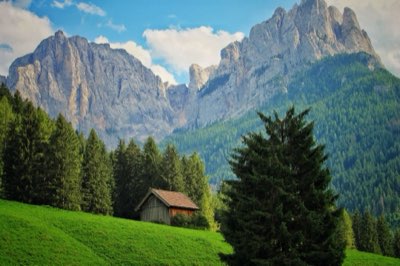
The architectural DNA of these structures—often featuring thick timber beams and stone foundations—reflects centuries of shepherd and climber heritage.
Choosing a hutte is often a strategic decision based on your hiking objectives. If your goal is to summit a specific peak or traverse a high-altitude ridge, a hutte serves as a vital staging ground.
Staying in a valley hotel requires hours of ascent and descent every day, whereas a hutte places you at the doorstep of the trail. This is not about sacrificing comfort for the sake of hardship, but about optimizing your ability to experience the verticality of the landscape.
The decision often comes down to the specific terrain. In regions like the Swiss Alps, which cover 60% of the country's total 41,285 square kilometers, the sheer scale of the terrain makes these outposts essential for safe and efficient movement.
But as the altitude rises, so does the complexity of the environment.
How do you navigate the unpredictable Alpine ecosystem?
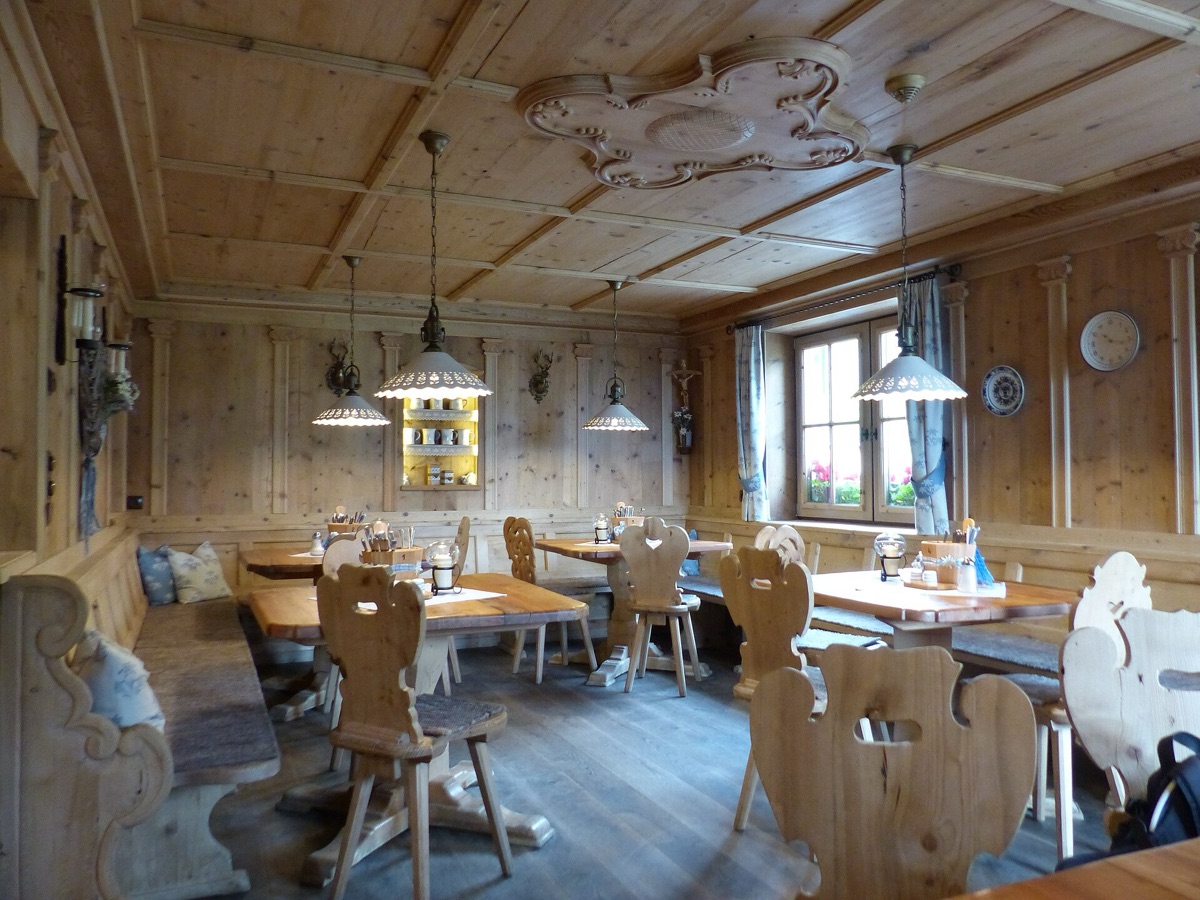
The sun rises over a jagged granite ridge, casting long, blue shadows across a valley that seems to stretch into infinity. You step onto the porch, and the thin, crisp air hits your lungs with a sharpness that no climate-controlled lobby could ever replicate.
Understanding the environment is critical because the scale of the Alps is deceptive. The range is vast, and the transition between altitude zones happens rapidly.
As you move from the subalpine forests toward the high-altitude huts, the temperature can drop precipitously once the sun dips behind a peak.
The geography itself is a living entity. For example, the glaciers of the Swiss Alps cover an area of 1,220 square kilometers, representing 44% of the total glaciated area in the Alps. Staying in a hutte often means being in direct proximity to these ice fields.
This proximity brings logistical challenges, such as the need for proper acclimatization. High-altitude living requires an awareness of how the body reacts to lower oxygen levels and how quickly weather systems can move through a mountain pass.
| Feature | Luxury Mountain Hotel | Alpine Hutte (Hütte) |
|---|---|---|
| Privacy | High (Private suites) | Low (Often dorm-style/shared) |
| Location | Valley floors or lift access | High-altitude trailheads |
| Amenities | Full spa, room service | Basic washrooms, communal areas |
| Atmosphere | Polished and curated | Raw and communal |
| Primary Goal | Relaxation and comfort | Access and adventure |
However, physical survival in these zones requires more than just a map; it requires an understanding of the social rules of the mountain.
What is the real difference in the cultural code of dining and dwelling?
A heavy ceramic bowl of steaming soup is placed on a communal wooden table, and as you sit down, you realize you are sharing this meal with strangers who will become your companions for the next day's climb.
The rhythm of life in a hutte is dictated by the sun and the mountain. Unlike the 24-hour service of a city hotel, huttes operate on a strict schedule: early breakfasts to prepare for the ascent and hearty, communal dinners in the evening. This structure fosters a unique sense of community.
You are not just a guest; you entirely become part of a temporary tribe of hikers and climbers.
Food in the hutte is often a celebration of local Alpine dairies. Because these outposts are often remote, the menu focuses on high-energy, locally sourced ingredients like hard cheeses, hearty grains, and smoked meats. This is a direct link to the history of mountain pastoralism.
In many regions, the cheese served at dinner was produced in the very valleys below or even in nearby high-altitude summer pastures.
While you might miss the fine dining of a metropolitan center, the simplicity of a wood-stove-heated room and a shared meal offers a different kind of luxury: authenticity.
The lack of central heating or constant electricity forces a focus on the present moment and the physical reality of your surroundings. But preparing for this reality requires more than just packing a jacket.
How do you master the logistics of an Alpine stay?
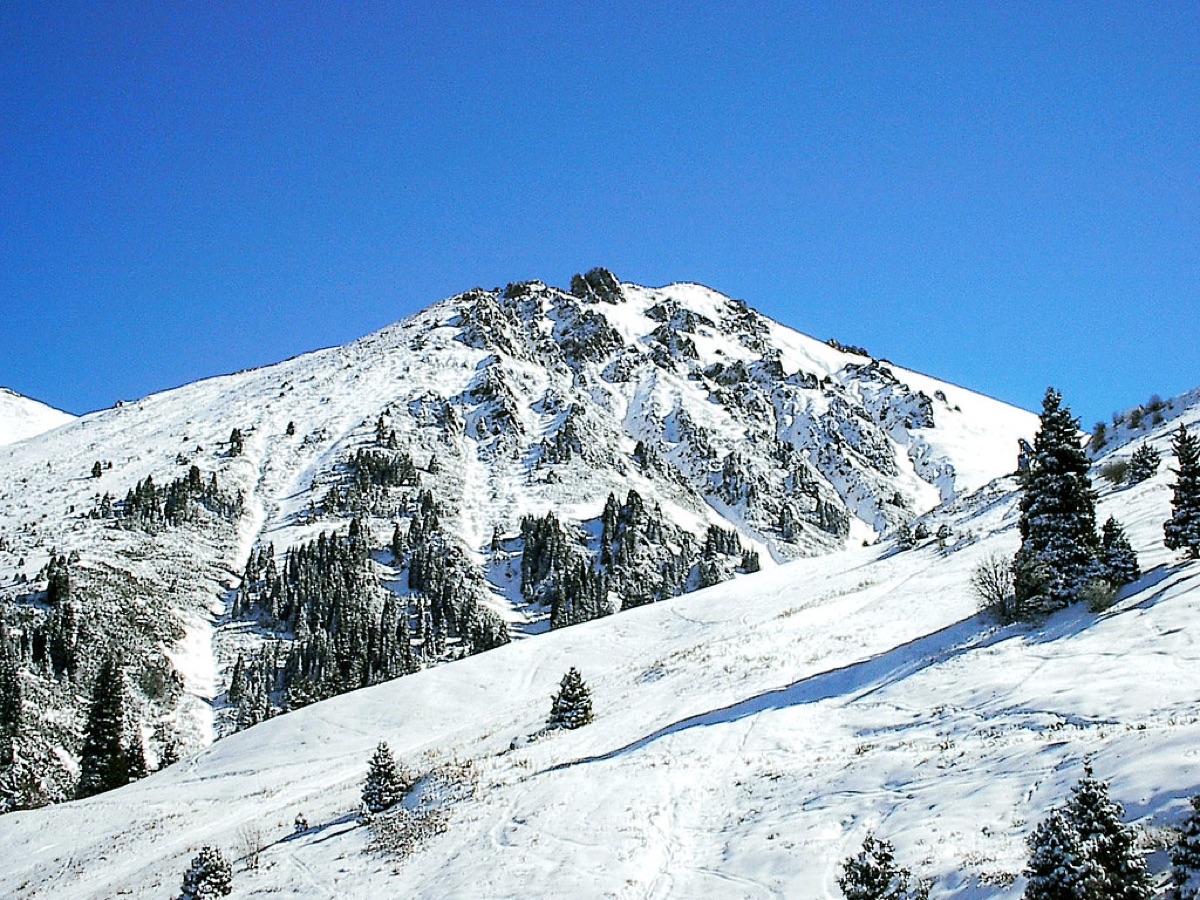
You sit at a small wooden desk in the hutte's common room, checking your topographic map against the darkening horizon. You realize that in this environment, preparation is not a suggestion—it is a requirement for safety.
Planning an Alpine stay requires a different mindset than booking a seaside resort. In the high season of 2025 and 2026, many of the most sought-after huttes must be booked months in advance. Spontaneity is a luxury that the high mountains rarely afford.
You must also consider the logistical connection between your transit and your stay. For example, many travelers use scenic routes like the Glacier Express to reach mountain regions, but the final leg to a hutte almost always involves significant hiking.
Financial planning is also unique. While huttes are generally more affordable than luxury hotels, the operational costs of maintaining these outposts in remote areas are high. You are paying for access and specialized service in a challenging environment.
Safety is the most critical logistical factor. Always check the local weather forecast and ensure you have the appropriate gear for high-altitude temperature swings.
A hutte stay is only successful if you are prepared for the possibility of being "weathered in," where heavy snow or storms prevent movement for a day or two. To ensure you are ready, follow this essential preparation checklist:
- Verify Booking and Capacity: Confirm your reservation via the Alpine Club or local hutte website to ensure your bunk is secured.
- Pack a Lightweight Liner: Always carry a silk or cotton sleeping bag liner to maintain hygiene in shared dormitories.
- Prepare for Temperature Swings: Pack layers suitable for both midday sun and freezing nighttime temperatures.
- Check Water Logistics: Determine if your route has reliable water sources and carry a reliable filtration system.
- Review the Route Map: Study your planned ascent or descent to understand the elevation changes between huts.
When I first attempted a multi-day trek in the Valais in late 2025, I quickly learned that my heavy boots and a reliable map were more valuable than any luxury item I had packed.
Beyond the Hutte: The Alpine Context
As you look out from the hutte window at the vast expanse of the peaks, you realize that this single night is just one chapter in a much larger story of the landscape. According to World Bank data, Switzerland recorded international tourist arrivals of 11,818,000 in 2019.
A hutte stay is not an isolated event; it is part of a broader engagement with the Alpine landscape. Whether you are in the Swiss Alps or moving through the Dolomites, these outposts provide the necessary context for understanding the scale of the mountains.
They act as the bridge between the civilized world of the valleys and the wild, unpredictable world of the high peaks.
When planning your journey, consider how these stays fit into your overall itinerary. A single night in a hutte can be a powerful highlight of a week-long trek, providing a sense of accomplishment and a deep connection to the terrain that no luxury tour can replicate.
#
Comments 0