4-Country Alpine Circuit: Your Ultimate Journey Plan
"The mountains do not move, but they change everything about you."
Planning a journey through the four-country Alpine circuit is an exercise in balancing grand scale with logistical precision. To succeed, you must weigh the high-altitude drama of the Swiss peaks against the cultural richness of the Austrian lakes and the rugged beauty of the Italian Dolomites.
* The Core Choice: Prioritize specific mountain experiences, such as the high-alpine drama of the Jungfrau versus the iconic silhouette of the Matterhorn, to dictate your route. * Financial Strategy: Master the Swiss cost structure through strategic pass selection and smart dining to keep the journey sustainable. * The Flow: Utilize a hub-and-spoke model, using Swiss rail centers to transition smoothly into the French, Italian, and Austrian sectors.
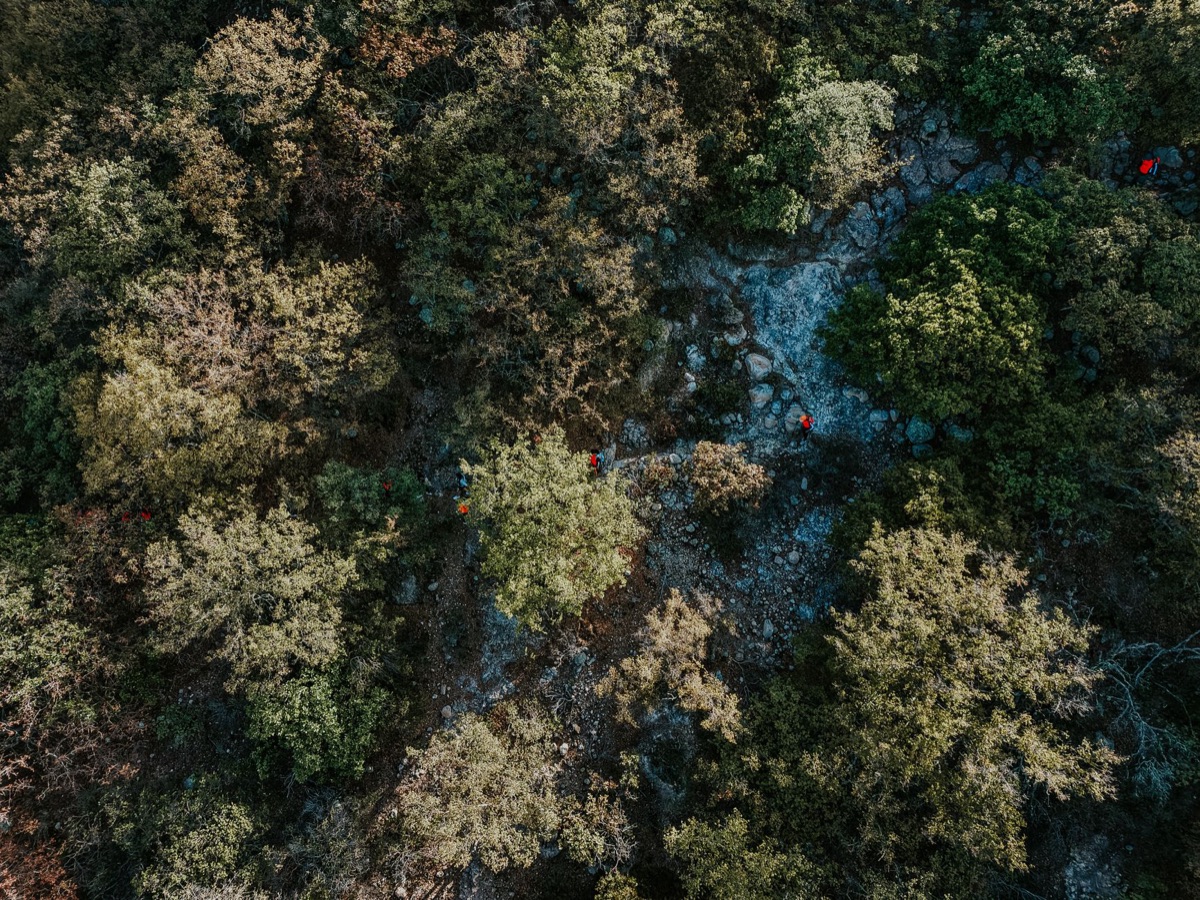
Why Choose the 4-Country Alpine circuit?
I remember standing on a balcony in Lucerne at 6:30 AM as the morning mist lifted, realizing that the sheer scale of the Alps was far more intimidating than any guidebook suggested. The cold air hit my face, and the silence of the valley below made the massive peaks feel almost sentient.
According to the World Bank, Switzerland recorded international tourist arrivals of 11,818,000 in 2019.
In 2025, as I sat there with a steaming cup of coffee, I realized that no single country could capture the full magnitude of this range.
The mountains aren't just a backdrop; they are a massive, interconnected ecosystem that defines the very identity of Central Europe.
The Alps cover a staggering 192,753 square kilometers (74,422 sq mi) of territory, and while Switzerland only accounts for 14% of that total area, it holds a massive portion of the high-altitude prestige.
In fact, 48 out of the 82 alpine four-thousanders are located within the Swiss Alps, and nearly all of the remaining 34 peaks are within 20 kilometers (12 miles) of the border.
This density makes a multi-country circuit possible because you can transition from one world-class range to another in a single afternoon.
Beyond the geography, the circuit offers a masterclass in cultural diversity.
You move from the precision of Swiss chalet architecture and the deep traditions of Alpine horn playing to the dramatic, jagged peaks of the French Mont Blanc massif and the sun-drenched, unique textures of the Italian Dolomites.
This isn't just a sightseeing trip; it is a transition through different ways of living in harmony with high altitudes. The sheer variety of the landscape is why travelers often struggle to choose between staying in one country or crossing borders.
Do you focus on the deep, concentrated intensity of the Swiss peaks, or do you spread your journey to capture the different "flavors" of the mountains?
Should I visit Jungfrau or the Matterhorn? Walking through the streets of Interlaken in the late afternoon, the smell of fresh mountain air and melting snow always signals that you are at the heart of the Alpine world. In Switzerland, the mountains are not just scenery; they are the primary driver of the economy and the soul of the nation.
Switzerland serves as the logistical heart of any four-country itinerary. With its world-class rail infrastructure, you can move between high-altitude hubs like Interlaken, Lucerne, and Zermatt with ease.
The country is home to 6% of Europe's freshwater, often called the "water tower of Europe," and the glaciers alone cover 1,220 square kilometers (470 sq mi)—representing 44% of the total glaciated area in the entire Alps.
When planning your Swiss leg, you face a fundamental choice: the Jungfrau region or the Matterhorn.
The Jungfrau offers a high-altitude, ice-and-snow experience via the famous mountain railways, while the Matterhorn in Zermatt provides that iconic, single-peak silhouette that defines the Alpine image.
Because the temperature decreases by approximately 0.56 °C (33.01 °F) per 100 meters of ascent, your choice of destination will dictate your entire packing list and physical preparation. The high operational costs of Switzerland require a tactical approach to budgeting.
High-end tourism spending can quickly deplete a travel fund if you do not balance expensive mountain excursions with smarter daily choices.
| Feature | Jungfrau Region | Zermatt (Matterhorn) |
|---|---|---|
| Primary Vibe | Glacial, high-altitude, ice palaces | Iconic peaks, mountaineering, village charm |
| Key Transport | Jungfraubahn (cogwheel train) | Gornergrat Bahn / Matterholder Glacier Paradise |
| Best For | Families and ice enthusiasts | Photographers and hikers |
| Base Station | Interlaken / Lauterbrunnen | Zermatt |
The choice between ice and peak defines your entire itinerary, but the real challenge begins once you leave the Swiss border.
Should I visit France, Italy, or Austria too? Driving through the winding passes toward the French border at sunrise, the landscape shifts from the manicured greens of the Swiss valleys to the more rugged, dramatic heights of Chamonix. The transition is palpable, marking the move from one Alpine identity to another.
While Switzerland provides the infrastructure, the neighboring countries offer thematic contrasts that prevent "mountain fatigue." In France, the Chamonix valley offers a different kind of verticality, centered around the massive Mont Blanc.
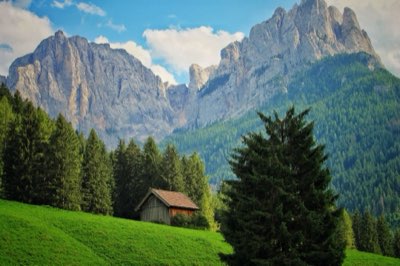
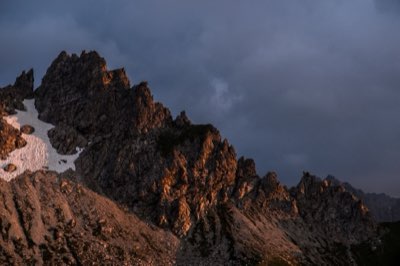
In Italy, the Dolomites provide a starkly different geological beauty—pale, jagged limestone peaks that glow pink at sunset, offering a stark contrast to the dark granite of the Swiss Alps.
Austria brings a different texture to the circuit. The regions of Innsbruck, Hallstatt, and the Salzkammergut offer a more pastoral, lake-focused Alpine experience.
Where Switzerland feels high-tech and vertical, the Austrian side often feels more melodic, with its rolling hills and deep, historic lake districts.
| Region | Key Characteristic | Best Experience |
|---|---|---|
| French Alps | High-altitude drama | Mont Blanc views & Chamonix adventures |
| Italian Dolomites | Unique geology | Dramatic sunrise/sunset photography |
| Austrian Alps | Lakes & Tradition | Hallstatt charm & Innsbruck culture |
The variety is overwhelming, but how do you actually manage the transition between these worlds without breaking your budget or your spirit?
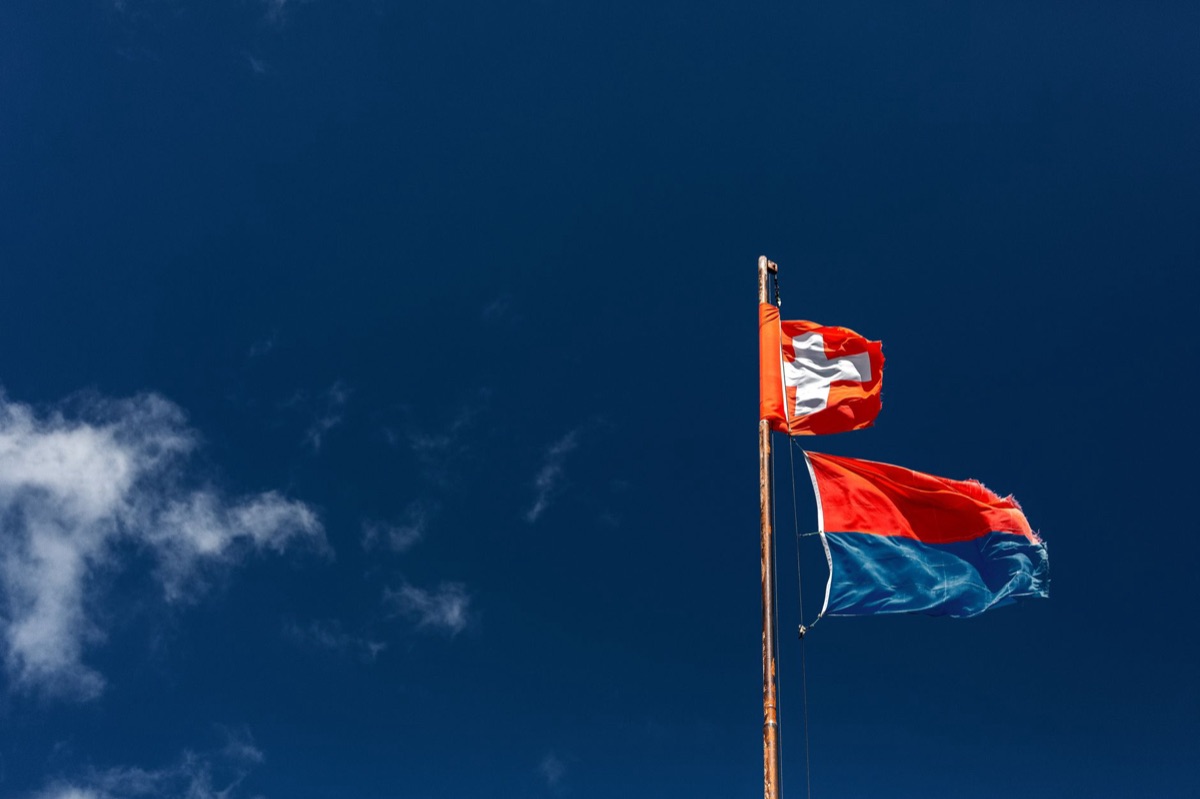
Mastering the Ascent: Passes, Trains, & Logistics
Sitting in a panoramic train carriage in the summer of 2026, watching the glaciers slide past the window, you realize that in the Alps, the journey is often more important than the destination. The logistics of moving through high-altitude terrain can be the most challenging part of the trip.
The success of a four-country circuit depends on your "Pass Strategy." In Switzerland, you must decide between the Swiss Travel Pass, the Half-Fare Card, or various multi-day regional passes. A common mistake is buying a pass that doesn't align with your specific route.
For example, if you plan to spend most of your time in the Bernese Oberland, a regional pass might be more cost-effective than a national one.
To maximize your investment, follow this decision-making framework:
- Map your major transit legs: Identify which long-distance journeys (like the Glacier Express) are non-negotiable.
- Calculate the "Base vs. Peak" cost: High-altitude mountain railways are often an additional cost on top of standard rail passes.
- Assess your mobility: If you plan to move between countries frequently, look for international rail connections that integrate with your Swiss passes.
- Match the pass to the density: In high-density areas like the Jungfrau, local passes often provide better value for frequent cable car use.
The goal is to reach a state of "logistical flow," where the transition from a Swiss train to an Italian bus or an Austrian mountain cog feels seamless rather than stressful. But even with a perfect plan, there is one variable you cannot always control.
Comments 0