Italy vs France: Which Alpine Majesty Suits Your Next Trip?
"Choosing between the dramatic, pale majesty of the Dolomites and the rugged, high-altitude grandeur of Chamonix is choosing two distinct, yet equally breathtaking, expressions of the Alps."
Deciding which side of the Alps to visit often comes down to a fundamental question: do you want to walk through a masterpiece of color and culture, or do you want to stand at the edge of the world?
While both regions share the 1,200 km (750 mi) span of the Alpine range, their souls are entirely different.
Key Takeaways
* Geological Identity: The Dolomites feature pale, jagged carbonate peaks perfect for scenic trekking, while Chamonix offers sharp, glaciated granite peaks built for high-altitude mountaineering. * Activity Focus: The Dolomites lean toward accessible hiking, via ferrata, and cultural immersion; Chamonix is the global epicenter for technical climbing, glacier travel, and extreme sports. * Atmosphere/Vibe: The Dolomites offer a warm, Mediterranean-influenced mountain culture; Chamonix delivers a pure, high-altitude, Franco-Alpine expeditionary vibe.
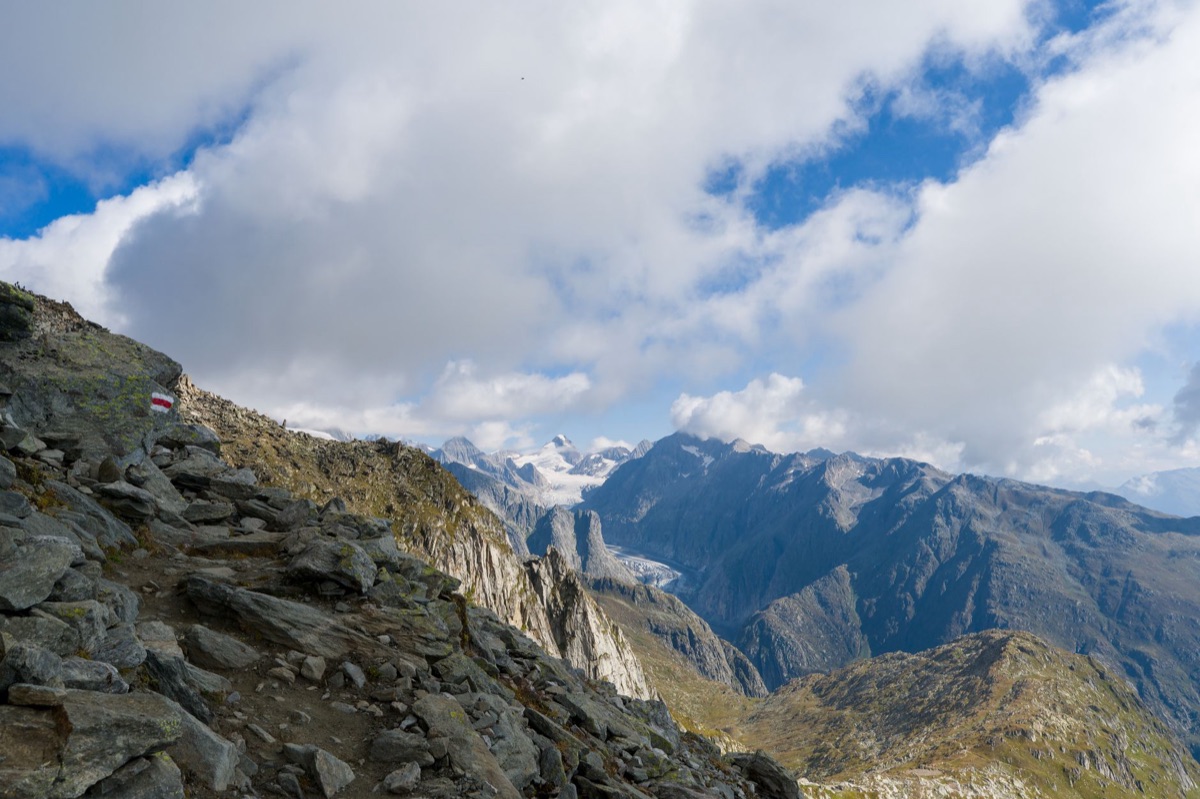
Where do all these alpine bodies meet? I remember standing on a balcony in Cortina d'Ampezzo at 7:30 PM on a Tuesday in late August, watching the pale rock turn a deep, bruised violet. It wasn't just a mountain; it felt like a living sculpture.
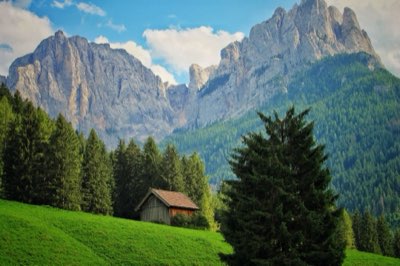
The Dolomites are composed of unique carbonate rock, which creates a jagged, plateau-like landscape that catches light in ways few other mountains can. This geology allows for massive, sheer walls that rise abruptly from lush green valleys, creating a visual contrast that is almost surreal.
Because the rock is less prone to the massive glacial scouring seen in the high Alps, the terrain often feels more approachable and varied.
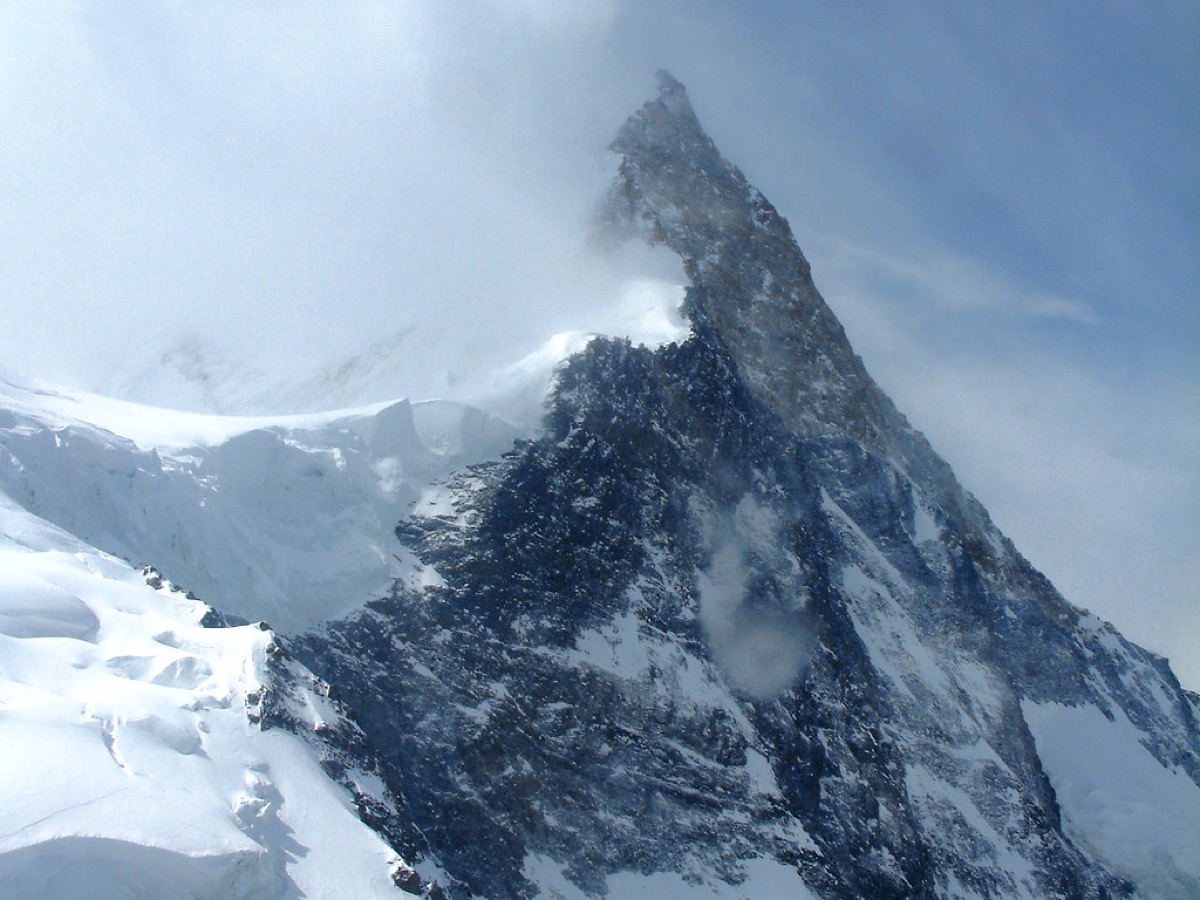
In contrast, Chamonix is defined by the massive, glaciated granite of the Mont Blanc massif. The peaks here are sharper, more aggressive, and heavily shaped by ice. While the Dolomites feel like a series of monumental towers, Chamonix feels like a vertical fortress.
The deep valleys carved by ancient glaciers create a sense of immense scale and high-altitude drama that is constant.
The difference in rock type dictates your entire experience. In the Dolomites, you are navigating a labyrinth of pale peaks and high-altitude meadows. In Chamonix, you are looking up at the high-alpine theater of ice and granite.
But the geology is only the foundation of the divide.
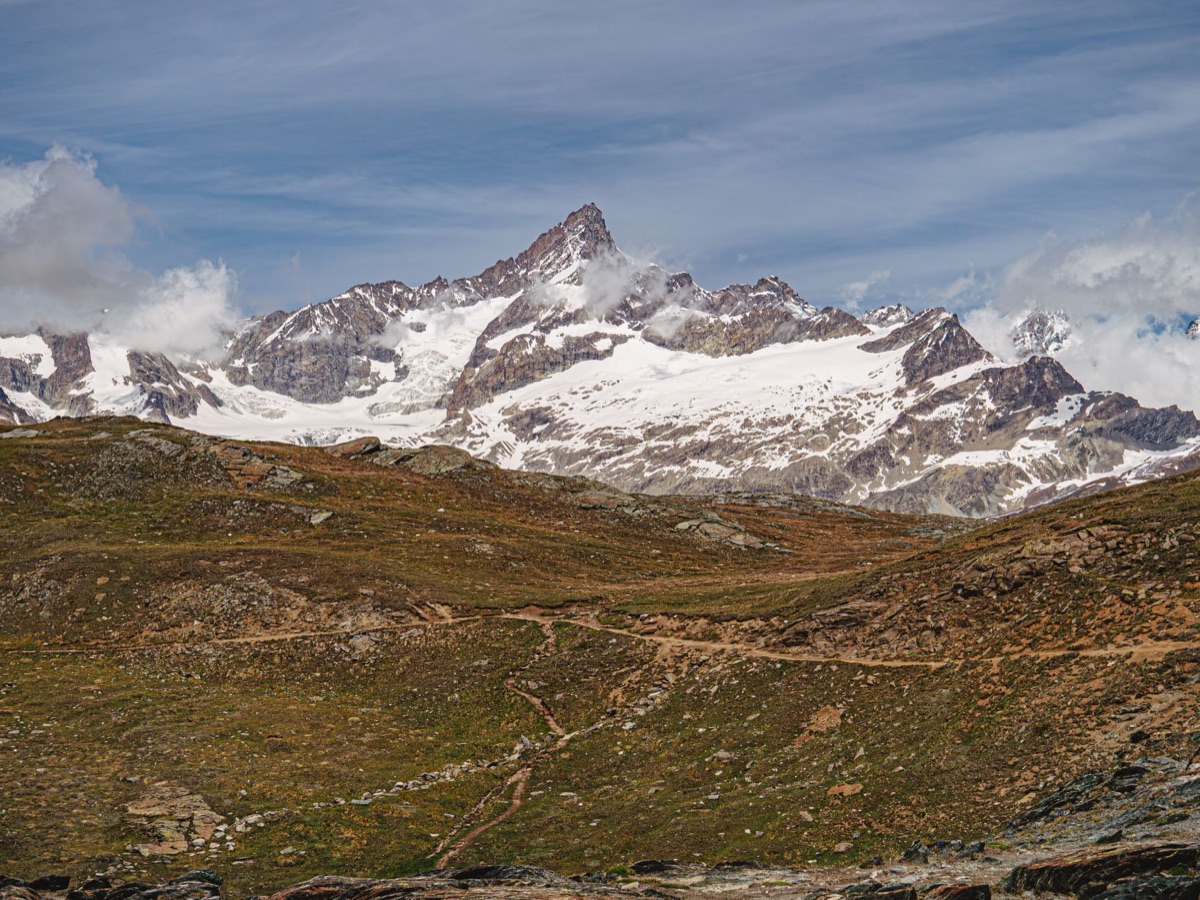
What's the difference between hiking and mountaineering? I once spent a morning in the Dolomites looking for a quiet trail, only to find a family sharing a massive plate of polenta at a mountain hut halfway up a ridge. It felt like a social event, not just a trek.
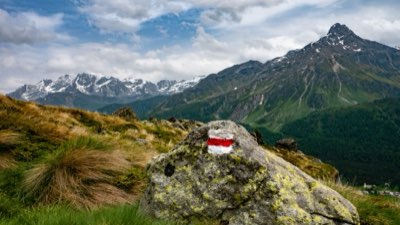
The Dolomites are a paradise for those who love movement without constant technical danger. The region is famous for *via ferrata*—protected climbing routes using steel cables—which allow hikers to experience high-altitude thrills without being professional climbers.
The network of *rifugios* (mountain huts) makes multi-day trekking highly accessible, offering a perfect balance of physical challenge and comfort.
Chamonix, however, is a different beast entirely. It is the undisputed hub for serious mountaineering and technical alpinism. While there is plenty of hiking, the primary draw is the ability to access high-altitude objectives, glacier travel, and extreme sports like paragliding or ice climbing.
The terrain is more unforgiving, requiring specialized gear like crampons, ice axes, and ropes for most high-level activities.
If you want to spend your days moving through beautiful landscapes with a heavy pack and a light heart, the Dolomites are your match. If you want to test your limits against ice and vertical granite, Chamonix is calling.
But what happens when the sun goes down and the culture takes over?
| Feature | Dolomites (Italy) | Chamonix (France) |
|---|---|---|
| Primary Rock | Carbonate / Dolomite | Granite / Gneiss |
| Best For | Trekking, Via Ferrata, Photography | Mountaineering, Glacier Trekking, Extreme Sports |
| Vibe | Cultural, Scenic, Social | Adventurous, Technical, Intense |
| Terrain | High Plateaus & Meadows | Sharp Peaks & Glaciers |
Beyond the Summit: Culture, Infrastructure, and Vibe
Walking through a village in Val Gardena at noon, I noticed how the wood-carved architecture and the smell of fresh cheese seemed to blend seamlessly into the mountain slopes. According to World Bank, Italy recorded international tourist arrivals of 38,419,000 in 2020.
The Dolomites offer a rich, layered cultural experience. Because of its history, you find a unique blend of Italian, Austrian, and Ladin influences. This shows up in the food, the architecture, and the hospitality.
Staying in a *rifugio* is an integral part of the journey, where communal dining and local wines create a warm, social atmosphere. It is a place where the mountains feel integrated into daily life.
Chamonix delivers a pure, high-altitude, Franco-Alpine experience. The culture here is centered entirely around the mountain. The infrastructure is designed for efficiency and expedition logistics, catering to climbers and skiers from around the world.
While there is certainly charm in the town, the vibe is more focused on the pursuit of the summit. It is a basecamp-style atmosphere where the conversation often revolves around weather windows and technical routes.
The Dolomites feel like a destination where you live *with* the mountains. Chamonious feels like a destination where you use the mountains as your arena.
So, how do you actually make the choice?
How to Decide: A Step-by-Step Checklist
Choosing between these two requires looking at your own travel style and what you want to bring home in your memory bank. Use this checklist to find your match.
- Identify your physical threshold: If you prefer scenic walks and moderate inclines, choose the Dolomites. If you want to use ropes and ice axes, choose Chamonix.
- Assess your social needs: If you want to share wine and pasta with strangers at a communal table, the Dolomites are perfect. If you prefer a quiet, focused atmosphere of preparation and solitude, go to Chamonix.
- Evaluate your gear requirements: If you can pack a light bag and sturdy boots, the Dolomites are ready for you. If you need to manage heavy technical gear and specialized clothing, Chlamonix is the destination.
- Consider the "Atmosphere" factor: If you want a mix of mountain and village life, the Dolomites win. If you want a mountain-centric expeditionary vibe, head to France.
The Time-Constrained Traveler If you only have a week, the Dolomites might offer a more "complete" feeling. You can experience high-altitude drama, incredible food, and beautiful towns all within a relatively compact area.
Chamonix requires more logistical focus if you plan to do more than just sightseeing.
The Social Hiker If you enjoy meeting people over a shared meal at a mountain hut, head to Italy. The social nature of the Dolomites makes it easy to connect with other travelers.
The Technical Adventurer If your goal is to stand on a glacier or conquer a technical peak, don't waste time in the Dolomites. Chamonix is the place where the world's best mountaineers gather.
The Photographer The "Enrosadira"—the phenomenon where the Dolomites turn pink and orange at sunset—is a bucket-list event. While Chamonix is stunning, the Dolomites offer a unique light play that is unmatched.
Summary Comparison
- Choose the Dolomites if: You want scenic hiking, incredible food, cultural immersion, and a mix of adventure and comfort. | Choose Chamonix if: You want high-altitude mountaineering, glacier exploration, and a serious, adrenaline-fueled atmosphere.

Comments 0