Alps Rail Journey: 800km Arc Through Europe's High Peaks
"The rhythm of the tracks against the backdrop of eternal ice is a melody you can only hear in the heart of Europe."
Choosing the right mountain rail route is the difference between a simple transit and a transformative life event. Whether you are chasing the jagged peaks of the Matterhorn or the sweeping vistas of the Austrian Salzkammergut, your choice defines your entire travel identity.
Key Takeaways * The Alps span an 800 km (500 mi) arc across multiple nations, offering vastly different landscapes from west to east. * Selecting the right rail pass versus individual tickets is the primary way to manage the high cost of Alpine travel.
* High-altitude travel requires specific preparation for weather shifts and physical acclimatization. * Strategic itinerary planning allows you to balance luxury mountain hotels with authentic, rustic hut experiences.
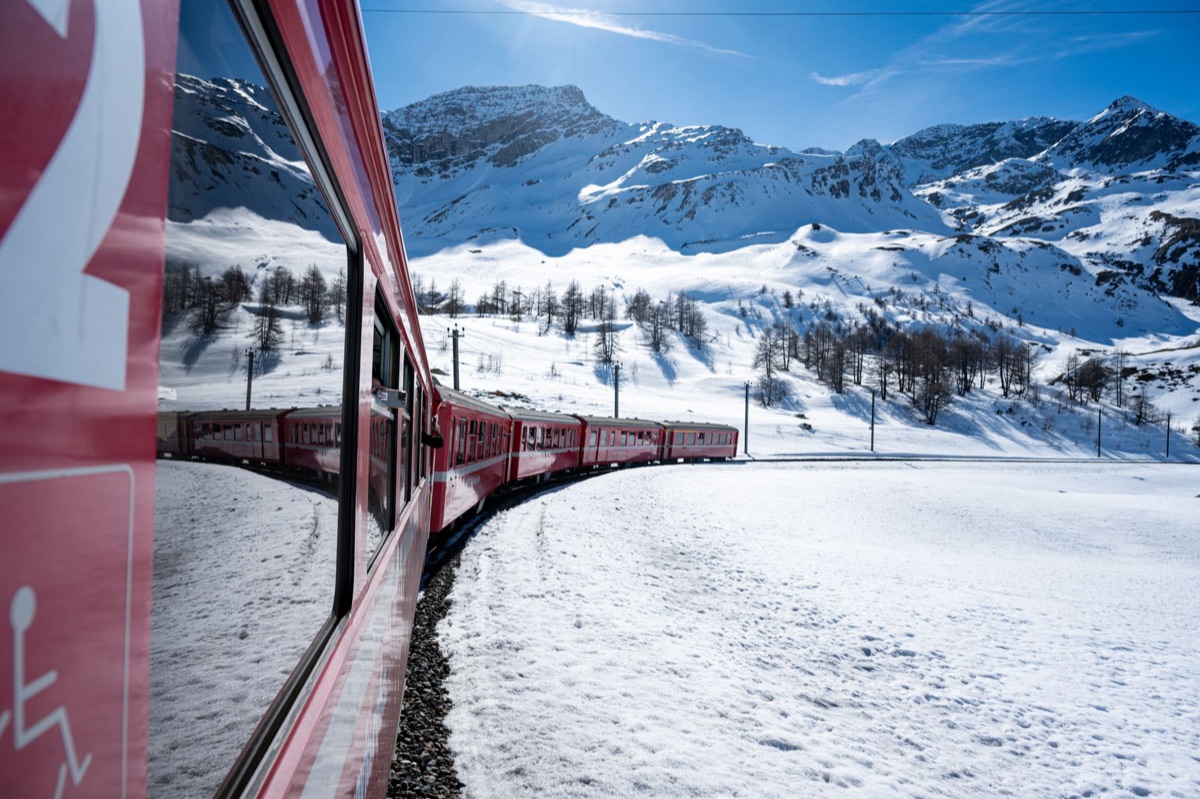
How grand are the high peaks? At dawn in the Bernese Oberland, I leaned my forehead against the frosted window as the morning mist drifted away from the jagged Eiger.
I remember sitting by a frosted window in a small station in the Bernese Oberland in late 2025, watching the morning mist peel away from the Eiger. The sheer scale of the mountains makes you feel microscopic, yet the engineering that allows you to reach those heights feels profoundly human.
The Alps are a massive, crescent-shaped geographic feature that stretches approximately 1,200 km (750 mi) across Europe, touching countries from France to Slovenia. This vast range covers an area of roughly 800 km (500 mi) in an arc, with a width of about 200 km (120 mi).
Because the mean height of the peaks is roughly 2.5 km (1.6 mi), the terrain is as challenging as it is beautiful.
Historically, traversing these heights was a feat of pure grit. In the mid-19th century, engineers began carving paths through the rock, including significant tunnels that laid the groundwork for modern rail.
These tracks don't just move people; they navigate a vital ecological "water tower" that feeds much of lowland Europe.
The global fascination with this landscape is evident in the numbers; for instance, World Bank data shows that Switzerland alone recorded 11,818,000 international tourist arrivals in 2019.
As you look at the map, you realize that "the Alps" is not one single destination, but a collection of distinct worlds.
Which region fits my dream? I once spent a week in the French Alps and another in the Austrian Tyrol, and the transition felt like moving between two different planets. In one, the peaks were sharp and dramatic; in the other, the mountains felt like gentle, green giants.
To make an informed choice, you must categorize your interests into three primary regional "moods."
| Region | Primary Vibe | Key Landmark Focus |
|---|---|---|
| Swiss Alps | High-altitude drama & precision | Jungfraujoch, Matterhorn, Interlaken |
| Franco-Italian Alps | Rugged majesty & sheer scale | Mont Blanc, Chamonix, Dolomites |
| Austrian Alps | Cultural charm & pastoral beauty | Innsbruck, Hallstatt, Salzkammergut |
The Swiss focus is often the pinnacle of rail travel, offering high-altitude hubs like Jungfraujoch and the iconic views of the Matterhorn. If you want the gold standard of mountain transit, this is your destination.
The Western Alps, spanning France and Italy, offer a different kind of majesty through Chamonix and the sheer face of Mont Blanc. Meanwhile, the Austrian Alps provide a more lyrical, cultural immersion, perfect for those who want to pair mountain views with lakeside charm in places like Hallstatt.
Deciding between these regions is the first major hurdle in your planning process.
Mastering the Journey: Trains vs. Passes
Walking into a ticket office in Zurich in early 2026 can be overwhelming if you don't know the difference between a seat reservation and a travel pass. I once learned the hard way that a beautiful view is much harder to enjoy when you are stressing over a complicated ticket.
The core of your logistics will involve two main decisions: the specific rail line and the type of pass you carry.
- Route Specifics: Some lines, like the Glacier Express, are designed as "panoramic" journeys meant for slow, scenic travel. Others are functional transit lines meant to move you between valleys.
- The Pass Calculus: In Switzerland, you will often choose between the Swiss Travel Pass (unlimited travel) and the Half-Fare Card (significant discounts on individual tickets).
- Cost-Benefit Analysis: You must calculate your planned travel distance. If you are staying in one valley, a pass might be overkill; if you are crossing the country, it is essential.
- High-Altitude Safety: Always remember that mountain weather is unpredictable. A sunny valley can host a blizzard at the summit.
Understanding these logistics is the difference between a smooth journey and a logistical nightmare.
Beyond the Train: Enhancing Your Adventure
A train ride is just a way to get there; the real magic happens when you step off the platform and into the mountains. I remember the smell of fresh goat cheese in a high-altitude hut—it was a sensory reminder that we were guests in a working landscape.
To truly experience the Alps, you must plan for the "ecosystem" of your trip.
* Accommodation Variety: Do you want the luxury of a grand hotel in St. Moritz, or the authentic, rugged experience of a mountain hut (Hütte/Werte)? Mixing both provides a balanced perspective of Alpine life. * Activity Pairing: High-altitude rail travel is often paired with hiking. Always check the difficulty of a trail against your planned altitude to avoid exhaustion. * The Survival Strategy: Because the Alps can be expensive, successful travelers often mix fine dining with local grocery runs. Picking up local cheeses and breads for a mountain picnic is both a budget-saver and a cultural highlight. * Cultural Touchpoints: Look for the traditions of Alpine herding and cheese production. These are not just tourist attractions; they are the heartbeat of the mountain economy.
Your itinerary is the skeleton of your trip, but your activities are the soul.
Planning Your Perfect Itinerary
I always tell my friends: don't try to see everything in one go. If you try to hit every peak in the Alps in ten days, you will spend more time in transit than in the mountains. According to World Bank data, Switzerland recorded international tourist arrivals of 11,818,000 in 2019.
A successful plan usually follows a structured logic. For a comprehensive experience, you might look at a 7-day deep dive into Switzerland, focusing on one or two specific regions to minimize travel fatigue.
When planning, consider the seasonal shift: summer offers hiking and green pastures, while winter brings the legendary snow and skiing.
Before you depart, follow this checklist:
- Booking Windows: High-demand routes and popular mountain hotels often require bookings months in advance.
- Layered Clothing: Always pack for four seasons, regardless of the month.
- Document Readiness: Ensure you have your rail passes and identity documents organized digitally and in print.
Note that while these strategies work for most, they may not apply to those traveling solely for extreme sports or high-speed transit, where the focus shifts from scenery to pure adrenaline.
With a solid plan in place, you are ready to face the mountains.
Comments 0