Alps hiking weather guide: How to prepare for alpine weather
"The mountain does not care about your plans, only your preparation."
Navigating high-altitude weather requires specific gear and an understanding of rapid shifts in alpine conditions. This guide provides essential safety rules for hikers facing sudden temperature drops or storms.
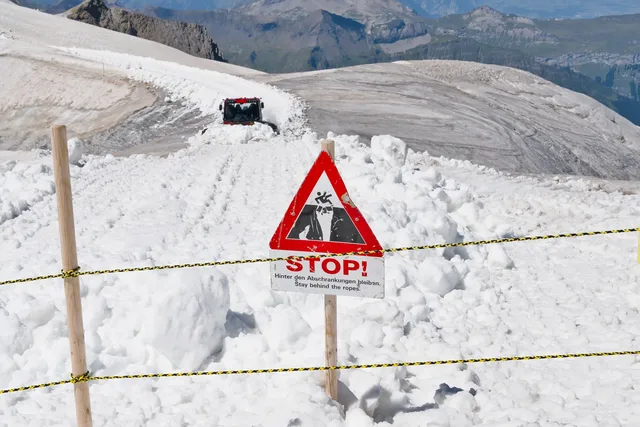
To stay safe, you must monitor local forecasts, layer your clothing effectively, and have a clear evacuation plan for when visibility fades. 1. Monitor real-time mountain weather stations. 2. Utilize a layered clothing system for temperature shifts. 3.
Identify emergency shelter points on your route.
How do I prepare for Alpine weather?
At dawn, you pull a heavy thermal jacket tight against the biting cold while staring at the jagged Alps.
The wind howls against a heavy waterproof jacket as a hiker checks a digital barometer. High altitude weather can change in minutes, turning a sunny trek into a freezing ordeal.
You must prepare by checking local forecasts specifically for the elevation you intend to reach, as valley weather often differs significantly from peaks.
According to World Bank data, Switzerland recorded international tourist arrivals of 11,818,000 in 2019. While millions visit these mountains, the environment remains unpredictable for everyone. You should carry high-energy food and extra water to maintain body heat during sudden delays.
What are the essential high altitude safety rules? Alps hiking weather guide
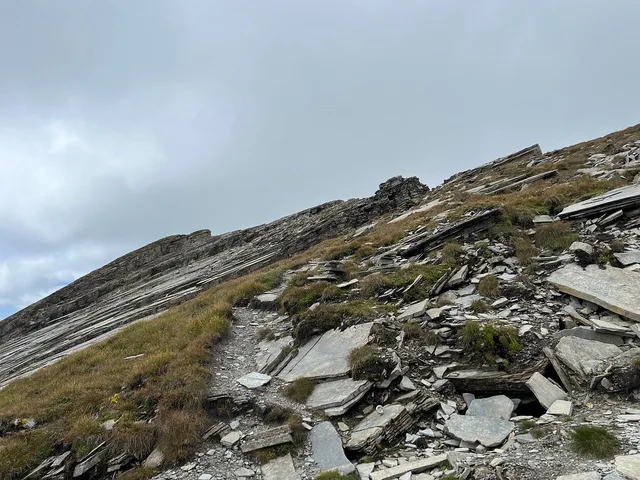
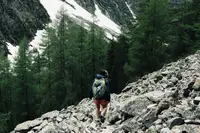
A heavy backpack shifts as a climber steps carefully over a narrow, rocky ledge. Following specific high altitude safety rules ensures you can react when the sky turns gray. You should always inform someone of your intended route and expected return time before leaving the trailhead.
When visibility drops due to fog or snow, staying on the marked trail is your primary defense against disorientation. I remember checking my map repeatedly when the clouds rolled in unexpectedly near the ridge. You must prioritize safety over reaching a summit if weather conditions deteriorate.
How to manage gear for sudden changes?
A hiker pulls a thermal layer from a backpack while standing near a steep cliff. Proper gear management is a core part of mountain hiking tips for anyone traversing the Alps. You need to manage your body temperature by adding or removing layers before you start shivering.
- Check the weather forecast for your specific altitude. 2. Pack a lightweight, waterproof shell and an insulating layer. 3. Carry a reliable navigation tool that does not rely on cellular signal.
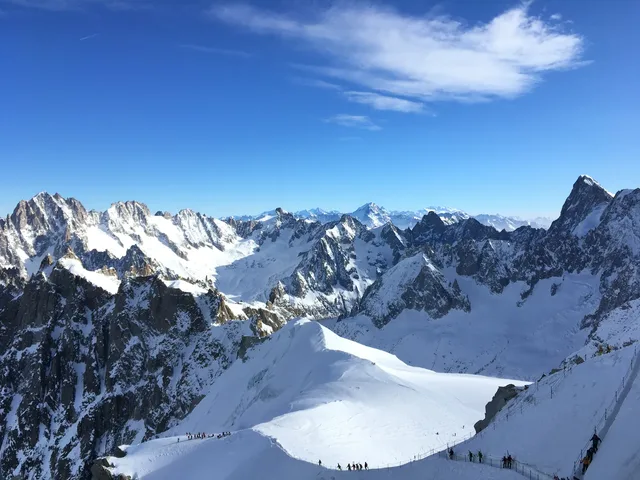
Always verify your route against a physical map or a dedicated GPS device before starting. This ensures you remain prepared even when electronic devices fail in cold conditions.
What gear is needed for mountain treks?
A sturdy hiking boot grips the uneven, wet earth during a steep ascent. Selecting the best gear for mountain treks involves focusing on durability and weather resistance.
Your boots must provide ankle support for technical terrain, and your clothing must be moisture-wicking to prevent sweat from chilling your skin.
| Gear Type | Primary Function |
|---|---|
| Waterproof Shell | Blocks wind and rain |
| Thermal Layer | Retains body heat |
How to prevent altitude sickness?
A hiker sits quietly on a wooden bench, sipping water while watching the mountain peaks. Preventing altitude sickness requires a gradual ascent and staying hydrated throughout the day. You should monitor your body for symptoms like headaches or nausea, which indicate a need to descend immediately.
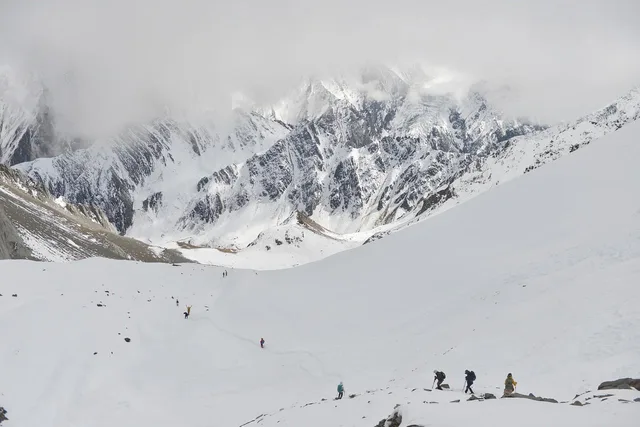
Dealing with sudden weather changes is just as critical as managing physiological symptoms. If the temperature drops sharply, you must seek shelter to prevent hypothermia. These measures are essential for anyone exploring high-altitude regions.
The subject here is Alps hiking weather guide.
The same subject is also called Alpine weather prep.
The same subject is also called Hiking safety checklist.
Preventing altitude sickness
Related
How to identify signs of weather shifts?
Watch for rapid changes in cloud formations or sudden drops in temperature. If the wind increases or visibility decreases, you must prioritize finding shelter. A sudden shift in weather conditions requires immediate action to maintain safety.
How to use your layers effectively?
- Put on a thermal layer before you feel cold. 2. Add a waterproof shell if rain or wind begins. 3. Remove layers if you begin to overheat to prevent sweating. This layering system manages your body temperature during sudden shifts.
Summary of safety precautions
Always prioritize your safety over reaching a summit if the weather turns. You must monitor your body for symptoms of altitude sickness and check local forecasts for your specific elevation. These steps ensure you are prepared for the unpredictable mountain environment.
What happens when the mountain does not care about your plans?
- The mountain does not care about your plans; it responds only to your preparation. 2. Rapid shifts in alpine conditions demand specific gear and an understanding of how the mountain behaves. 3. Hikers facing sudden temperature drops or storms must adhere to essential safety rules.
When the mountain does not care about your plans, you must implement a proactive strategy for survival. You should always have a clear evacuation plan ready for when visibility fades, which is a condition that can occur quickly. Monitoring local forecasts is the initial step to mitigating the mountain's unpredictable nature.
What conditions necessitate immediate action?
If the wind increases or visibility decreases, you must prioritize finding shelter because a sudden shift in weather conditions requires immediate action to maintain safety. When the mountain presents adverse conditions, such as a sharp temperature drop, seeking shelter is a necessary procedure to prevent hypothermia.
You should always inform someone of your intended route and expected return time before leaving the trailhead, a caution that applies regardless of the mountain's current mood. The effectiveness of these safety measures depends on the specific conditions of the terrain and the individual's physical fitness, a comparison that must always be made.
When managing gear for sudden changes, the procedure involves adding or removing layers before you start shivering, which helps manage your body temperature. This technique is crucial because the mountain itself can cause rapid thermal stress on the hiker.



Comments 0