Alpine Hut Guide: Choosing Your Perfect Trekking Base Camp
"The mountain doesn't care about your itinerary, but the hut decides if you make it home."
Choosing between a rugged high-altitude refuge and a comfortable mountain lodge isn't just about comfort—it is a strategic decision that dictates your entire trekking itinerary and physical safety.
Selecting the wrong type of hut can mean the difference between a successful summit and an exhausted, unprepared hiker caught in a storm.
Key Takeaways
* Match the Mission: Align your hut choice with your objective, whether it is a technical summit push or a scenic day trek. * Logistics Matter: Understand the difference between self-sufficient mountaineer huts and serviced lodges. * Plan Ahead: High-altitude huts require much earlier booking and different gear than valley-based accommodations. * Mind the Altitude: Use huts strategically to manage acclimatization and physical recovery.
Why Choose a Hut? Defining Your Alpine Objective
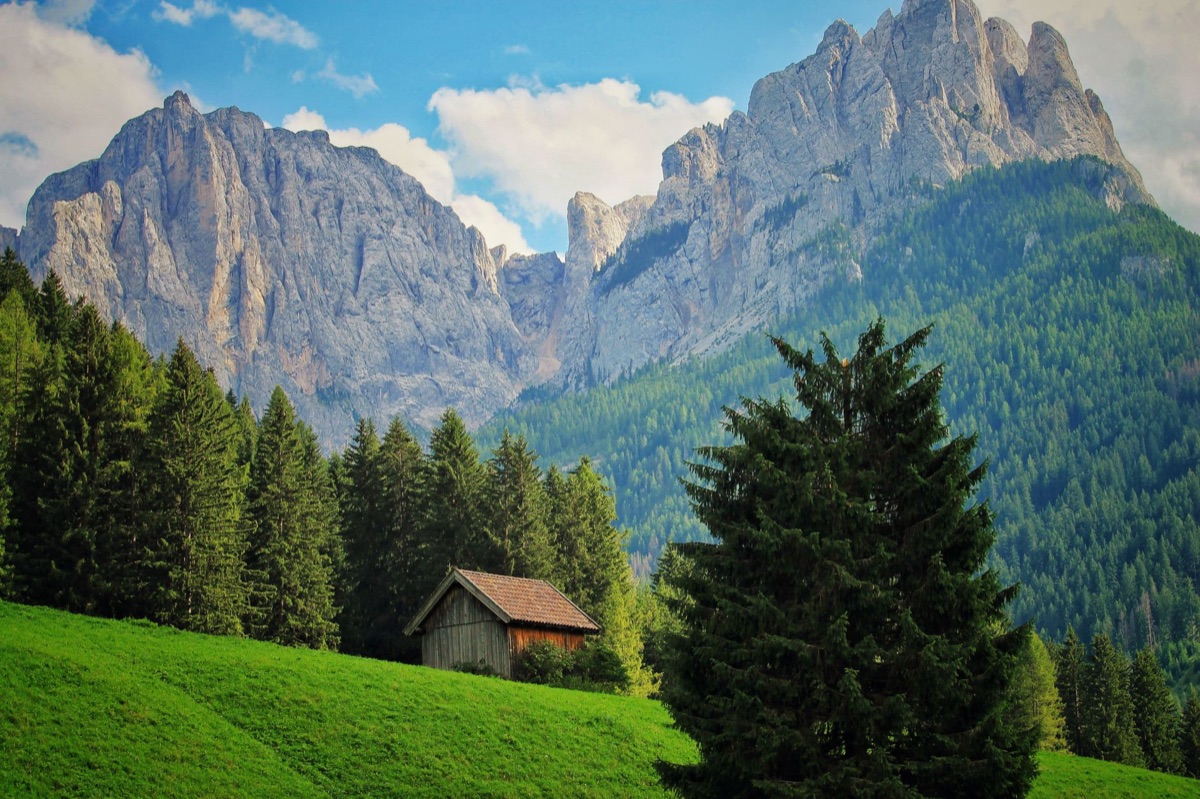
The sun hits the jagged peaks of the Eiger at dawn, casting long shadows over the valley while a hiker tightens their boot laces at a small wooden structure. The air is thin and smells of pine and cold stone.
When you enter the world of the Alps, you aren't just choosing a hotel; you are choosing a way to interact with the terrain. The Alps cover 60% of Switzerland's total 41,285 square kilometers, and much of this territory is rugged, high-altitude terrain where traditional hotels cannot exist.
This makes the *Hütte* or alpine hut an essential part of the landscape.
The first step is defining your purpose. Are you looking for an overnight refuge to serve as a staging point for a technical climb, or a scenic stop to enjoy a meal and a view?
A refuge is often a survival and rest necessity, located at high altitudes to allow climbers to start their ascent before the weather turns. In contrast, a day-use hut is a social and scenic hub located at lower elevations.
The commitment level changes with the altitude. A hut located near a glacier requires significant physical exertion and specialized gear, whereas a mid-range refuge might be accessible via a standard hiking trail. Understanding this distinction is the foundation of your logistics.
You aren't just booking a bed; you are booking a specific level of accessibility and a specific type of mountain experience. But choosing the right type is only the beginning of the challenge.
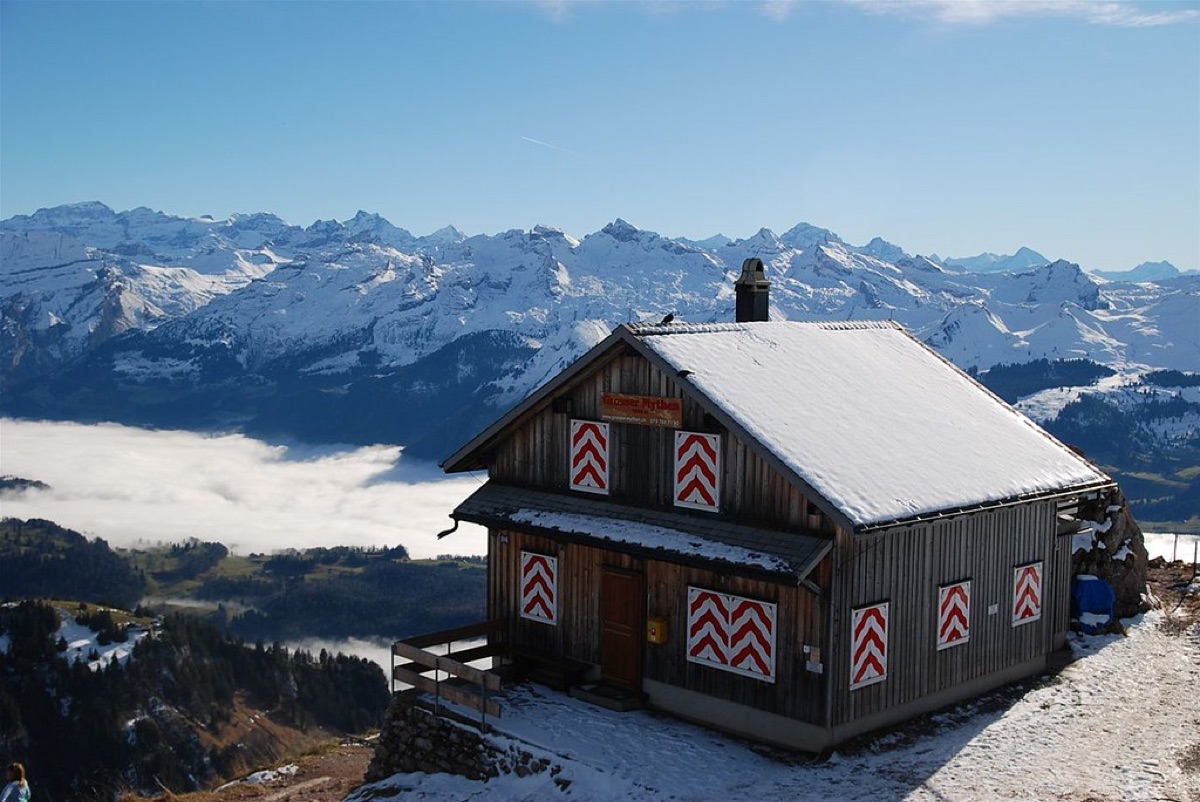
Which hut type fits my travel style? A hiker stands at a fork in the trail, looking at a map and then up at a steep, rocky incline where a small stone hut clings to the mountainside.
To make the right choice, you need a decision matrix based on your travel style and the intended route.
| Hut Type | Primary User | Commitment Level | Key Features |
|---|---|---|---|
| Mountaineer's Hut | Technical climbers / Thru-hikers | High | Minimalist, self-sufficiency required, high altitude. |
| Day-Hiker's Stop | Casual trekkers / Sightseers | Low | Food and drink focused, no overnight stays. |
| Luxury/Base Camp | Recovery-focused / Luxury trekkers | Mid-to-High | Hotel-like amenities, great for acclimatization. |
The Mountaineer's Hut is designed for those with a high-commitment mission. These are often located in remote areas, sometimes requiring a strenuous climb just to reach the door. You should expect minimal amenities and may need to provide your own sleeping bag liner or specific gear.
The Day-Hiker's Stop is the perfect low-commitment option. These huts are usually located along established trails and offer a place to refuel with local cheese or soup. They are ideal for those who prefer to sleep in a village and hike up and down during the day.
The Luxury or Base Camp Hut offers a bridge between adventure and comfort. These establishments provide services akin to a small hotel and are crucial for travelers who need a reliable place to recover or acclimatize before attempting higher peaks.
The location of the hut—whether it sits at the tree line or near a glacier—will dictate the intensity of your journey. However, the logistics of getting there can be even more daunting than the climb itself.
How do I handle booking and logistics? A traveler sits at a wooden table in a dim room, checking a reservation confirmation on a smartphone while the wind howls outside the window. According to the World Bank, Switzerland recorded a share of internet users of 97.3% in 2025.
Planning for an alpine stay requires a different mindset than booking a seaside resort. Because many huts are located in remote areas, logistics can become complicated very quickly.
Reservation Timing and Availability In the peak summer months of 2026, the most popular huts book up months in advance. If you are planning a route through the Swiss Alps, you should secure your spots long before you depart.
During the shoulder seasons, you might find more availability, but you must be prepared for the risk of sudden closures due to weather or snow.
Supply and Payment Always clarify what the hut provides. Some huts offer "half-board" (breakfast and dinner), while others require you to bring your own food. Water and firewood are often limited resources at high altitudes.
Regarding payment, while many modern huts accept cards, many remote locations remain cash-only. Always carry enough local currency to cover your stay and emergency supplies.
Altitude and Acclimatization The role of the hut in managing your ascent is vital. Moving from a valley to a high-altitude hut too quickly can lead to altitude sickness. Use the huts to step up your elevation gradually.
This strategic placement helps your body adjust to the thinner air, making the eventual summit push safer and more successful.
When I first attempted a multi-day trek in the Bernese Oberland, I learned the hard way that a lack of planning leads to empty stomachs and cold nights. But even with a reservation, you need to know how to behave once you arrive.
On-Site Etiquette and Survival Tips
The smell of woodsmoke fills the communal room as hikers quietly clean their gear and prepare for sleep.
Living in a hut is a communal experience that requires respect and careful resource management. Because you are in a delicate alpine environment, your behavior affects both the environment and your fellow travelers.
Resource and Group Etiquette Water and waste disposal are critical. In high-mountain environments, water is often sourced from melting snow or limited springs, and waste must be handled according to the hut's specific rules to prevent contamination.
In shared sleeping areas, respect the "quiet hours" and the personal space of others. Most huts use communal dormitories where privacy is minimal.
Weather and Emergency Awareness Alpine weather is notoriously unpredictable. A sunny morning can turn into a violent thunderstorm or a heavy snowfall in minutes. Always check the local forecast and the hut warden's advice before departing.
The hut is your primary safety net; if the weather turns, the hut is where you seek refuge. Knowing the emergency protocols and the hut's role in severe weather is a non-negotiable part of your preparation.
But how do you actually decide which one is right for your specific itinerary?
Comparative Scenarios: Which Hut Suits My Journey?
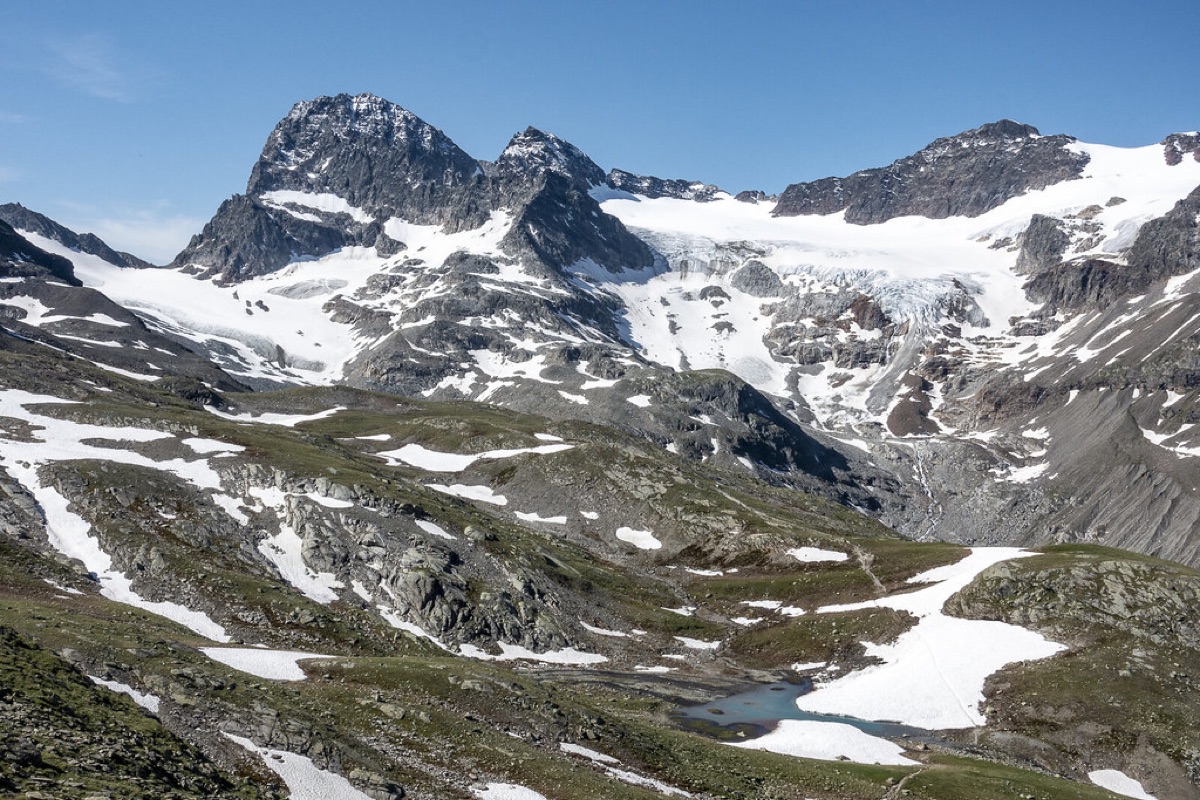
A hiker looks out a window at a massive glacier, weighing the choice between staying in the village or moving up to the mountain hut.
To help you decide, consider these three common travel scenarios and follow the checklist to ensure you are ready.
Scenario A: The Quick View If you are on a short day trip and want to see the peaks without the heavy gear, stick to a Day-Hiker's Stop. This allows you to enjoy the scenery and local flavors without the logistical burden of an overnight stay.
It is the best choice for those who want to return to a standard hotel at the end of the day.
Scenario B: The Endurance Test For those attempting a major peak or a multi-day trek, a Mountaineer's Hut serves as a vital staging point. You use the hut to get closer to the objective, minimizing the time spent climbing on the actual summit day.
This requires high physical fitness and the ability to manage self-sufficiency.
Scenario C: The Budget and Comfort Balance If you want to experience the mountains without the extreme hardship of a high-altitude camp, a Luxury/Base Camp Hut is the answer. While more expensive, it provides the recovery and nutrition needed to sustain a long trip.
This is an excellent choice for travelers who want to maximize their time in the Alps while minimizing the physical toll on their bodies.
The Essential Hut Checklist
- Verify the "Liner" Requirement: Check if the hut requires a silk sleeping bag liner or a full sleeping bag.
- Confirm Meal Plans: Determine if you are booking "half-board" or if you must carry all your own food.
- Pack Emergency Cash: Ensure you have enough local currency for remote areas where cards are not accepted.
- Check the Route Elevation: Map the altitude difference between your current hut and the next to manage acclimatization.
- t5. Review the Weather Window: Always consult the hut warden about the specific weather forecast for the next day's ascent.
#
Comments 0