Mastering the Alps: A Guide to Hiking Across 8 Countries
Conquer the majesty of the Alps, no matter your fitness level, by matching your ambition to the perfect trail.
* Structured guides are available for all skill levels across four major Alpine regions. * Success depends on matching your physical ability to the specific terrain of the region. * Planning essentials include gear, timing, and understanding the logistics of mountain passes. * Safety is paramount: high-altitude realities require respect and preparation.
Why Choose the Alps for Hiking?
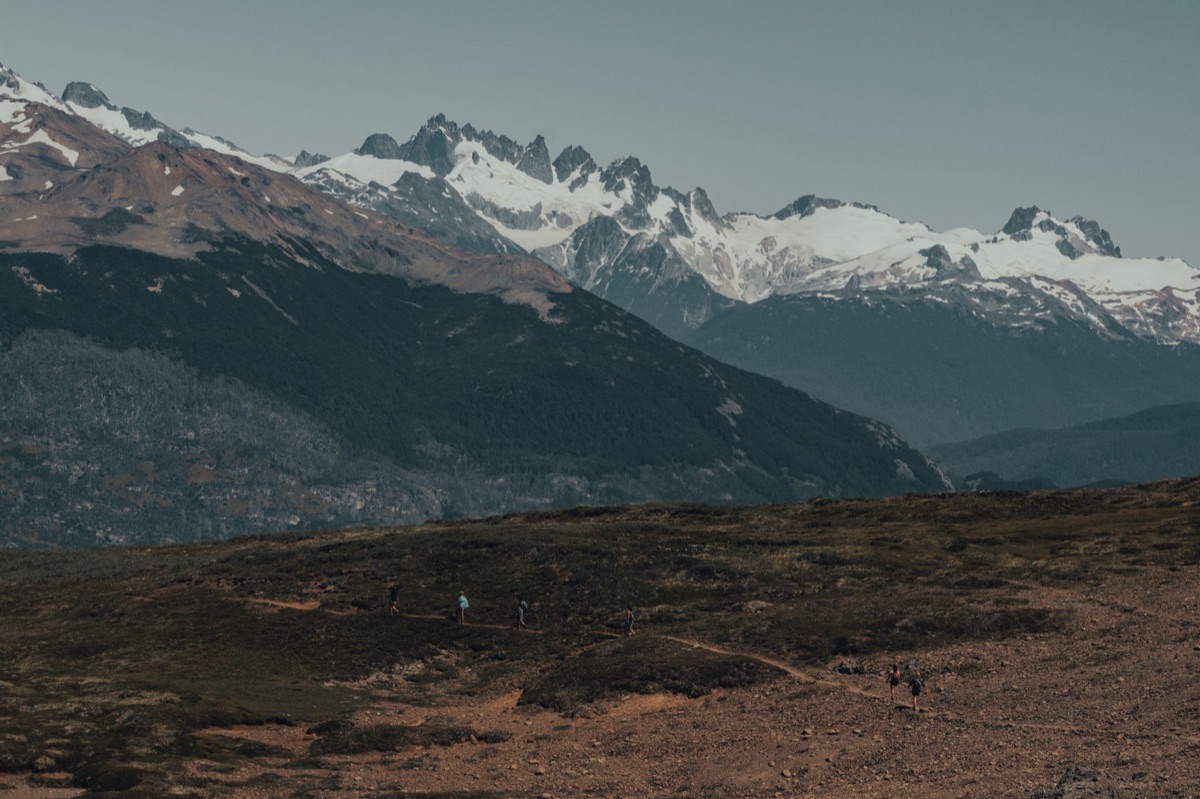
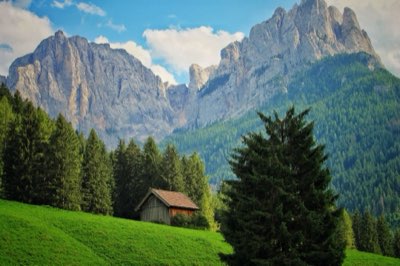
The morning mist clings to the jagged limestone peaks of the Dolomites as the first light of dawn hits the rock face. In the distance, the sound of a cowbell echoes through a valley where traditional wooden chalets sit nestled against a backdrop of massive, snow-capped mountains.
According to World Bank data, Switzerland recorded international tourist arrivals of 11,818,000 in 2019.
The Alps are not just a mountain range; they are a vast, interconnected ecosystem of peaks, glaciers, and valleys stretching approximately 1,200 kilometers across eight countries.
The sheer scale of the range is staggering, offering everything from gentle, flower-filled meadows to vertical ice walls that challenge the world's elite climbers.
In Switzerland, the scale is particularly pronounced, as the Alps cover 60% of the country's total 41,285 square kilometers of surface area.
Walking through these mountains feels like stepping into a living history book. You can see the legacy of Alpine herding in the high-altitude pastures and the unique architecture of the mountain villages.
Because the terrain is so diverse, you can transition from a sunny valley floor to a glacial plateau in a single afternoon. This variety ensures that whether you are looking for a leisurely stroll or a grueling ascent, there is a path waiting for you.
Matching Your Skill to the Trail: Difficulty Spectrum
A hiker stands at a trailhead in Lauterbrunnen, checking their boots and looking up at the sheer cliffs of the Eiger. The wind picks up, whistling through the pine trees, and the path ahead splits into three distinct directions.
Choosing the right trail is the difference between a life-changing adventure and a dangerous mistake. The difficulty of an Alpine trek is determined by elevation gain, technical terrain, and weather exposure.
Beginner Routes These paths are perfect for those new to mountain environments or those looking to acclimate to higher altitudes. They typically follow well-marked, wide trails with minimal steepness.
In regions like the Bernese Oberland, many beginner routes allow you to take a mountain railway to a high starting point, making the "hike" more about the view than the climb.
Intermediate Routes These require a moderate level of cardiovascular fitness and steady footing. You will encounter significant elevation changes, uneven rocky paths, and perhaps some light scrambling.
Many travelers find this to be the "sweet spot," as it offers a real sense of accomplishment without requiring professional climbing gear. Multi-day treks often fall into this category.
Expert/Advanced Routes These are for experienced trekkers and mountaineers. They involve high-altitude exposure, steep grades, and sometimes technical sections that require ropes or specialized equipment.
In the French Alps near Mont Blanc, these routes can involve navigating glaciers or traversing narrow ridges. These trails require deep physical commitment and excellent navigation skills.
| Difficulty Level | Terrain Type | Physical Requirement | Best For |
|---|---|---|---|
| Beginner | Paved/Gravel/Wide Paths | Low to Moderate | Families & Acclimatization |
| Intermediate | Rocky/Steep/Single Track | Moderate to High | Fit Travelers & Peak Seekers |
| Expert | Glacial/Vertical/Technical | Very High | Experienced Mountaineers |
Navigating the Alpine Hubs: Regional Deep Dives
A train climbs steadily through the Swiss mountains, the windows framing a perfect view of a turquoise lake nestled below a massive glacier. The rhythmic clacking of the tracks provides a steady beat to the changing landscape.
Each region of the Alps offers a different flavor of adventure. Depending on your preference, you might find yourself drawn to the structured ease of Switzerland or the rugged, dramatic peaks of the French and Italian Alps.
Switzerland: The Benchmark of Accessibility Switzerland is often the starting point for Alpine enthusiasts because of its world-class infrastructure. The country is home to 48 of the 82 alpine four-thousanders, meaning the density of high-altitude peaks is incredible.
In areas like Interlaken or Lucerne, you can access high-altitude lakes and dramatic vistas via advanced mountain railways. The ease of transport allows you to reach high elevations quickly, making the mountains accessible to a wider range of people.
France and Italy: The Dramatic Massifs The French Alps, particularly around the Mont Blanc massif, offer a more rugged and dramatic atmosphere. The terrain here is often more vertical and challenging.
In contrast, the Italian Dolomites provide a unique geological spectacle with their pale, jagged peaks. The Italian side often feels more rugged, with trails that can be more demanding and less manicured than those in Switzerland.
Austria: The Charming High Passes Austria offers a distinct charm, characterized by high-altitude passes and beautiful mountain scenery that feels slightly more pastoral than the French Alps.
The Austrian Alps are excellent for those who want a mix of challenging climbs and beautiful, well-maintained hiking networks that lead through traditional mountain villages.
Logistics Mastery: Planning Your Ascent
A traveler sits in a small mountain cafe, spreading a paper map across a wooden table while sipping a thick hot chocolate. They are comparing the cost of a train pass against the price of a single mountain gondola ride.
Planning an Alpine trip requires more than just packing boots; you must master the logistics of transportation and lodging to avoid unnecessary stress and expense.
Transportation Passes One of the biggest decisions is whether to purchase a pass, such as the Swiss Travel Pass, or use a Half-Fare Card. In Switzerland, the rail network is so efficient that a pass can often pay for itself if you plan to move between regions frequently.
The choice depends on your itinerary: if you are staying in one valley, individual tickets might be cheaper; if you are traversing the country, a pass is almost essential.
Accommodation Options You have three main ways to stay in the mountains: 1. Mountain Hotels: Located in towns or at major base stations, offering full comfort and luxury. 2. Refuges/Hütten: High-altitude mountain huts that provide basic sleeping quarters and meals.
These are perfect for multi-day treks. 3. Self-Catering Bases: Staying in a chalet or apartment in a valley town and commuting to the trails each day.
The Survival Kit Your gear must be versatile. High-altitude weather can change in minutes, so layering is non-negotiable. * Base Layers: Moisture-wicking materials (no cotton). * Insulation: A lightweight down or synthetic jacket.
* Shell: A high-quality waterproof and windproof jacket. * Footwear: Sturdy, broken-in hiking boots with good ankle support.
Safety & Summit Etiquette
A hiker pauses on a narrow ridge, looking at the dark clouds gathering over a distant peak. They check their watch and then look at the compass, deciding to turn back before the weather turns.
The mountains are beautiful but can be unforgiving. Safety is not an afterthought; it is the foundation of a successful trip.
High-Altitude Awareness As you climb, the air becomes thinner. Understanding the need for acclimatization is vital to prevent altitude sickness. It is generally recommended to increase your altitude gradually and allow your body time to adjust.
Be aware that temperature drops can be sudden and extreme at higher elevations.
Weather Volatility Mountain weather is notoriously unpredictable. A sunny morning can quickly turn into a thunderstorm or a sudden snowstorm. Always check local mountain forecasts every single morning before heading out. If the forecast looks unstable, the wisest choice is to stay in the valley.
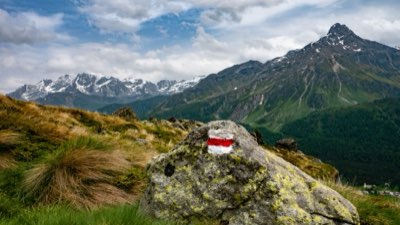
Trail Safety Protocol Always stick to marked trails. In the Alps, shortcuts can lead to dangerous terrain or getting lost. Respect local warnings, especially regarding closures due to rockfalls or snow.
Remember that you are a guest in a delicate ecosystem; practice "Leave No Trace" principles by carrying out all trash and staying on designated paths to protect alpine flora.
Comments 0