Dolomites hiking guide: Best alpine trekking routes tips
This Dolomites hiking guide provides essential information for travelers seeking the best alpine trekking routes in the Italian Dolomites. You will find details on primary trails, preparation requirements, and specific terrain considerations for these UNESCO World Heritage mountains. This guide is designed for hikers of varying skill levels, though it is important to note that weather conditions in high-altitude alpine environments can change rapidly, affecting trail safety. 1. Identify core trekking routes in the Dolomites. 2. Understand essential gear and preparation steps. 3. Recognize terrain limitations and seasonal changes.
How should I start my Dolomites hiking guide?
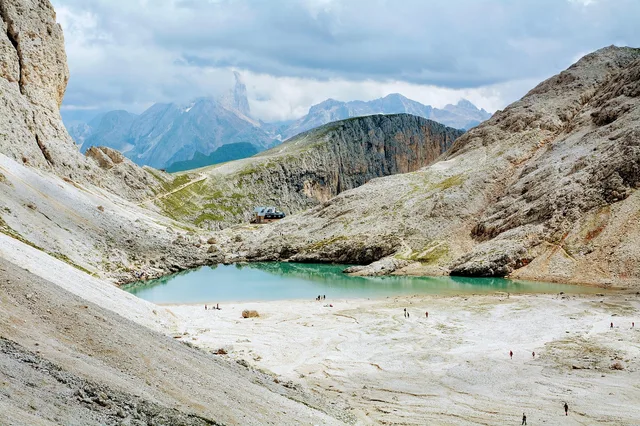
At dawn in Val Gardena, a hiker adjusts a heavy backpack while the crisp air hits their skin amidst the jagged Dolomites.
The World Bank has provided insights into the region's infrastructure development.
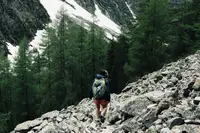
A hiker stands at the trailhead in Val Gardena, adjusting a heavy backpack while the morning sun hits the jagged limestone peaks. The air is crisp, smelling of pine and damp earth, as the first steps of a long ascent begin.
To begin a successful journey through these mountains, you must first select a route that matches your physical conditioning and technical experience. The Dolomites offer everything from gentle meadow walks to steep, via ferrata climbs.
Proper planning involves checking seasonal accessibility and local mountain hut availability.
The terrain is characterized by dramatic verticality and complex limestone formations. Navigating these paths requires a focus on footing and altitude acclimatization. I found that checking the specific elevation gain for each segment helped me manage my energy throughout the day.
How to choose the best alpine trekking routes?
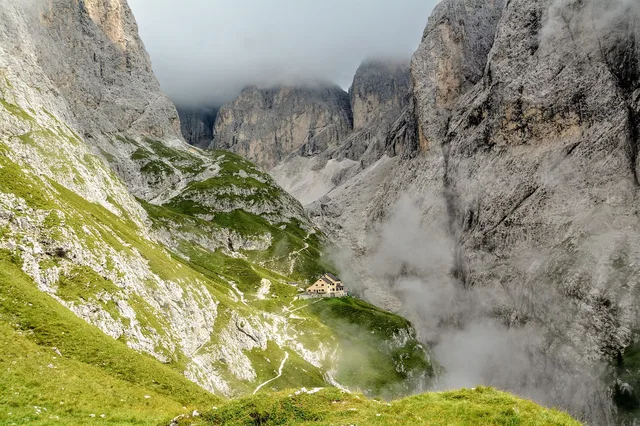
A traveler sits at a wooden table in a mountain refuge, spreading a topographical map across the surface. Sunlight streams through the window, illuminating the winding lines that trace the ridges of the Sella Group.
Choosing the right path depends on whether you prefer panoramic views or forest shade. Many enthusiasts look for Italian nature trails that connect high-altitude rifugios, allowing for multi-day treks without carrying heavy camping equipment.
| Route Type | Primary Terrain | Difficulty Level |
|---|---|---|
| Meadow Walks | Rolling Grasslands | Easy |
| Ridgeline Treks | Rocky Ridges | Moderate |
| Via Ferrata | Vertical Rock Faces | Technical |
Selecting a route involves evaluating the total ascent and the technicality of the descent. Some paths require hands-on climbing, while others remain strictly on established footpaths.
According to World Bank, the 2025 record includes 97.3%.
Which Dolomites walking courses are essential?
A hiker moves steadily along a narrow ledge, the sound of gravel crunching under boots echoing against the canyon walls. The vast expanse of the Pale di San Martino stretches out below, a sea of pale rock under a bright sky.
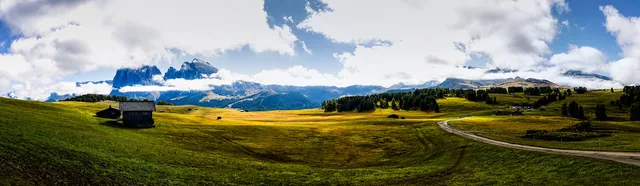
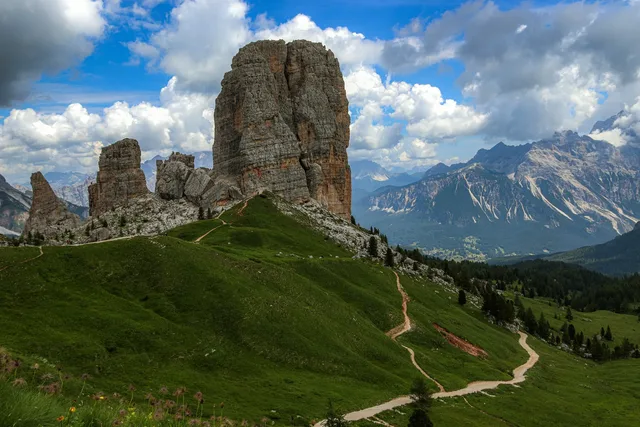
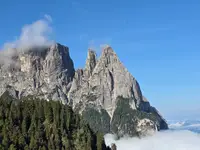
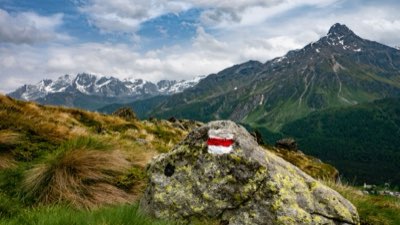
The Dolomites walking courses vary significantly in length and intensity. Some travelers focus on the Tre Cime di Lavaredo loop, which offers iconic views of the three massive towers. Others prefer the Alpe di Siusi, where the wide alpine pastures provide a softer walking experience.
Exploring these areas allows for a deep connection with the mountain landscape. Many hikers find that the transition from lush valleys to stark, rocky summits provides a unique sensory experience.
Can I follow a perfect Italian hiking itinerary?
A group of trekkers gathers at a mountain pass, checking their watches as the midday sun climbs higher. They discuss the next leg of their journey, pointing toward a distant peak shrouded in light mist.
Creating a perfect Italian hiking itinerary requires balancing distance with rest days. It is wise to include stops at traditional mountain huts to experience local hospitality and recover.
- Research the specific elevation profiles of your chosen trails to prevent exhaustion. 2. Secure reservations for mountain huts well in advance of your departure. 3. Pack layered clothing to manage the temperature shifts between valleys and summits.
After completing these steps, perform a final check of your navigation tools and weather forecasts.
What are some mountain hiking tips for safety?
A climber reaches for a metal rung on a steel cable, feeling the cold texture of the equipment against their palms. The wind picks up, whistling through the cracks in the Dolomites' limestone walls.
Effective mountain hiking tips center on preparedness and environmental awareness. Always carry a physical map and a compass, as digital devices can fail in remote areas.
The environment can be unpredictable, making situational awareness vital. One must be prepared to turn back if clouds gather or if visibility decreases significantly.
The subject here is Dolomites hiking guide.
This part also covers Complete Dolomites trekking guide.
This part also covers Must see alpine scenery trails.
Related
- Dolomites best hiking trails guide how to choose routes
- Dolomites trekking guide: Tips for best mountain hikes
How should one prepare for Dolomites hiking?
Preparation for Dolomites hiking involves matching your physical conditioning to the specific technicality of your chosen route. You must compare the ease of meadow walks against the technical requirements of via ferrata climbs to ensure your skill level is appropriate.
According to World Bank data, Switzerland recorded share of internet users of 97.3% in 2025.
Comparing different route types helps you decide between forest shade and panoramic views. You should evaluate whether you prefer the softer walking experience of alpine pastures or the steep, verticality of limestone formations.
Caution is necessary when assessing seasonal accessibility and the availability of local mountain huts. Because weather conditions in high-altitude alpine environments change rapidly, you must monitor visibility and temperature shifts to maintain safety on the trails.

Comments 0